Mikael's cave
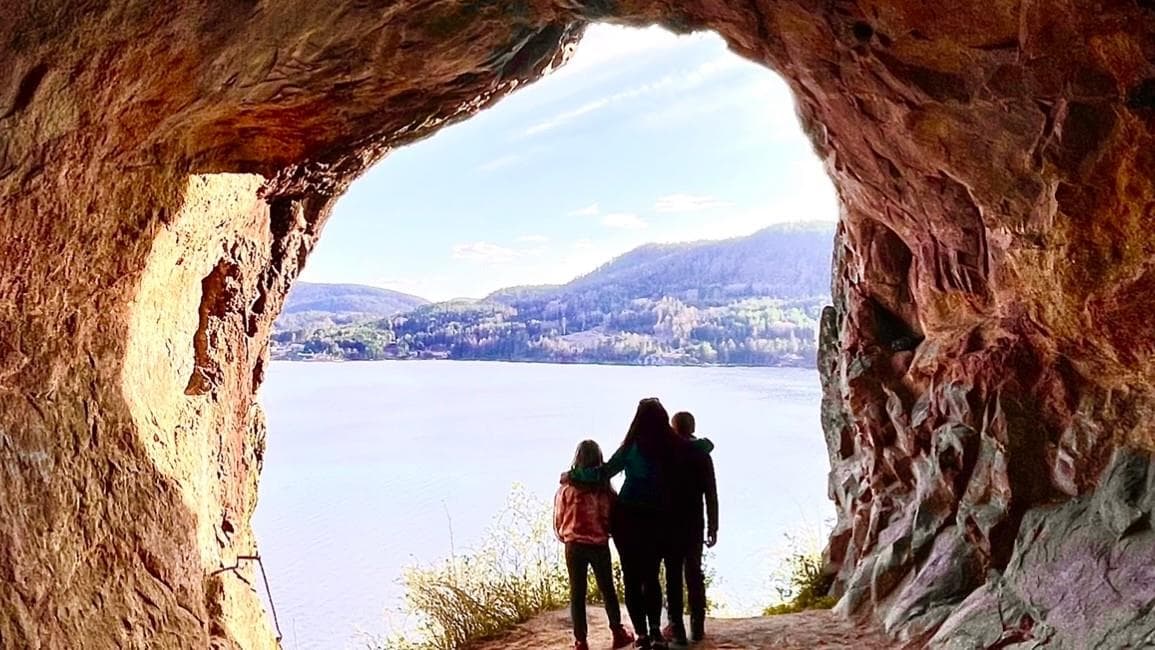
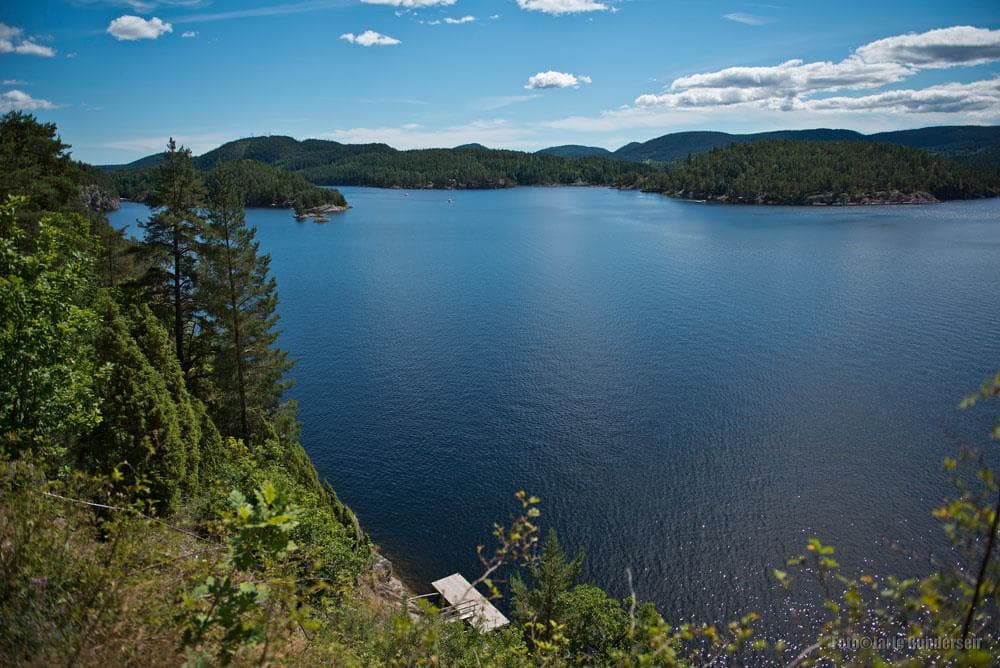
Mikaelshulen, or St. Mikael's Cave, is a mountain cave in the steep cliff face on the eastern side of Norsjø in Skien.
About
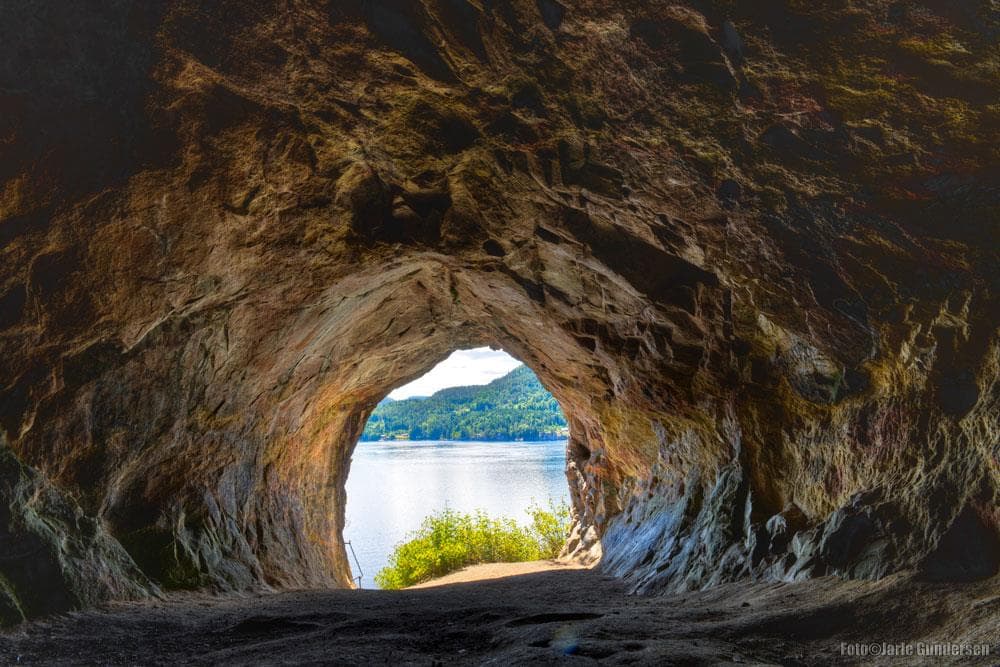
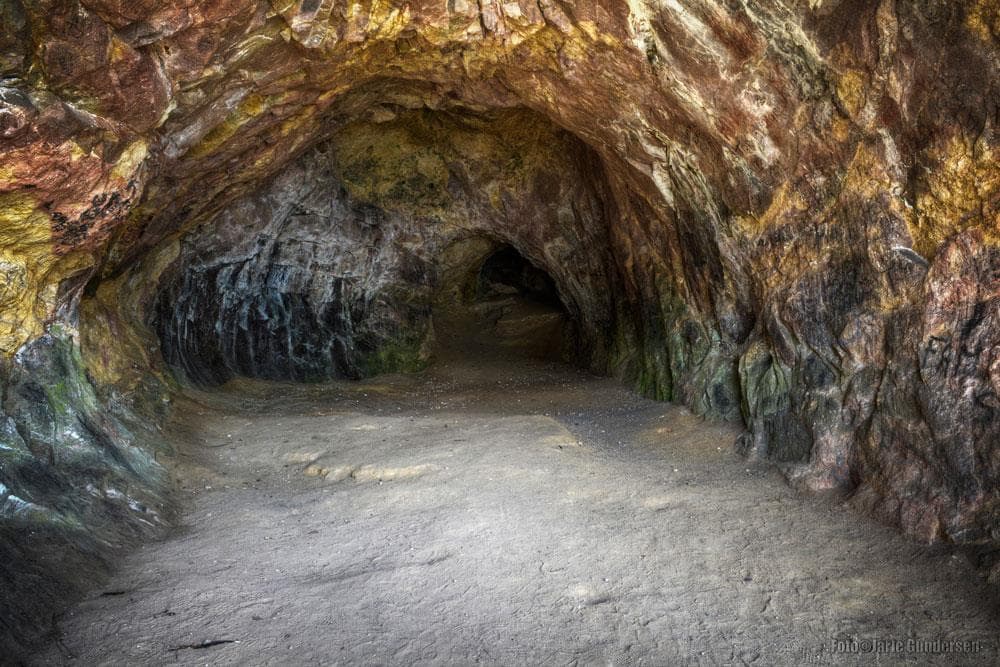
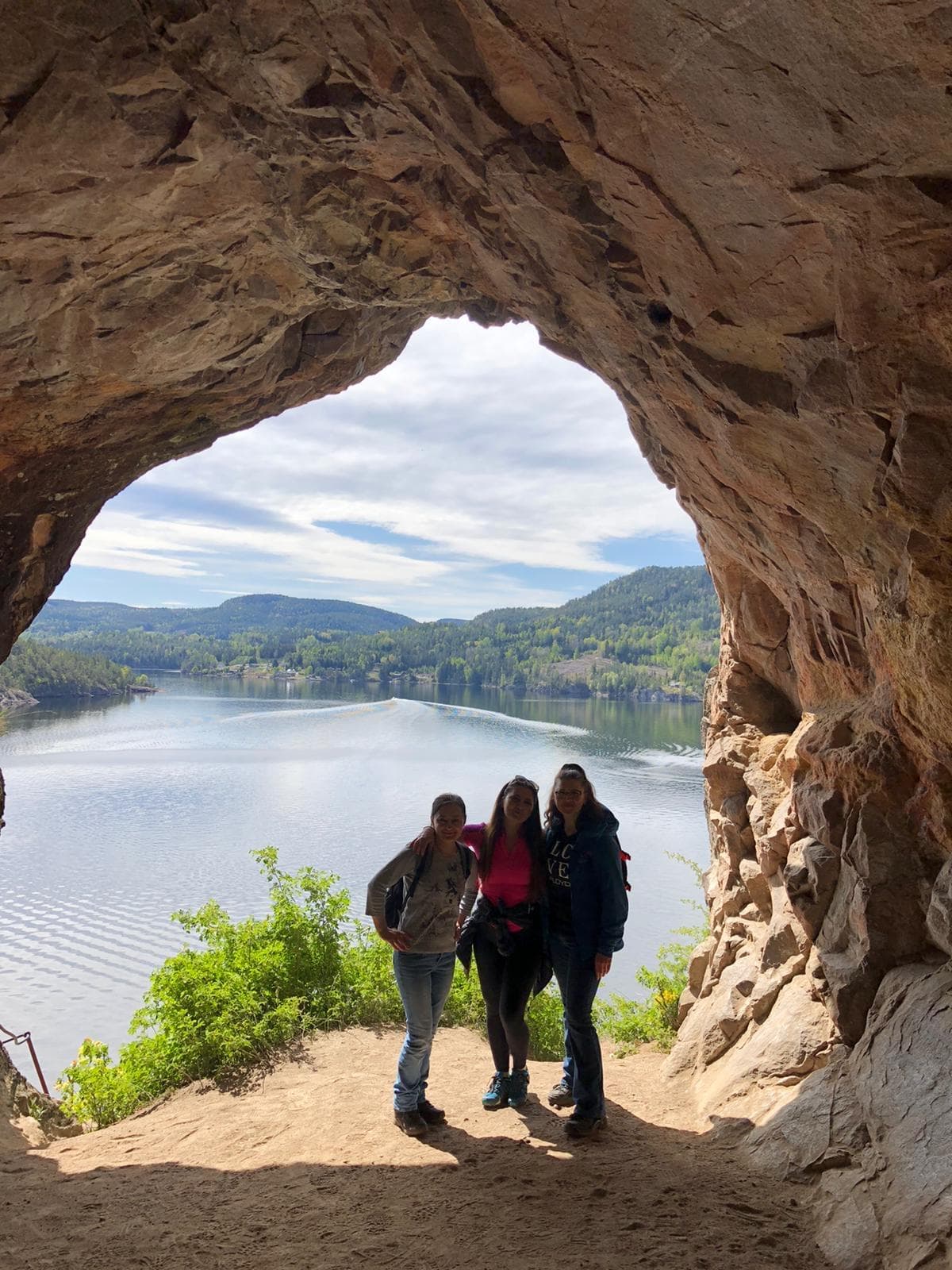
The Michael’s Cave is a unique and historic grotto located in a steep cliff face, approximately 30 meters above the lake Norsjø in Skien, Telemark, Norway. This impressive natural formation, which once served as a Catholic church and pilgrimage site, is a popular and exciting hiking destination offering fantastic views over Norsjø. The cave is clearly visible from the water and combines nature, history, and a challenging outdoor experience.
Location and Description of Mikaelshulen
Location: Cliff face above Norsjø, Skien (near Skotfoss center).
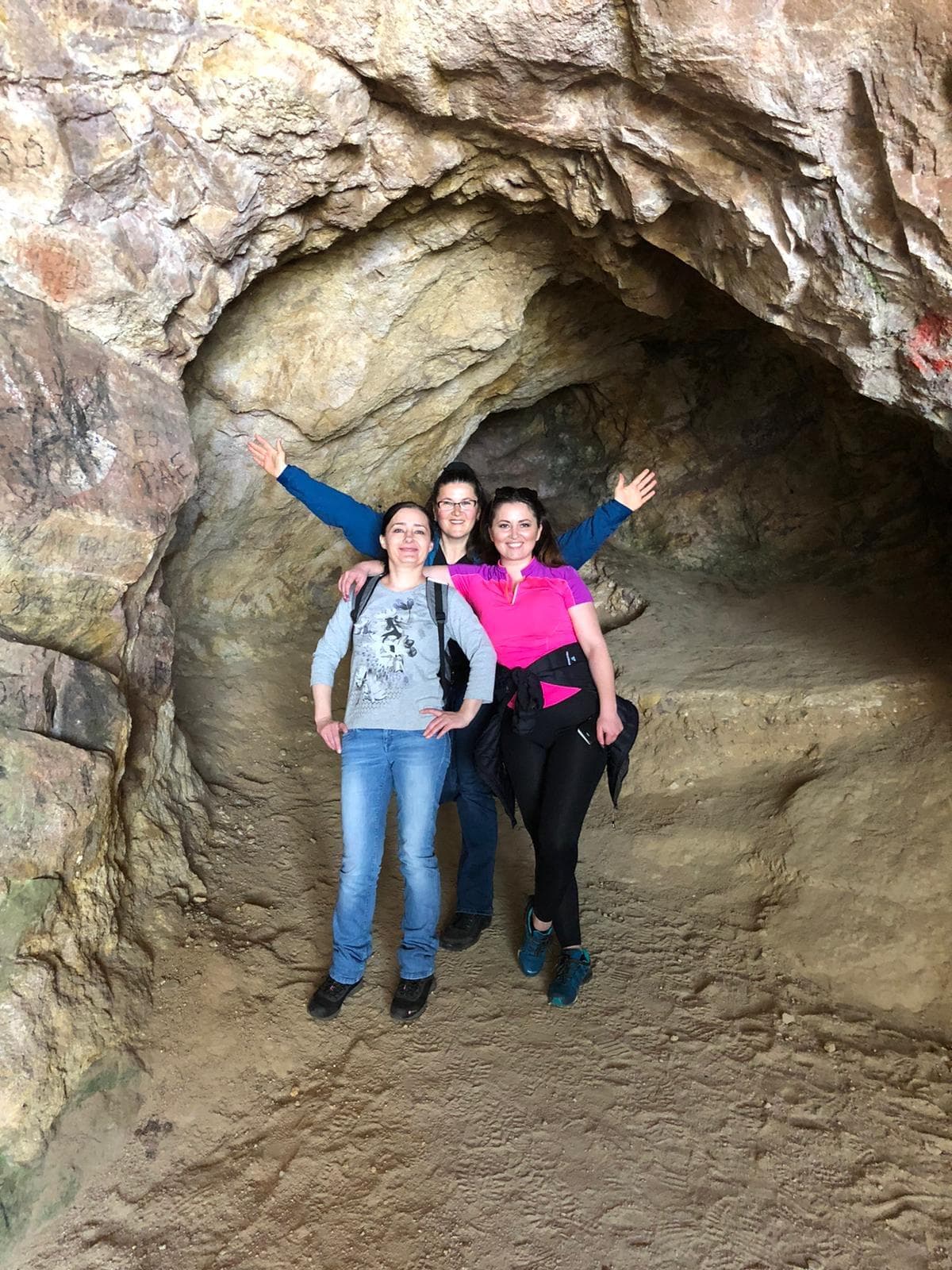
Size: Semicircular entrance 4–5 meters wide and equally high. The cave extends 20 meters into the mountain.
Accessibility: Accessible by boat and on foot, but the approach is steep.
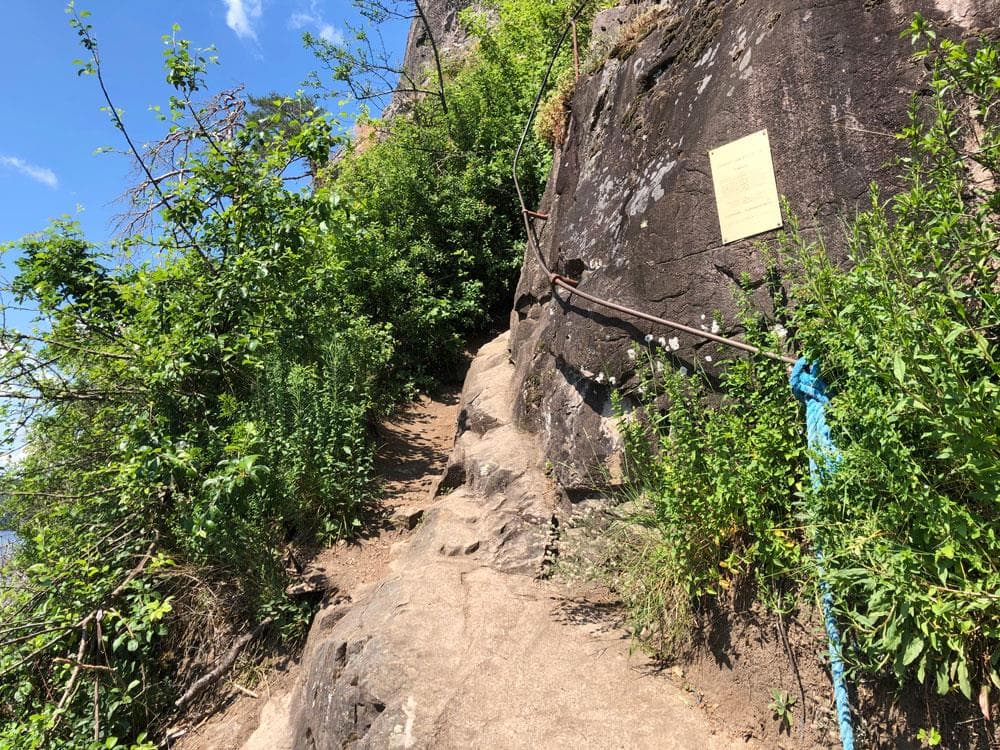
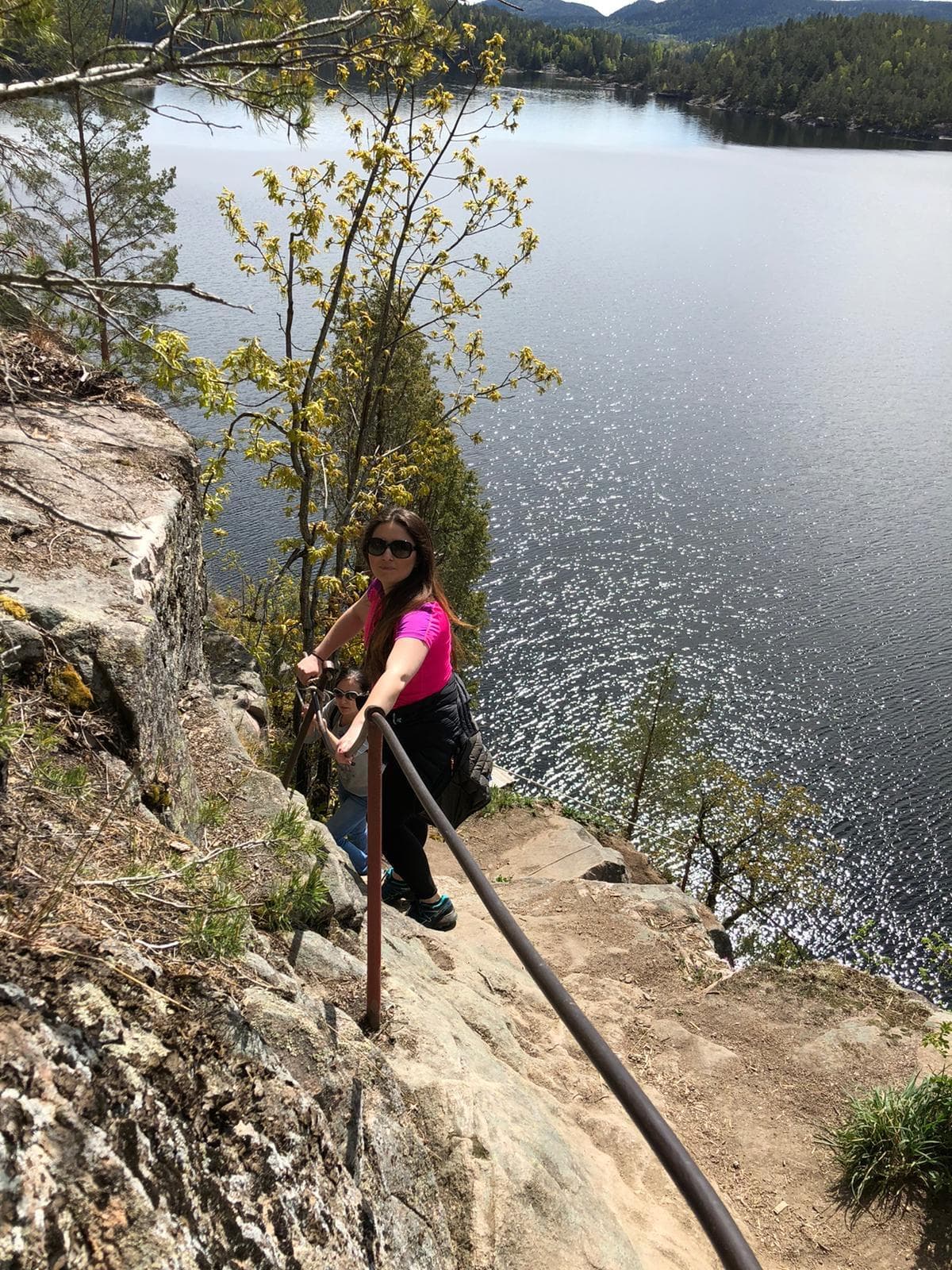
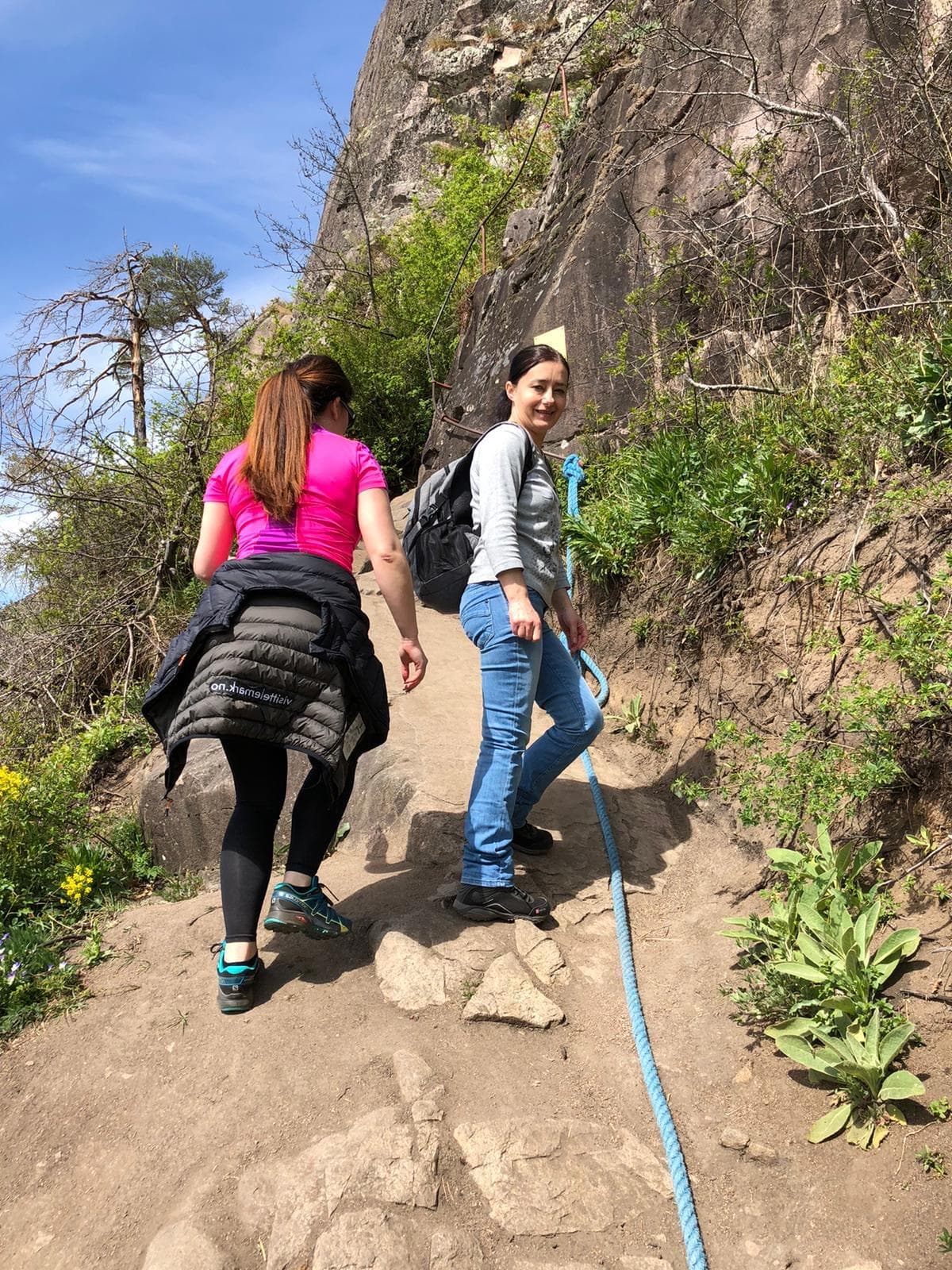
Safety: The trail has recently been secured against rockslides and equipped with steps, fencing, and rope railings.
Access to Mikaelshulen
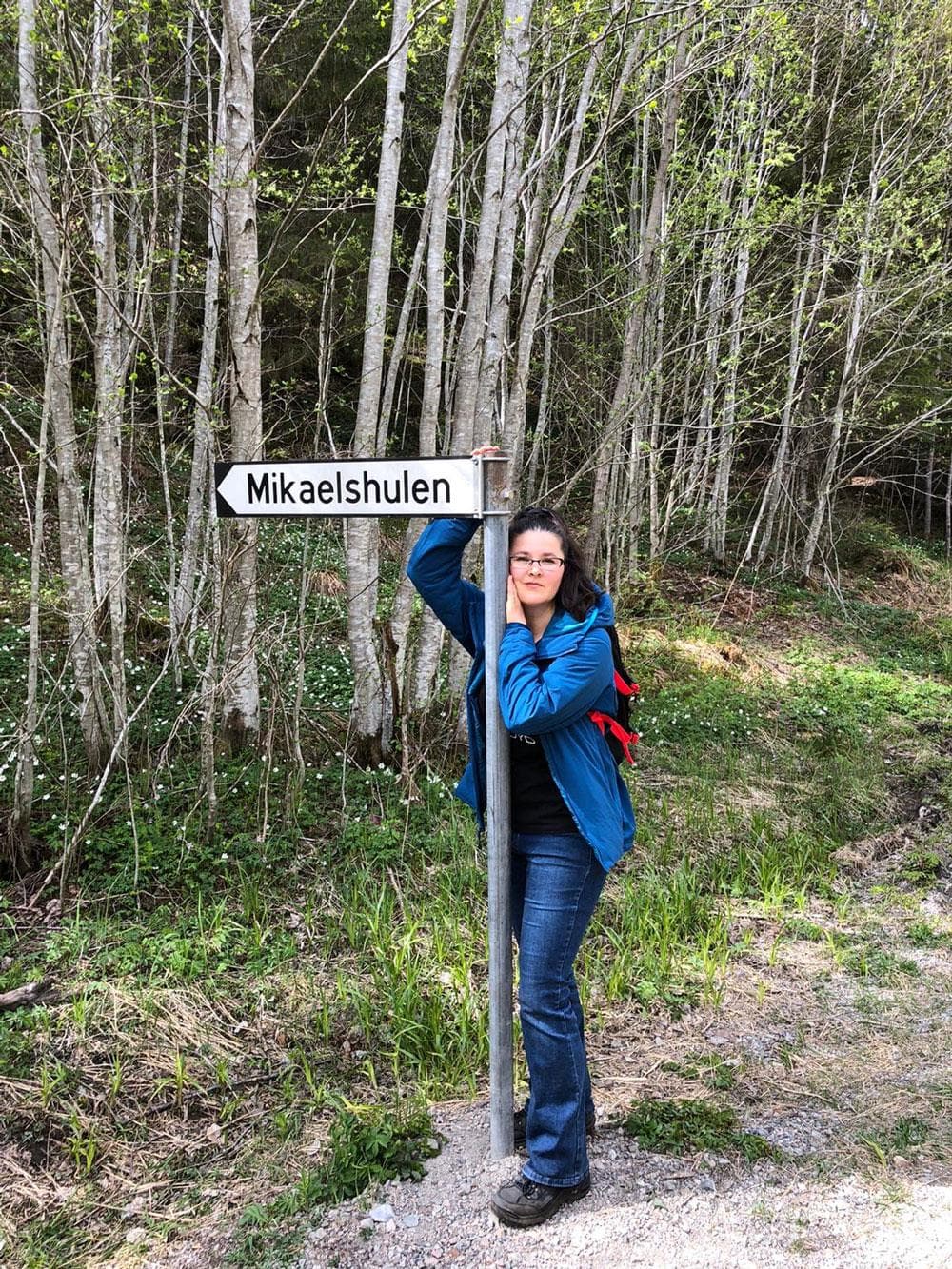
Despite the steep terrain, Mikaelshulen is a well-marked destination.
By Car: Follow signs to Pollen from Skotfoss center.
Parking: Parking is available on Omdalsvegen.
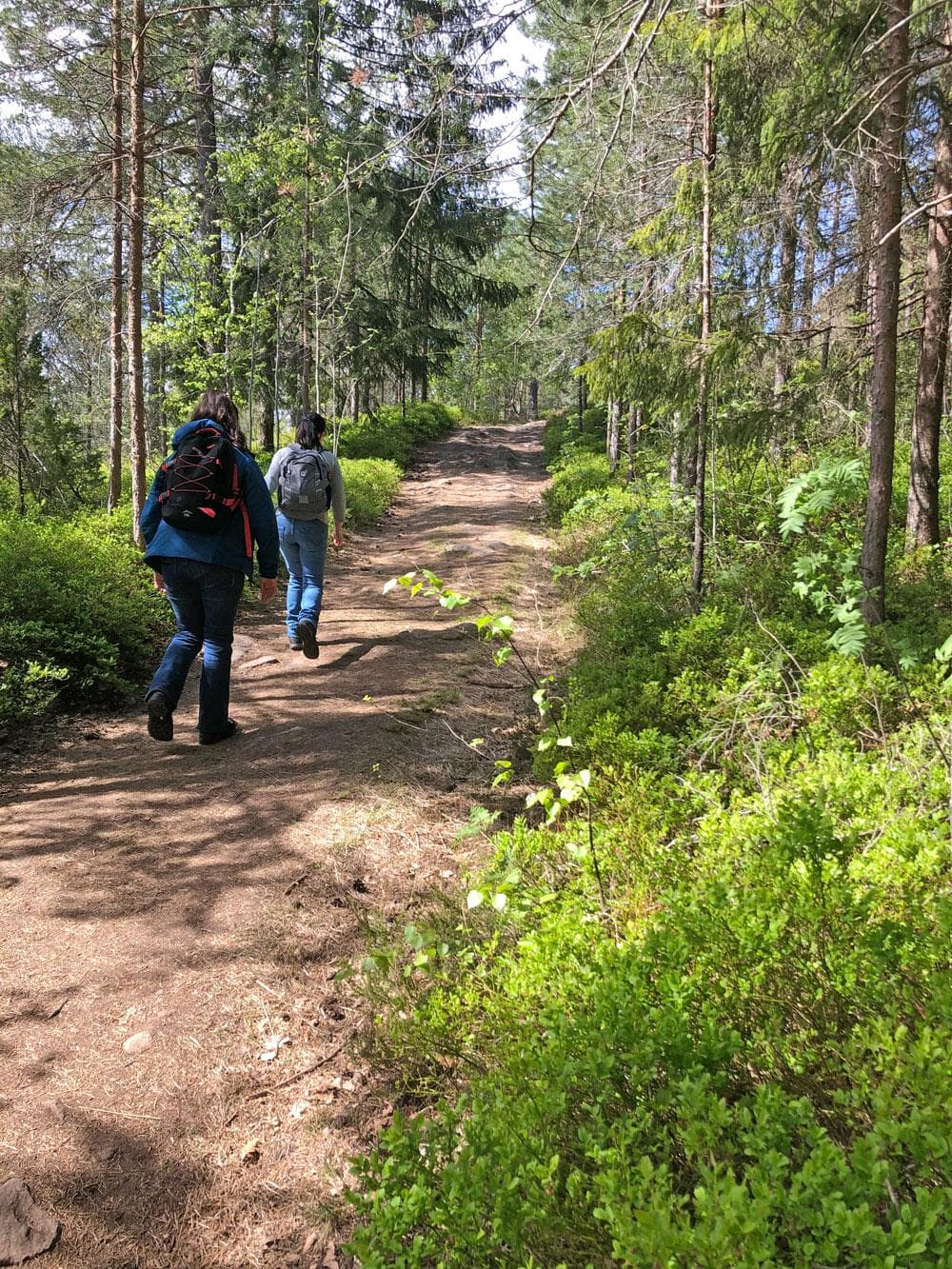
Hiking Trail: Follow the blue-marked trail from the parking lot. The final meters leading up to the cave are in steep terrain.
Note on Weather: The trail can be slippery when wet, especially on the steep section.
Access from Norsjø by Boat
For those arriving by water, it is possible to moor directly beneath Mikaelshulen. A steep path with steps and railings then leads up to the cave opening.
History: Michael's Church and Pilgrimage Site
The Michael’s Cave is an important cultural heritage site with a fascinating history dating back to the Catholic era.
Consecration: The cave was consecrated to Archangel Michael during the Catholic period (before 1537) and functioned as a church with a vestibule, nave, choir, and altar.
Symbolism: Michael's churches were often located in caves or on cliffs, as Archangel Michael was said to fight Satan, who often took the form of a serpent or dragon, there.
Pilgrimage: It was an important pilgrimage destination.
After the Reformation: Following the Reformation in 1537, the cave served as a last refuge for Catholics until 1843.
Templum Mirabile: In 1643, the cave was referred to in Latin as "Templum Mirabile" – the wondrous temple.
Father Sylvester: Allegedly the last monk in the area who lived and died here. He was buried behind the church's back wall.
Burial Site: It is assumed that there was a burial site (cemetery) on top of the cliff, essentially a church with a cemetery on the roof.
Responsible Travel and Usage
We encourage all visitors to practice responsible travel to preserve the unique natural and cultural environment.
- Always follow marked trails to protect the ecosystem.
- Take all your trash with you.
- Respect local rules and wildlife.
Religious Events: For the use of the cave for religious events, the landowner must be contacted (check with Skien Municipality).
Contact
info@visitgrenland.no
Location
Practical information
- Sites worth seeing
- Scenic attractions
- Natural sights
Nearby events





"En Showgirls bekjennelse" med Guri Schanke – 12. november på Quality Hotel™ Skjærgården
Stathelleveien 35, 3970 Langesund


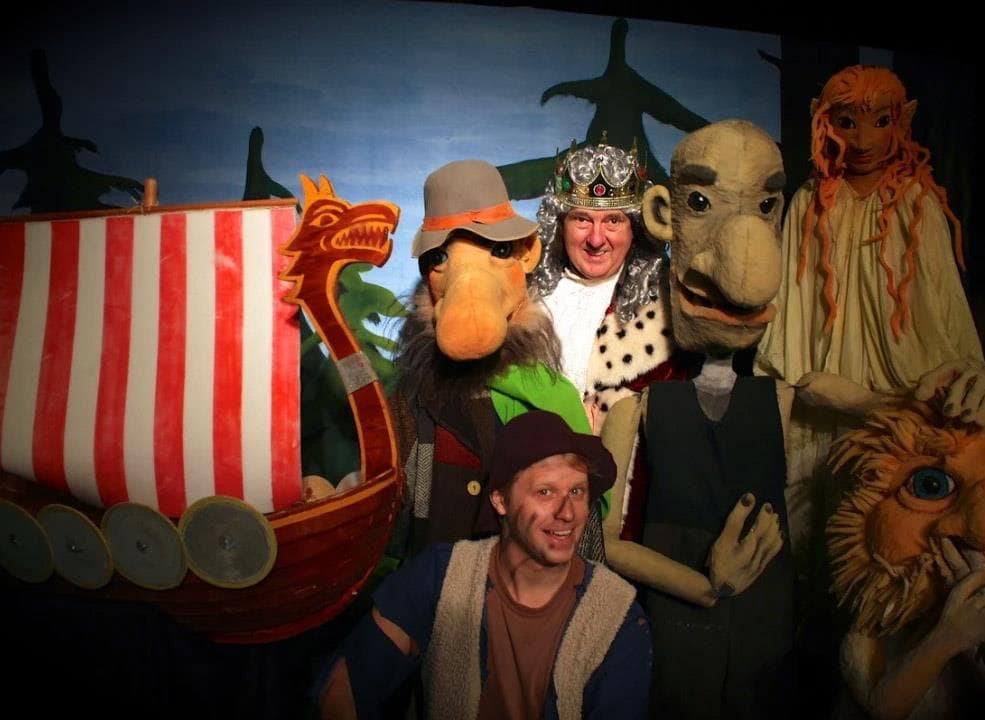



Kunnskap på storskjerm: Da imperiet falt - en historisk reise gjennom Østerrike
Krabberødstrand 14, 3960 Stathelle

Barnas Jul med Erik & Kalle - 29.desember på Quality Hotel™ Skjærgården
Stathelleveien 35, 3970 Langesund

Related
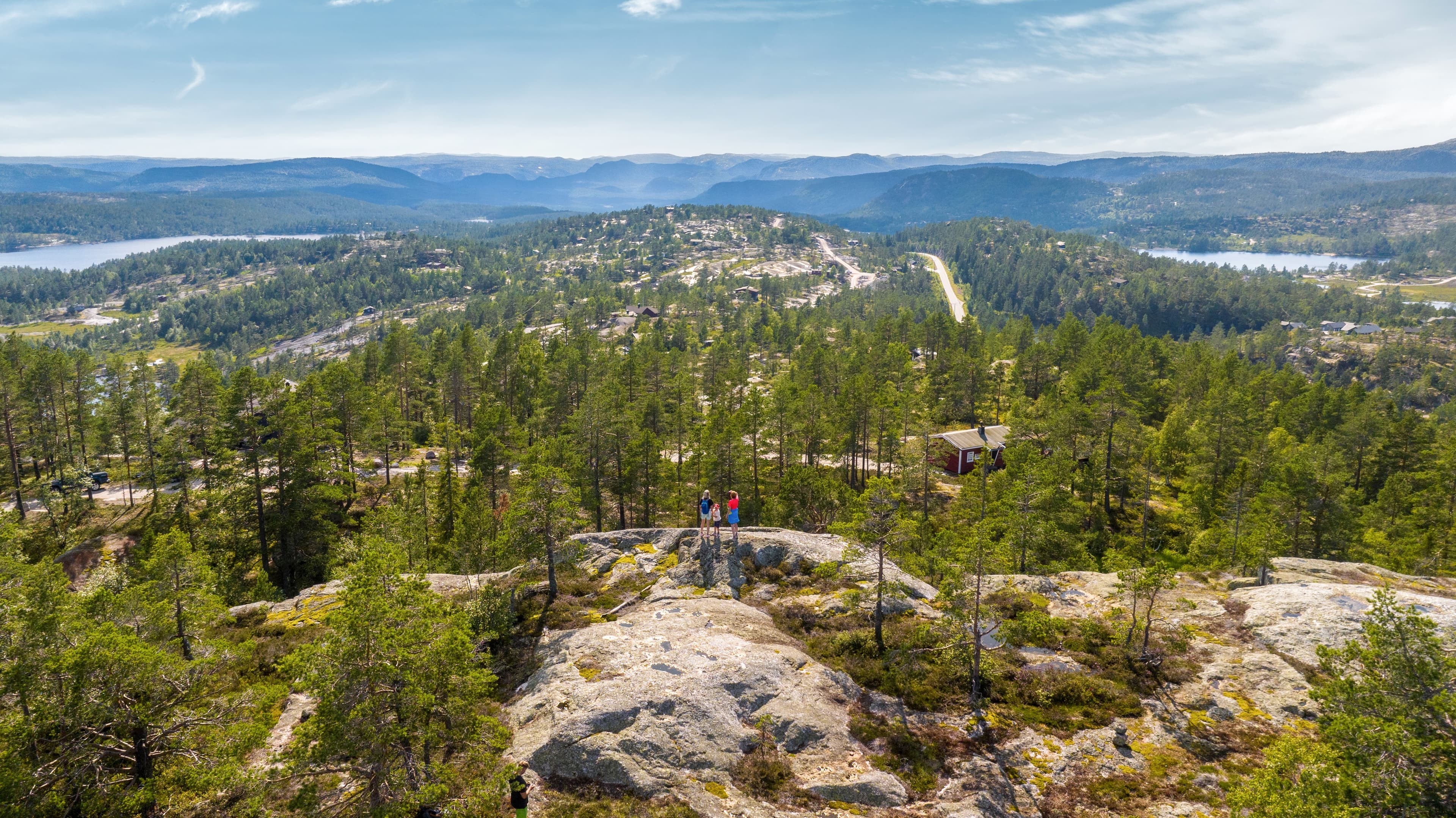
Guided hike with the landowner at Gautefallheia Sverre Tveit
Felehovet Sør 1, 3855 Treungen
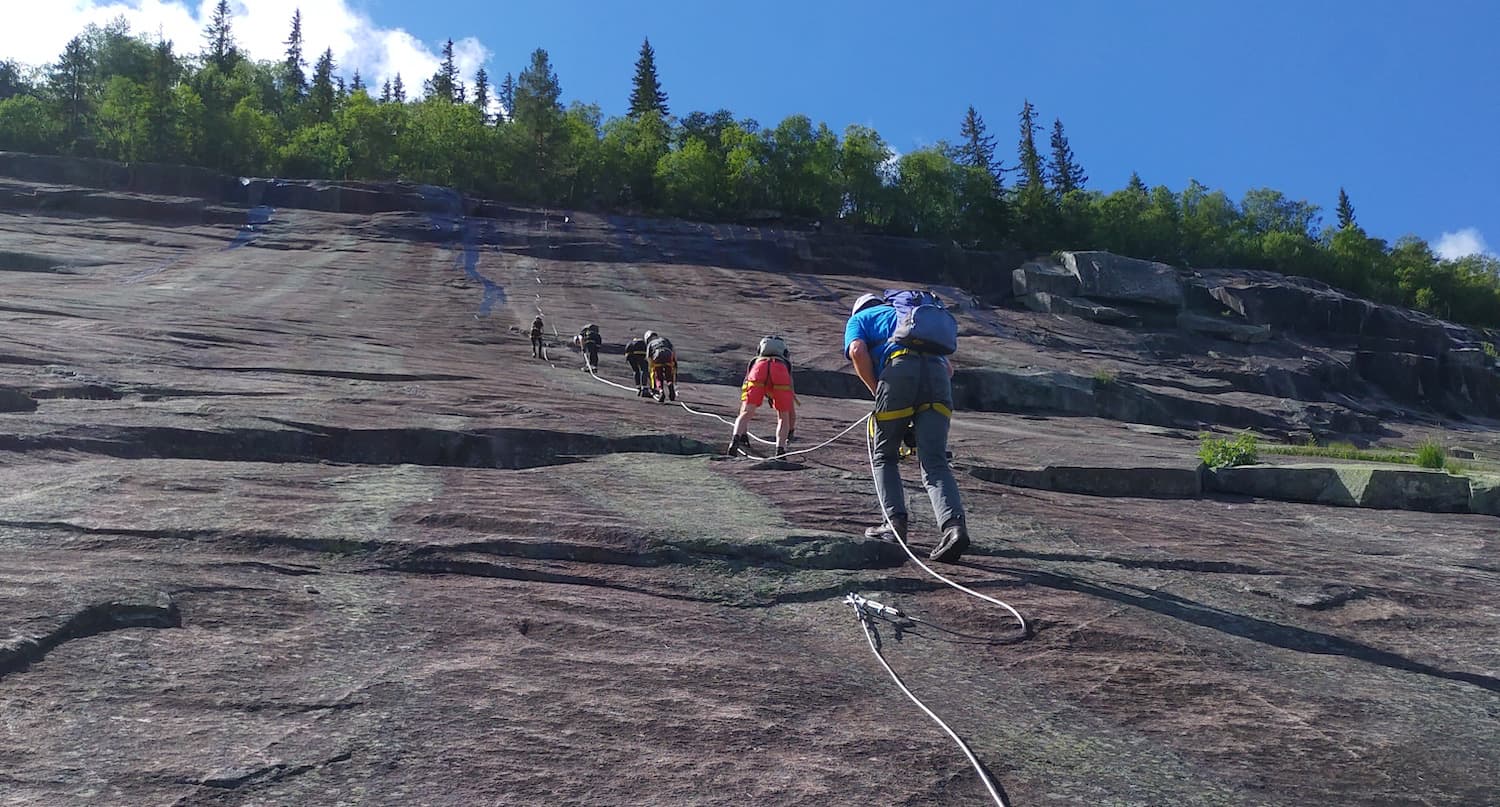
Via Ferrata in Fyresdal
Telemark Camping, Fyresdal, Norge
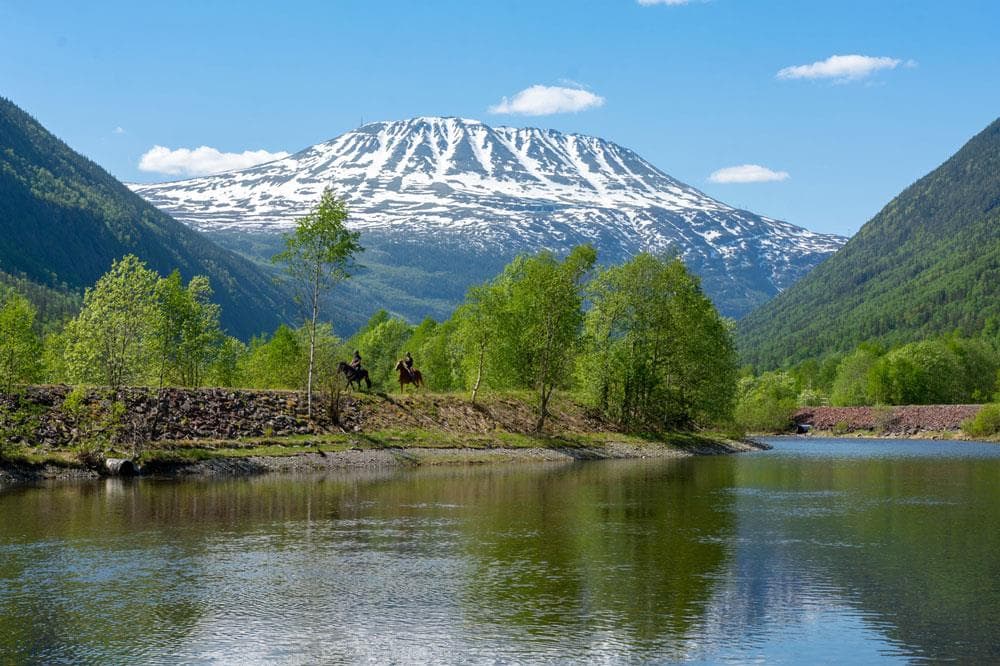
Gaustatoppen
Stavsro, 3660 Rjukan
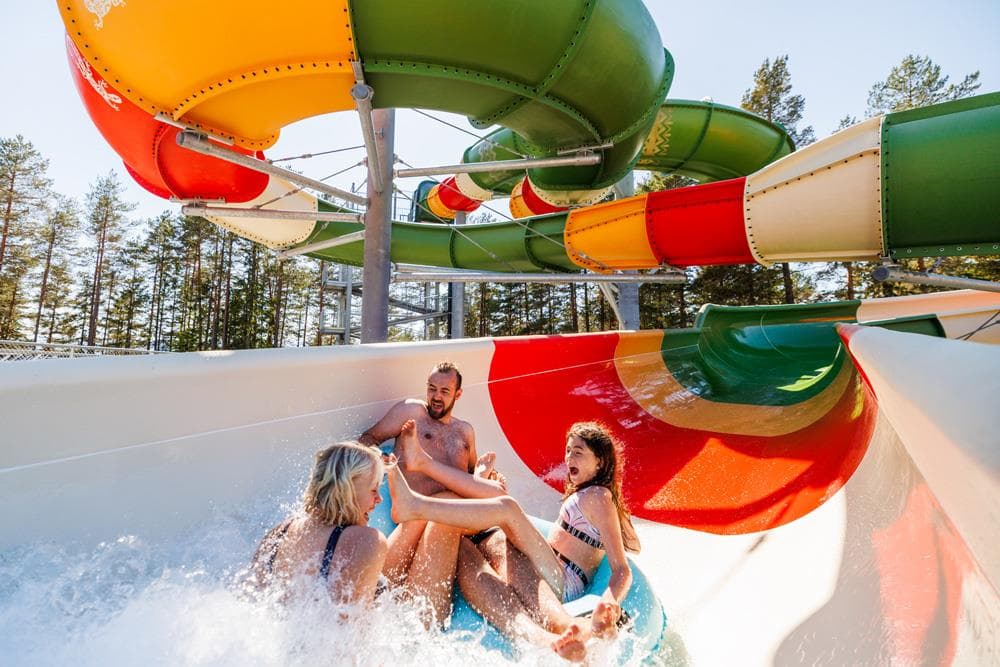
Bø Sommarland Waterpark
Steintjønnvegen 2, 3800 Bø i Telemark
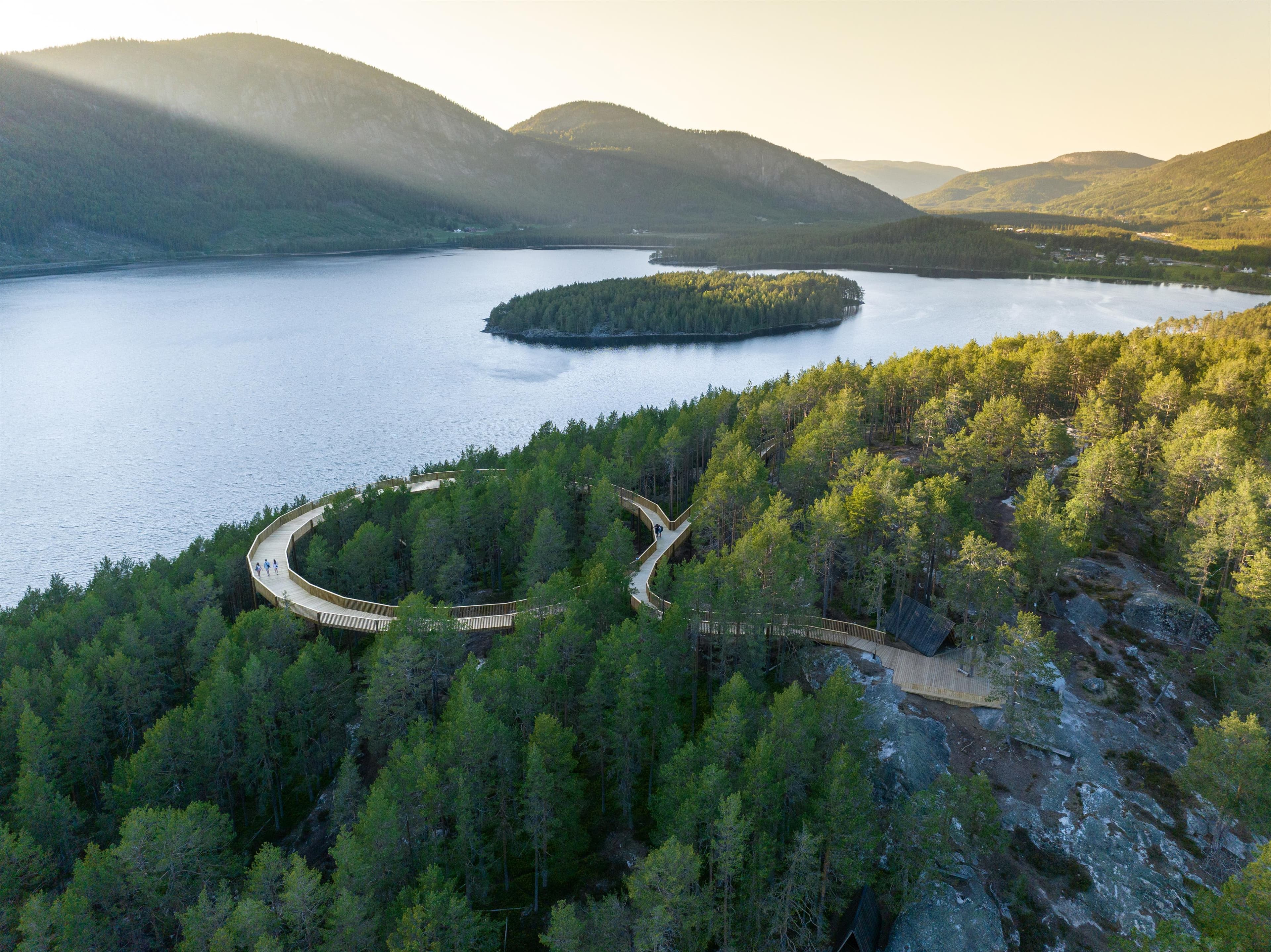
Hamaren
3870 Fyresdal
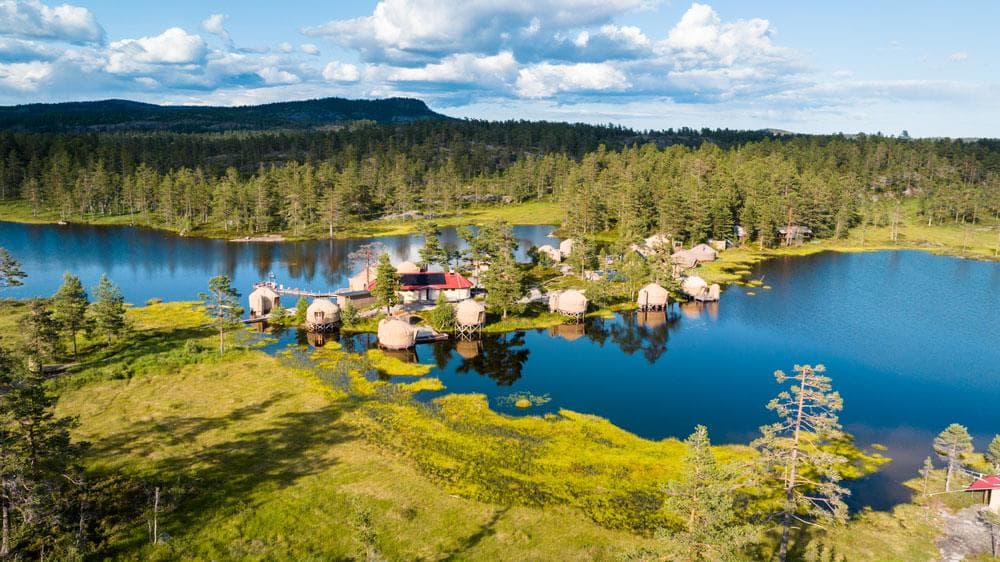
Norrøna Canvas Telemark
Heimdal, 3855 Treungen
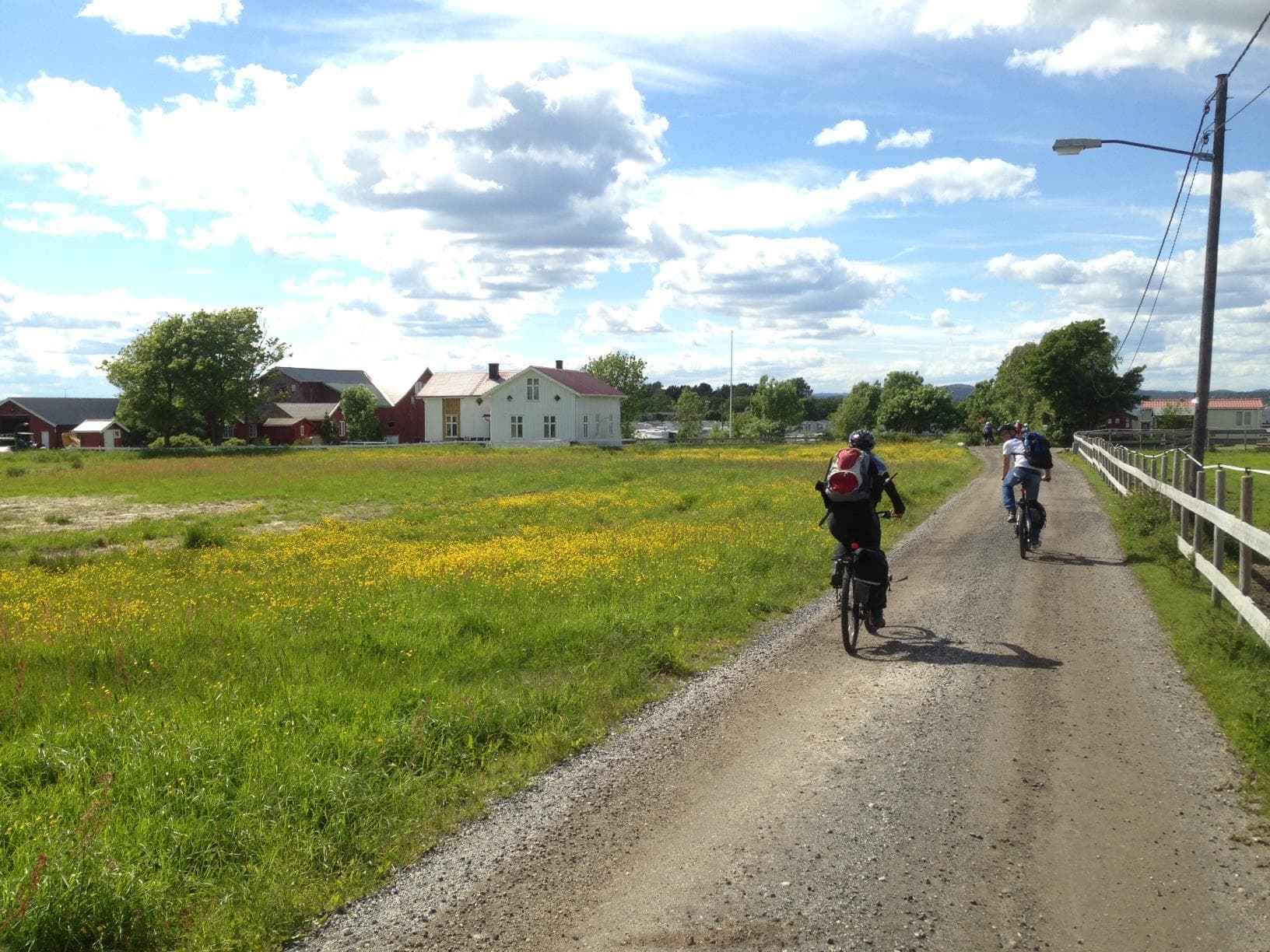
Island hopping with bicycle
3770 Kragerø
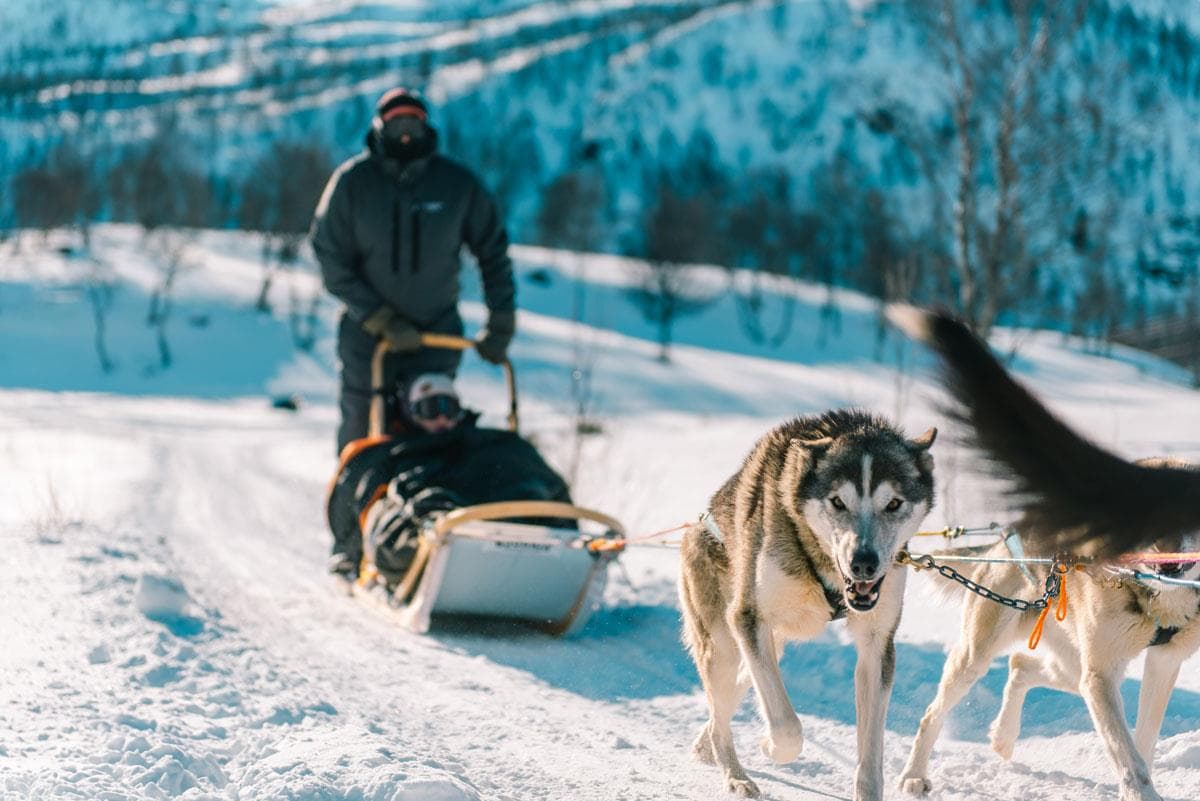
Haukeli Husky
Arabygdvegen 800, 3864 Rauland
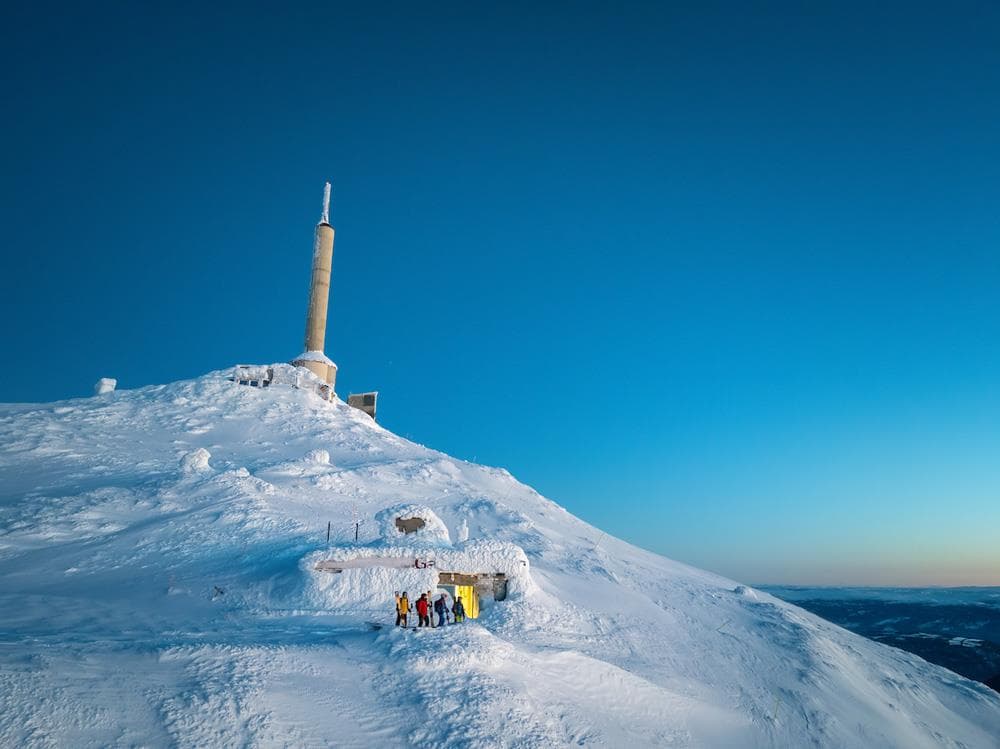
Off piste from Gaustatoppen
Gaustatoppen, 3660 Rjukan
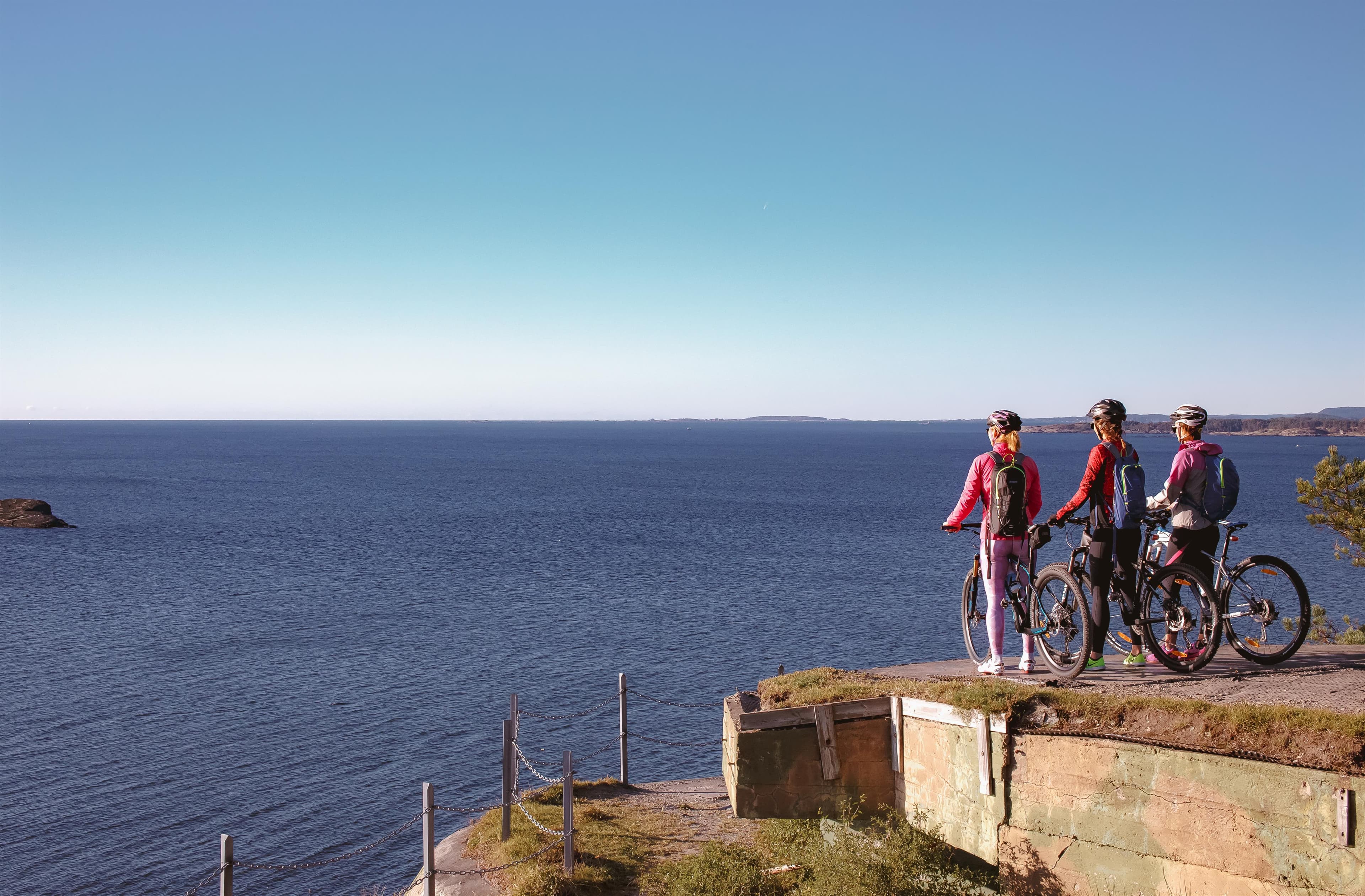
Skjærgårdsruta - The archipelago route
Stathellevn. 35, 3970 Langesund
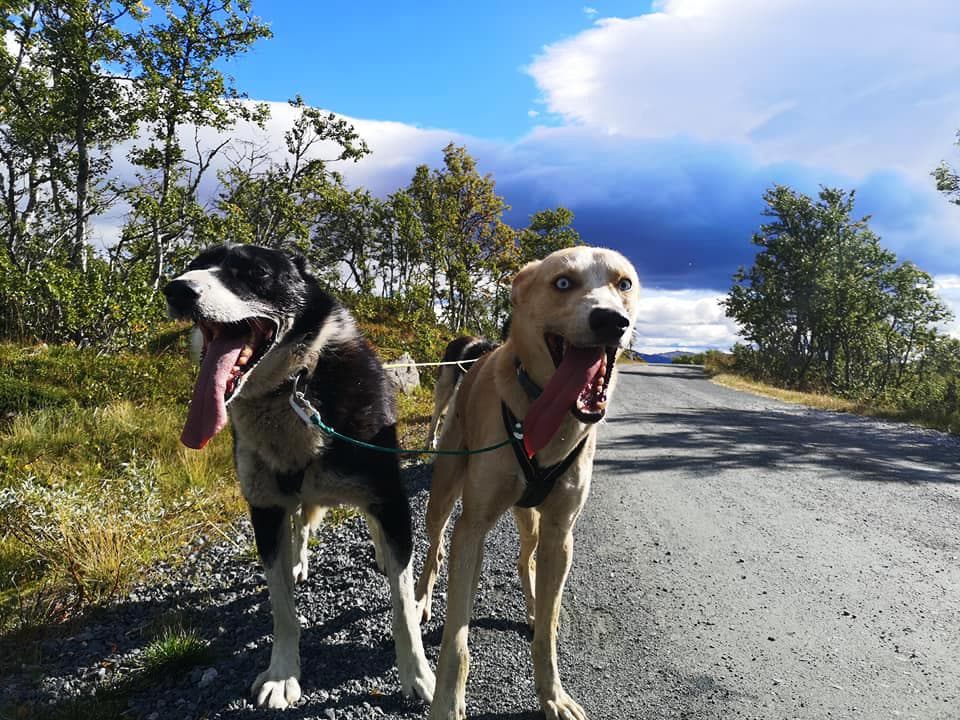
Telemark Husky Tour
3864 Rauland
Mjonøy - Smorklepp Art Museum - Sorensen and Kihle
Mjonøy, 3890 Vinje
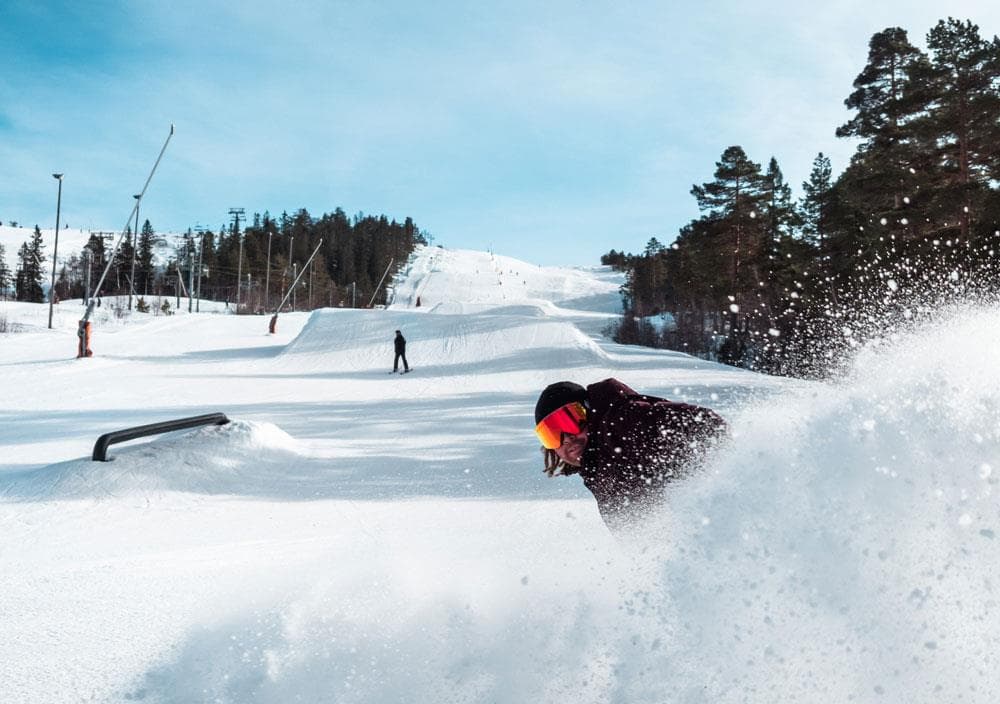
Gautefall Ski Resort
Gautefallheia, 3750 Drangedal
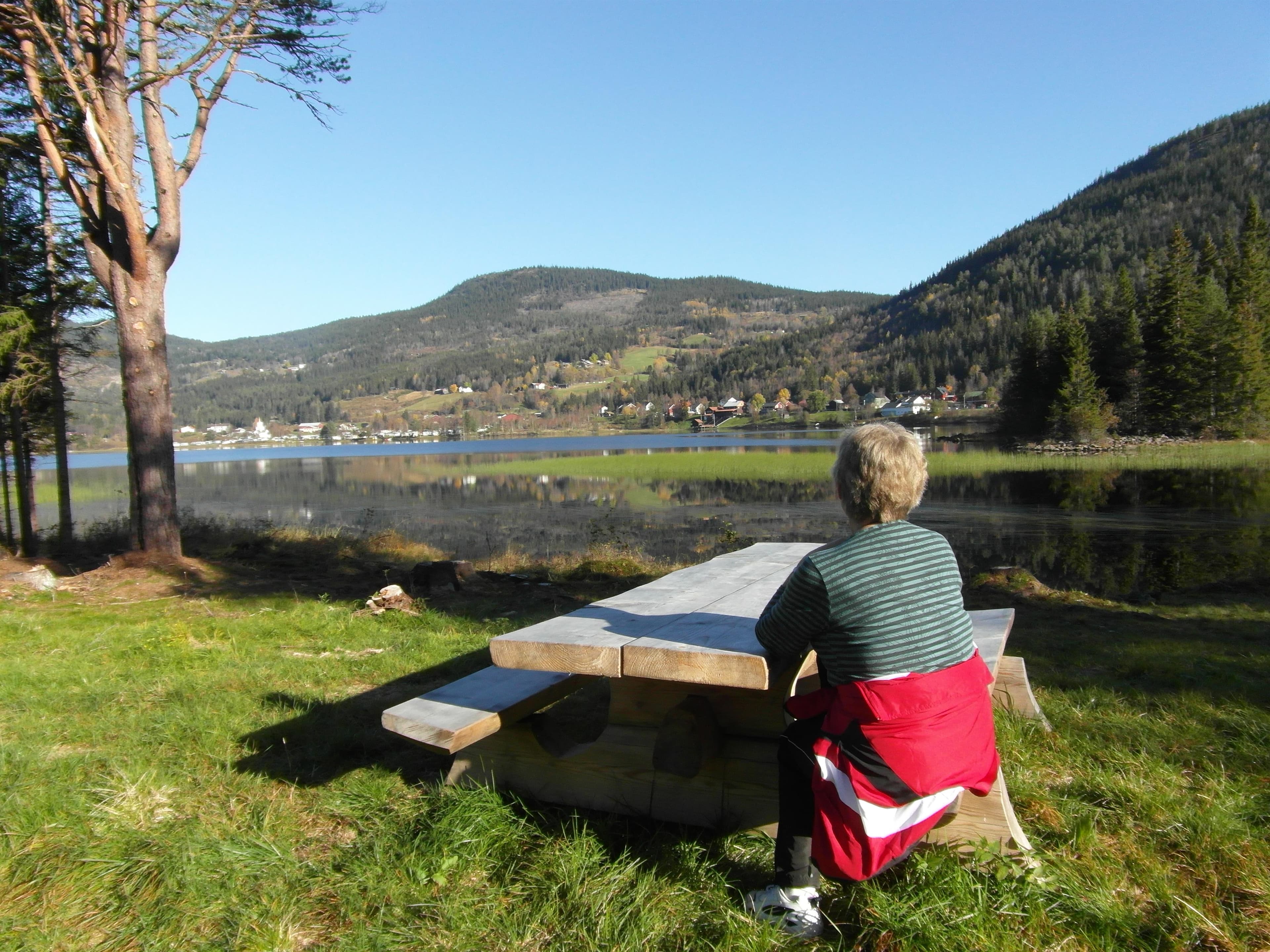
Hjartdal - Bjårvatn
Fossehalli, ungdomshuset i Tuddal, 3697 Tuddal
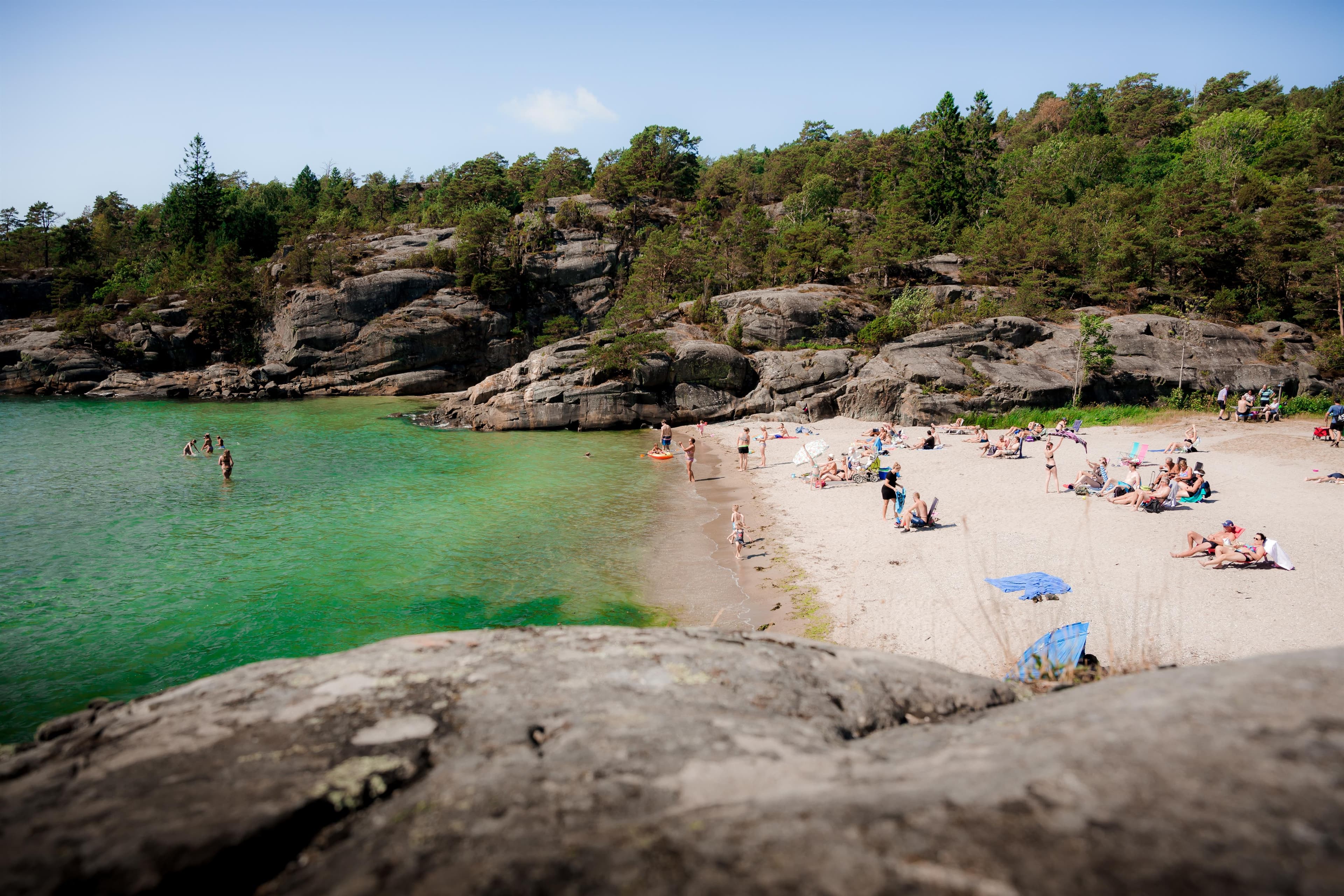
Hydrostranda - Bamble
3960 Stathelle
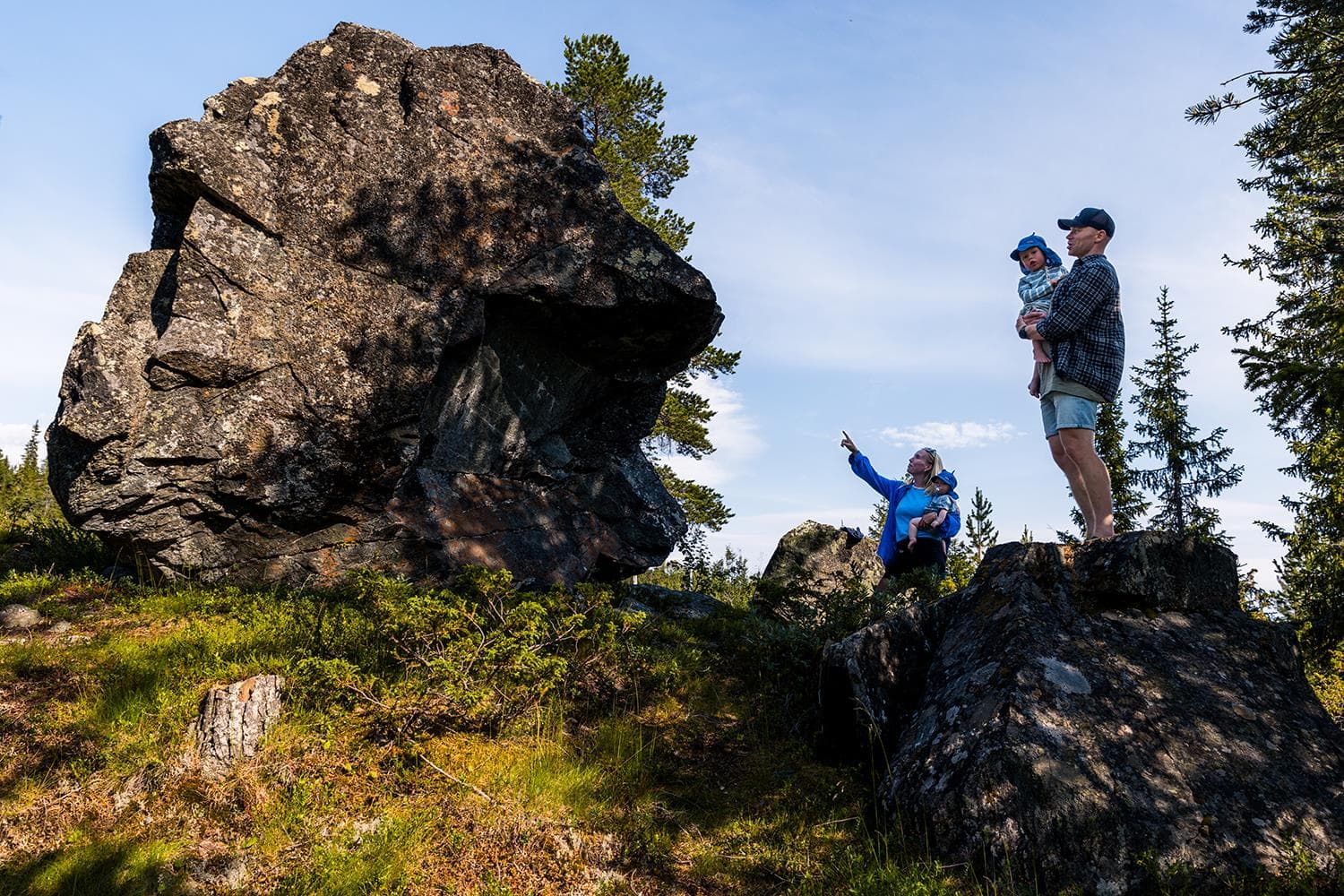
Kjerringstein trail
Hotellvegen 100, 3697 Tuddal
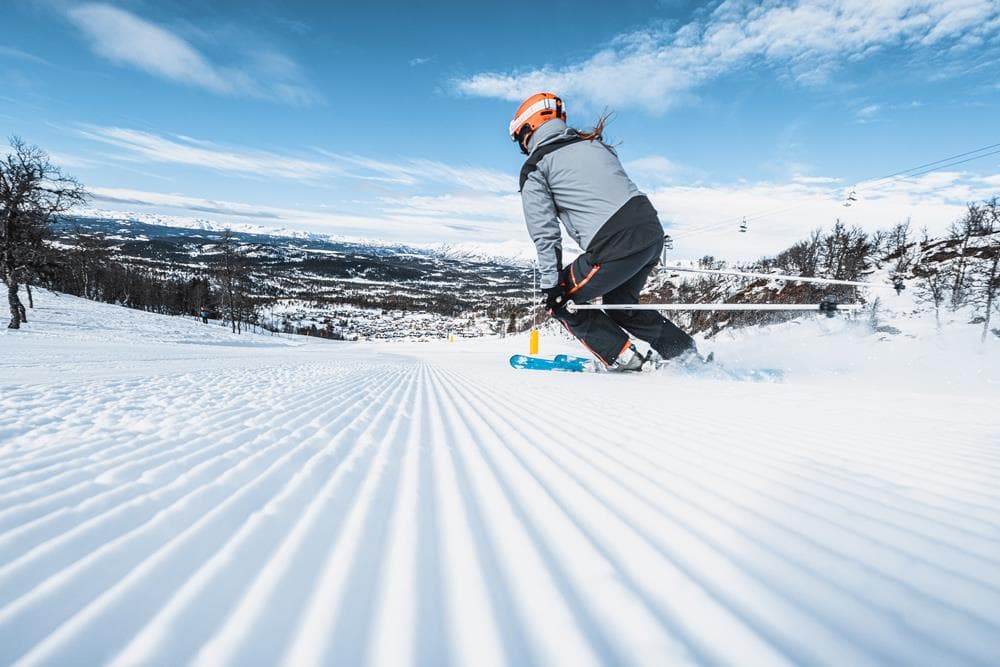
Rauland Ski Resort
3864 Rauland
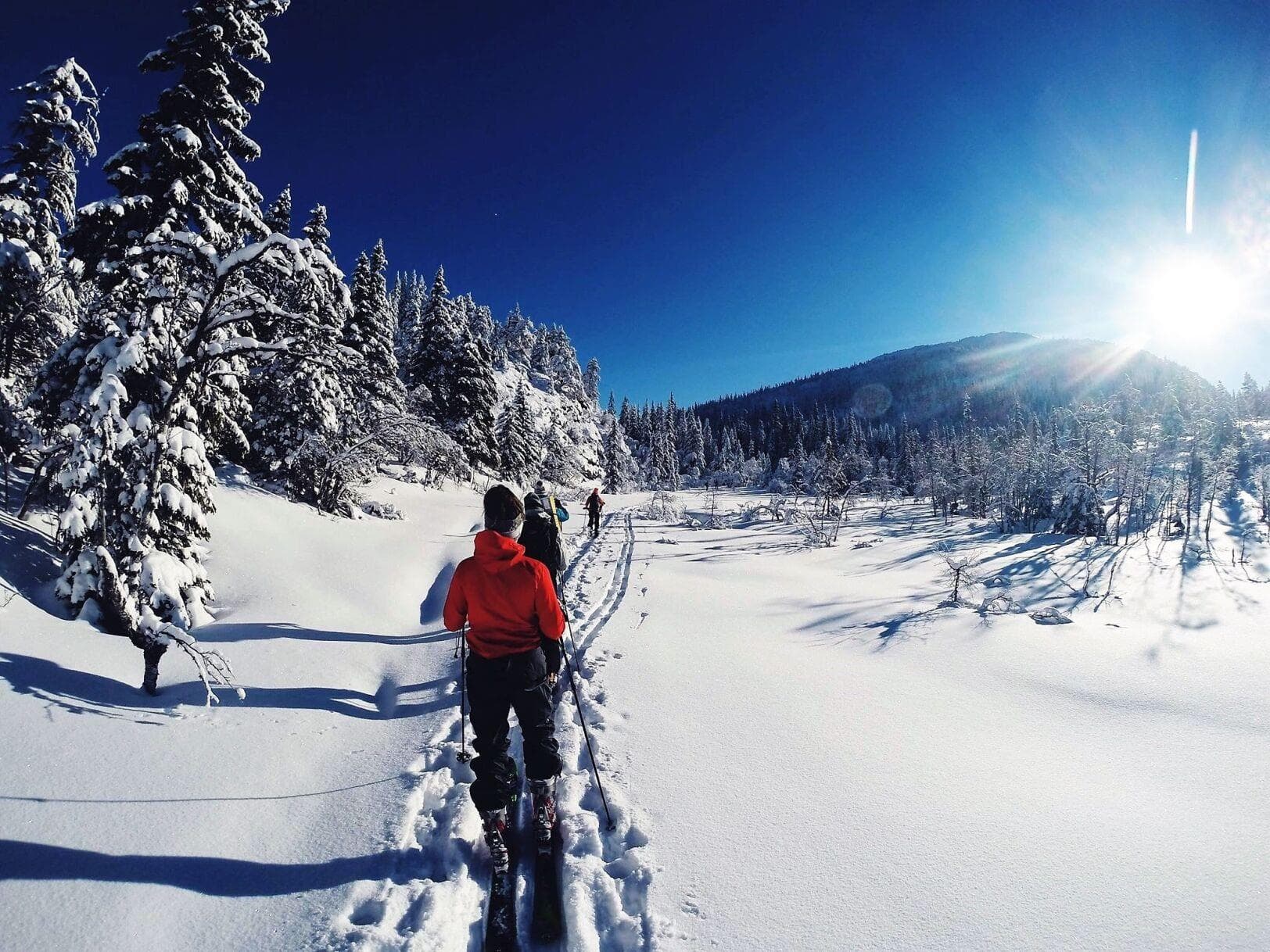
Morgedal Activ
Bygglandvegen 39, 3848 Morgedal
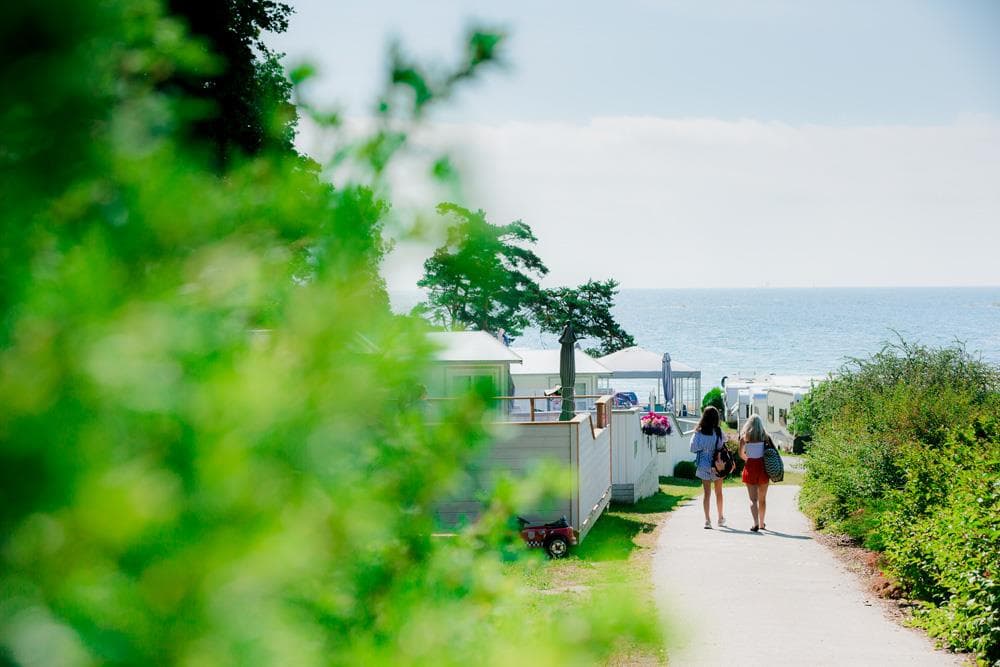
Nearby activities
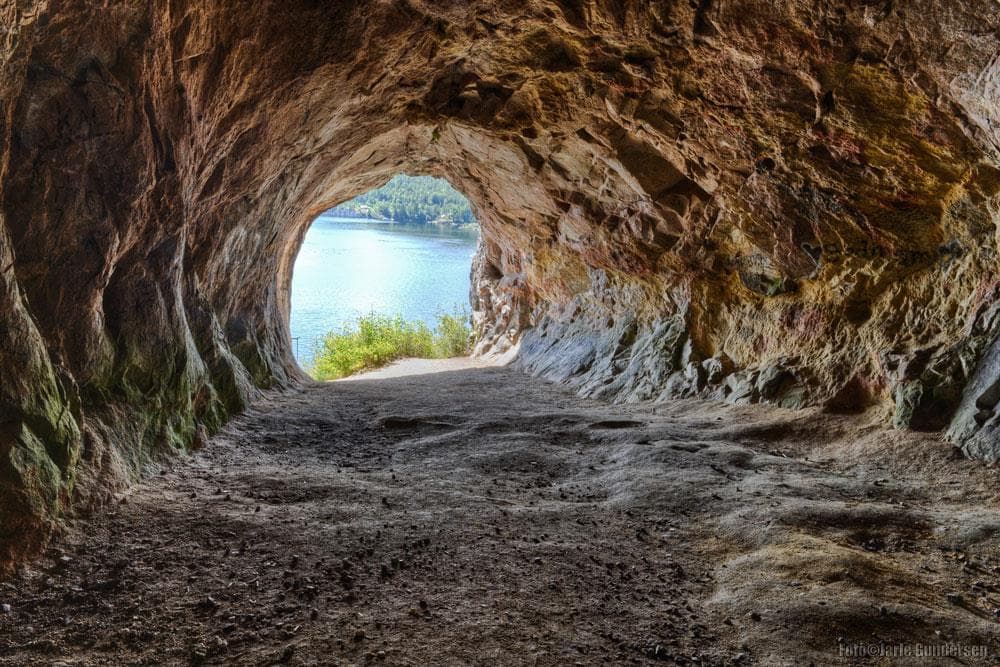
Gea Norvegica Unesco Global Geopark - Mikaelshulen
3721 Skien
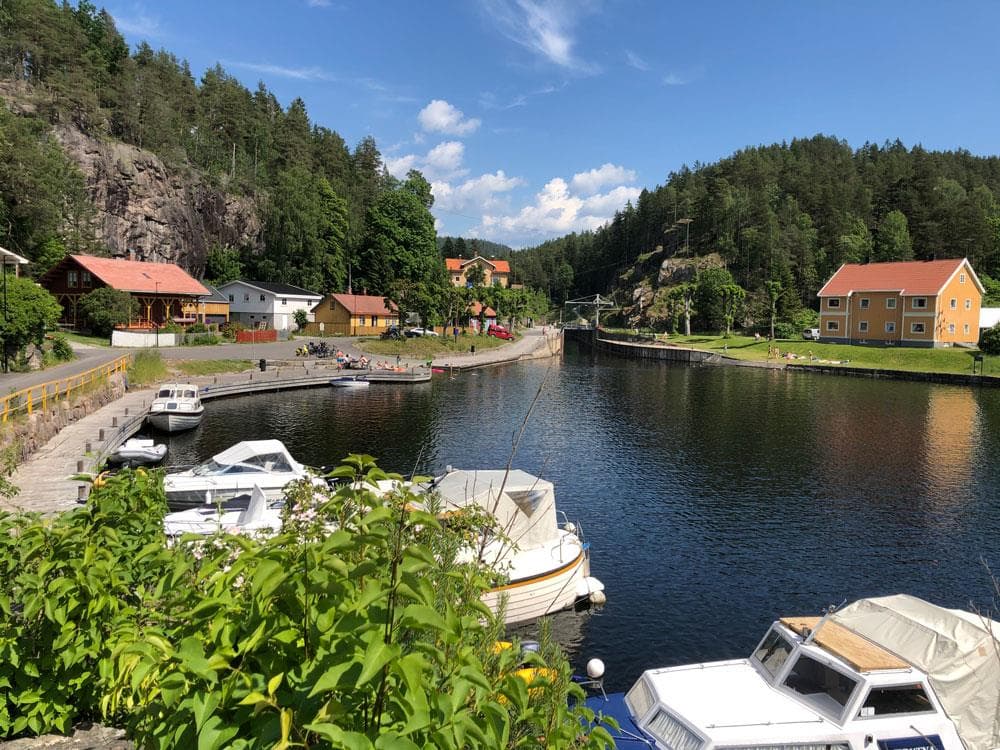
Løveid Lock guest harbor, Skotfoss
3720 Skien
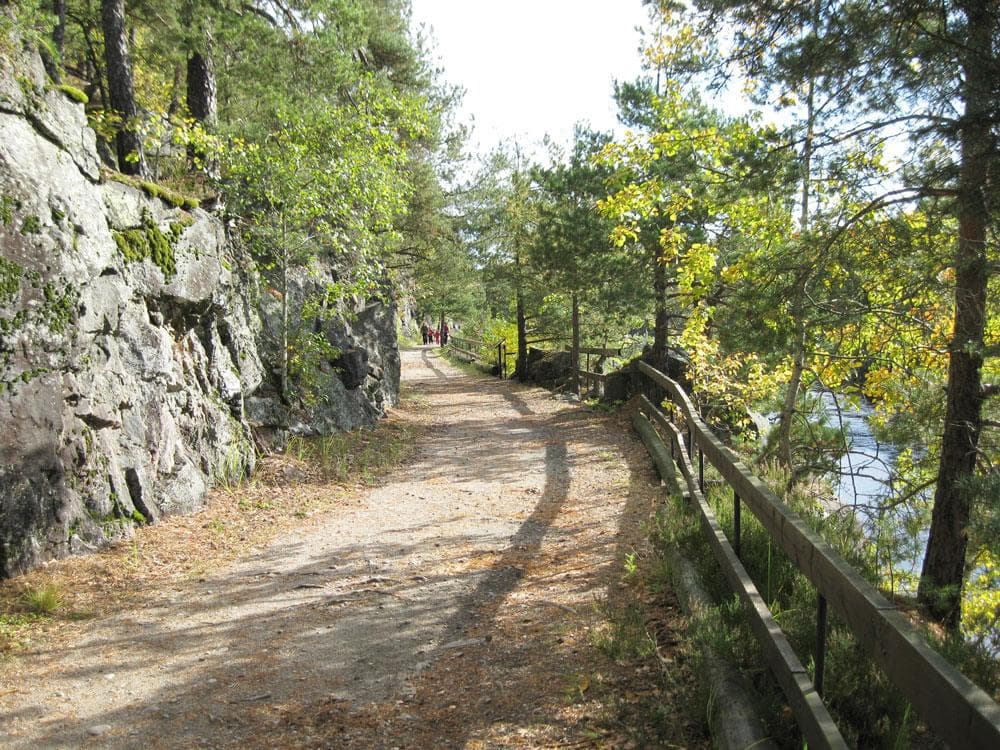
Skotfosstien - cultural trail
3724 Skien
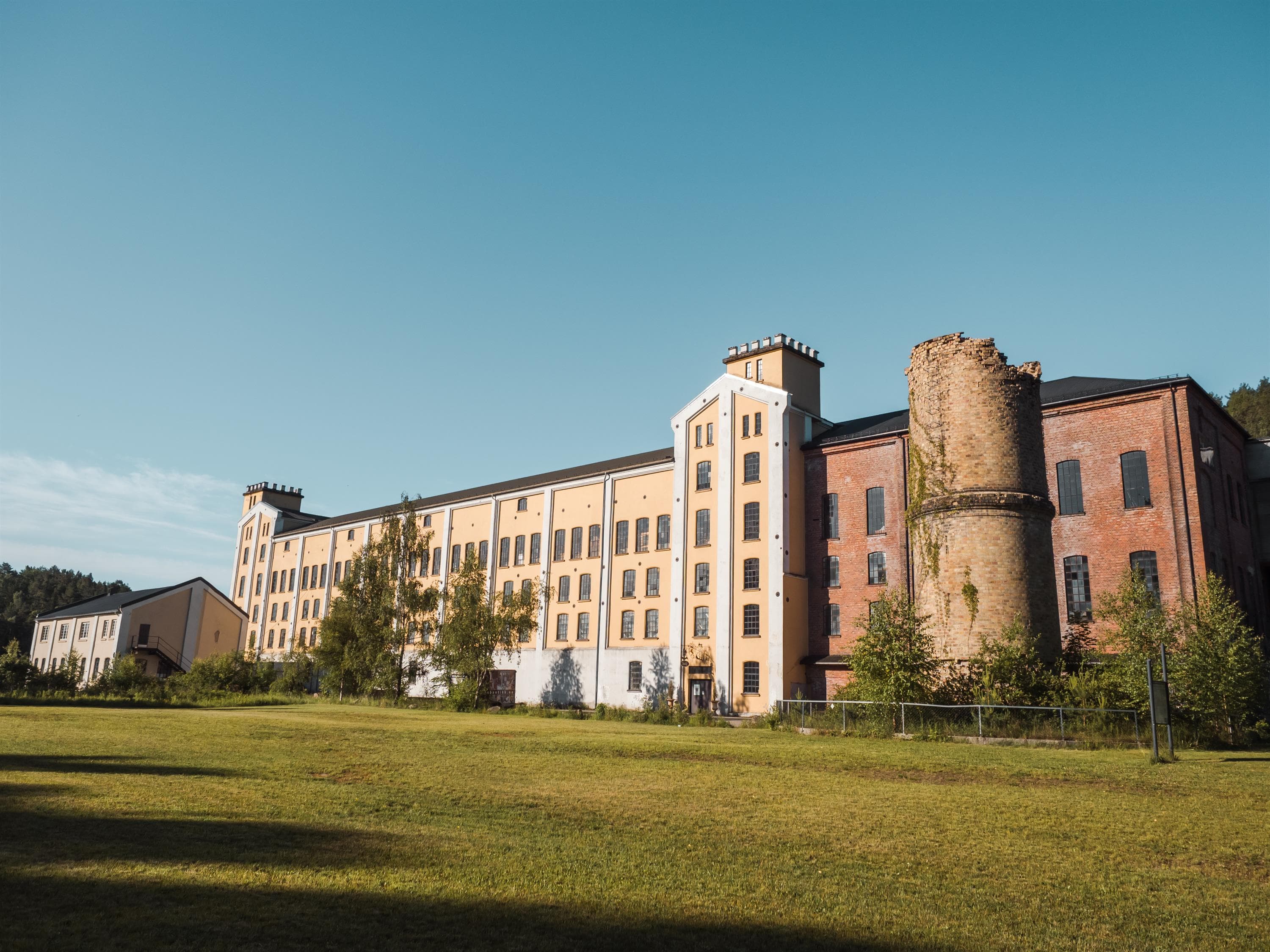
GUB - Gamle Union Brug Antikkk
Skotfossvegen 276, 3720 Skien
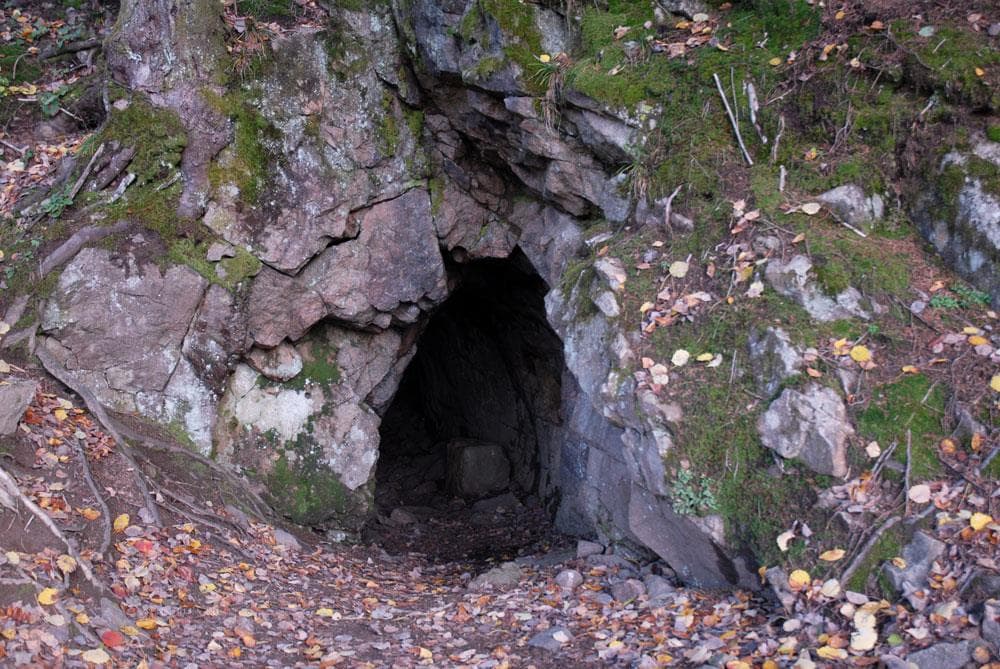
Gea Norvegica Unesco Global Geopark - The Glaser Mine
3721 Skien
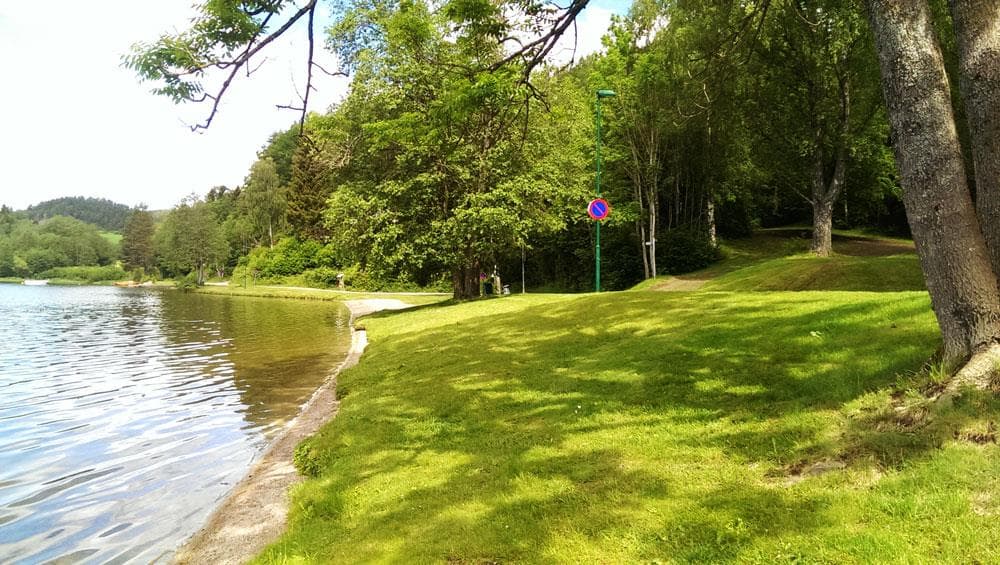
Gåsodden swimming spot
Fjærekilveien, 3729 Skien
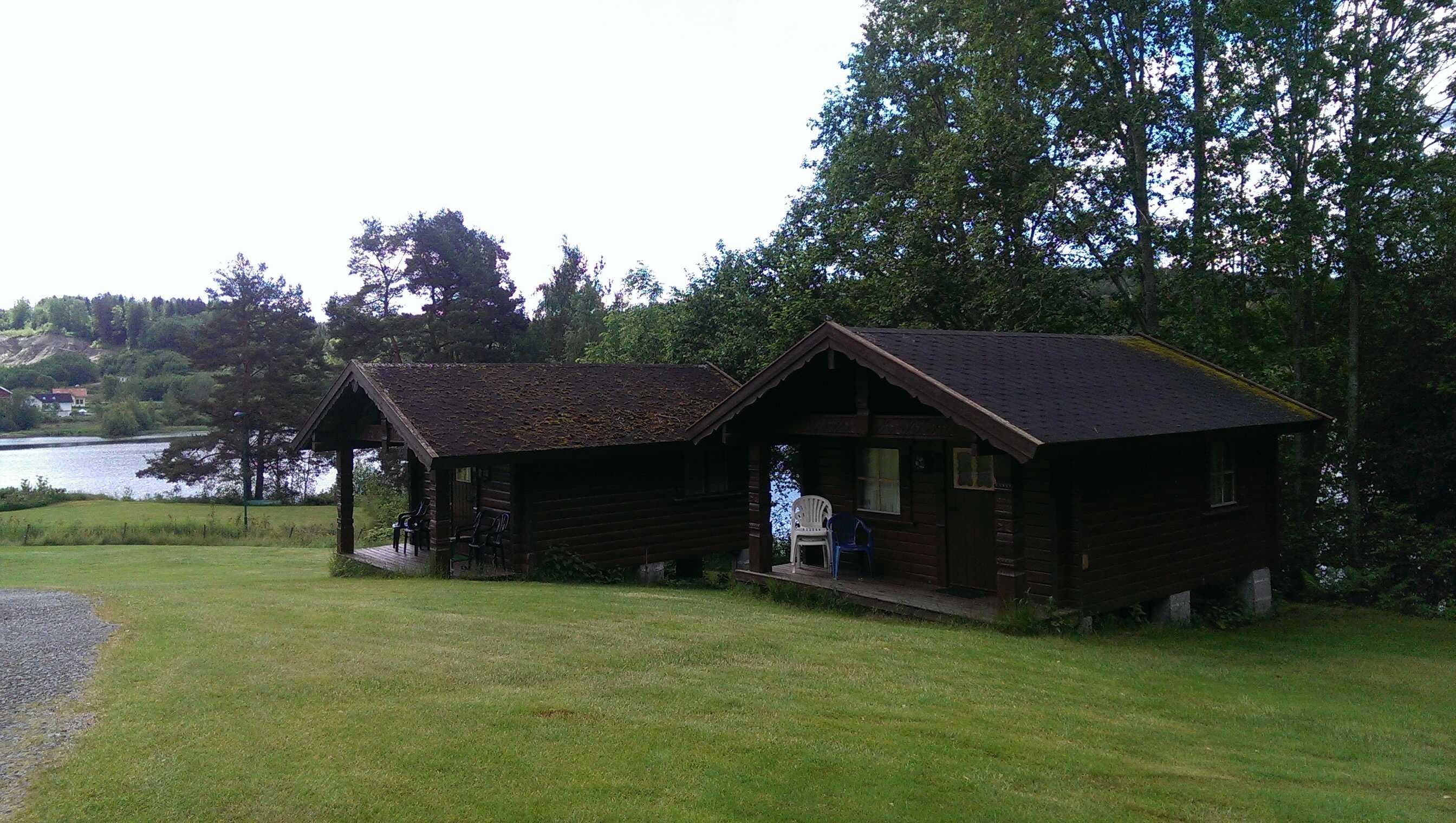
Gåsodden Camping
Fjærekilveien 66, 3729 Skien

Palma Coffee Corner
Telemarksgate 6, 3743 Skien
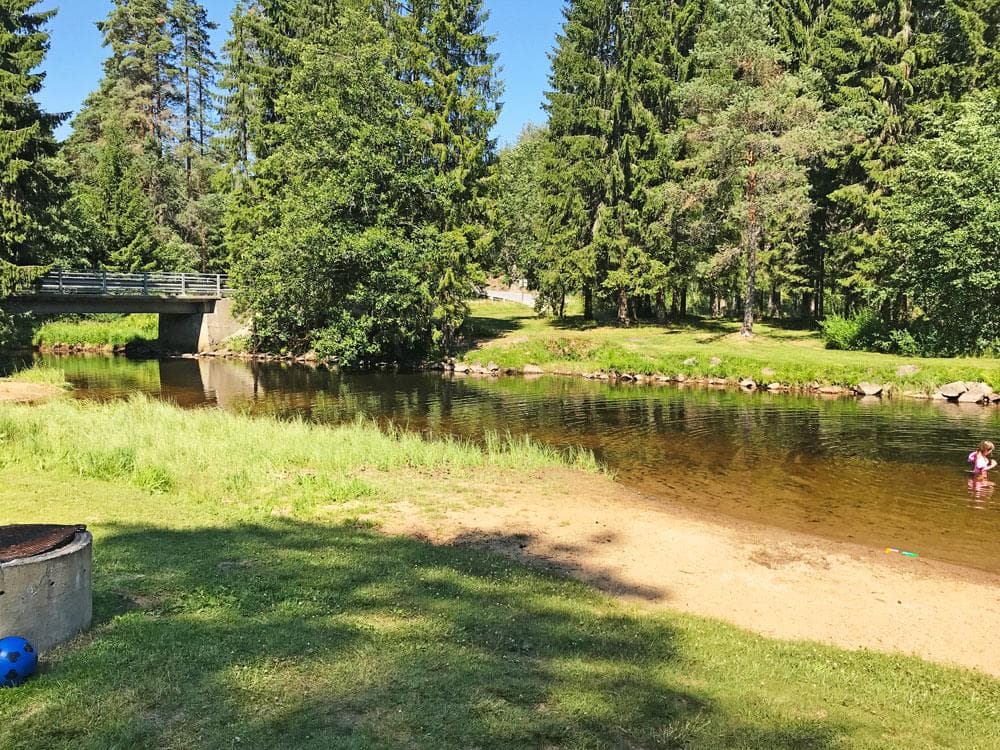
Bliva swimming spot
3724 Skien
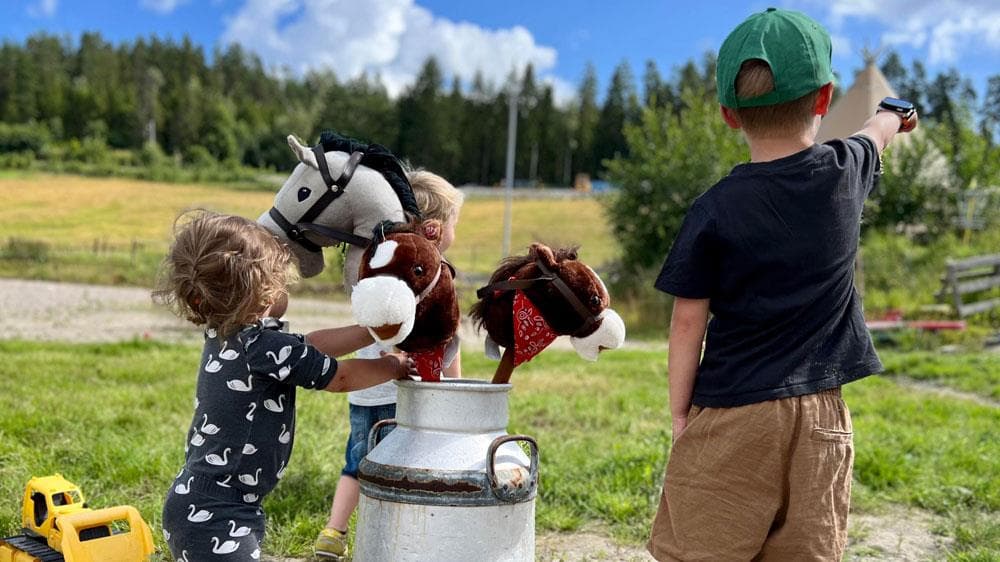
Brekka Farm
Elsetvegen 4, 3731 Skien
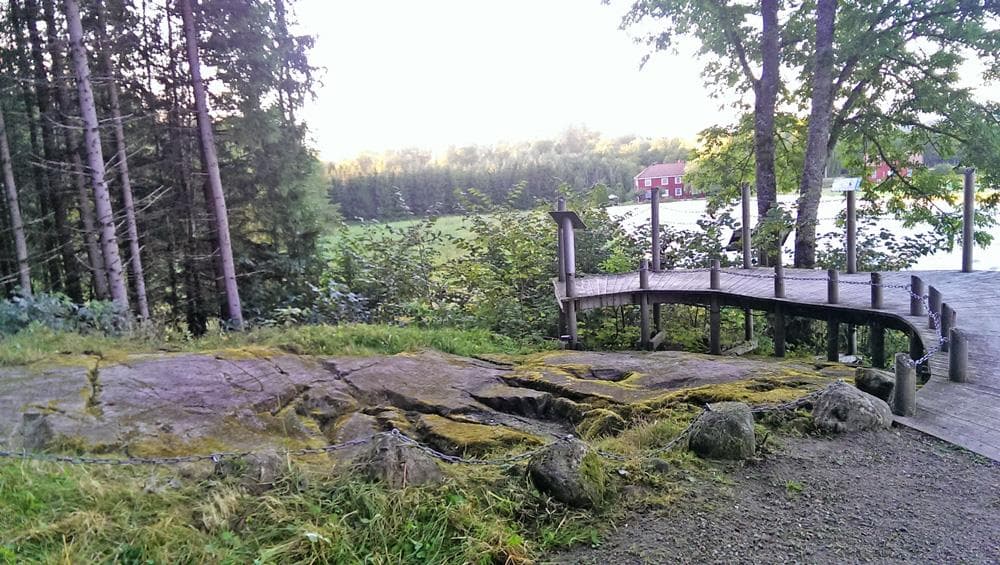
Rock carvings
3732 Skien

Grenland Parachute Club
Flyplassvegen 125, 3729 Skien
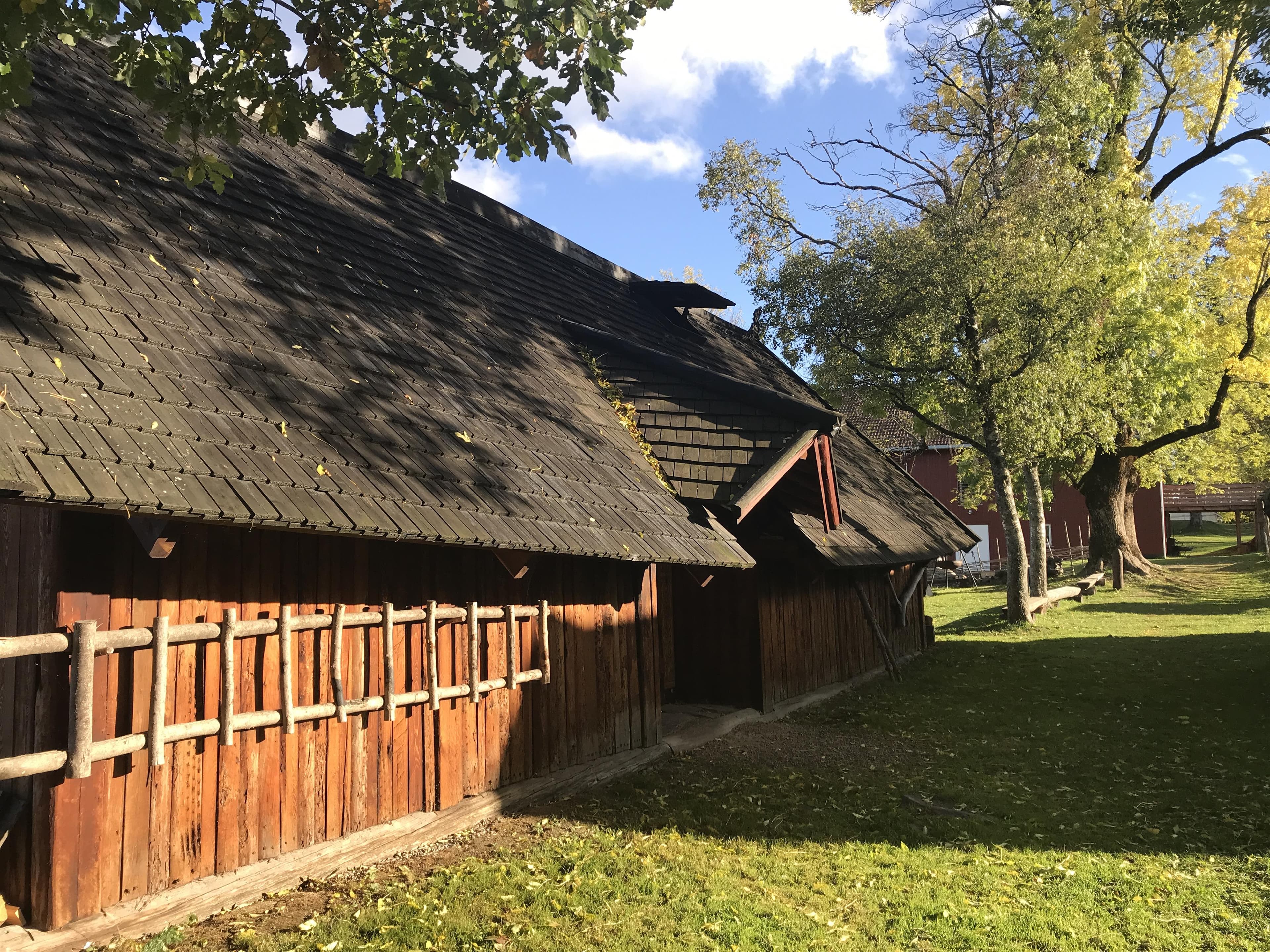
The Ironage-house Århus
Århusvn. 191, 3721 Skien
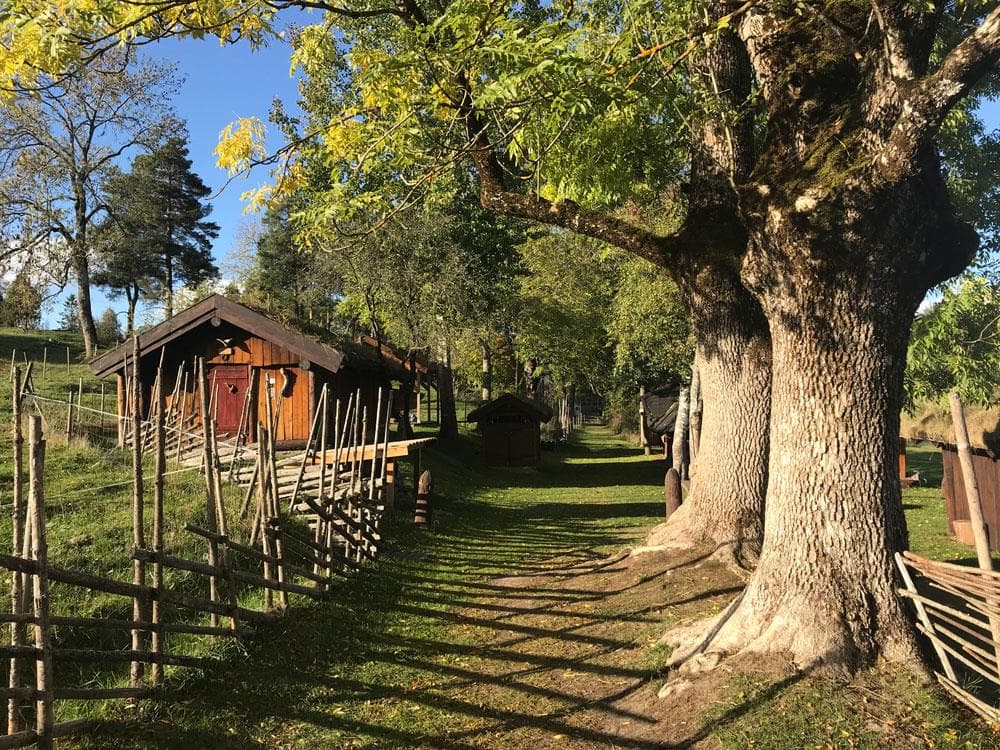
Århus culture track
3724 Skien
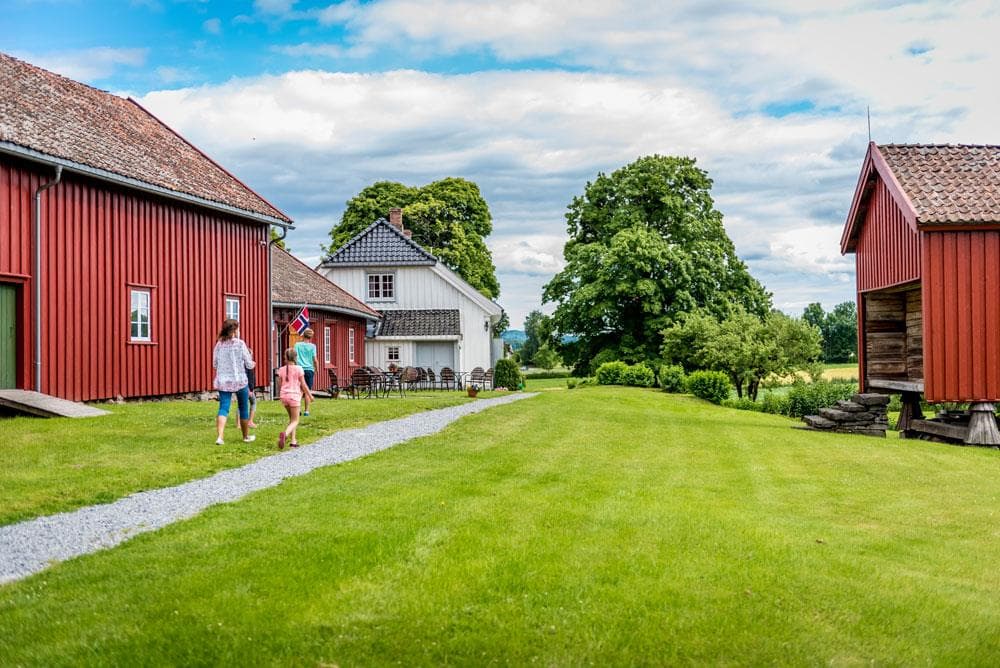
Henrik Ibsen museum
Venstøphøgda 74, 3721 Skien
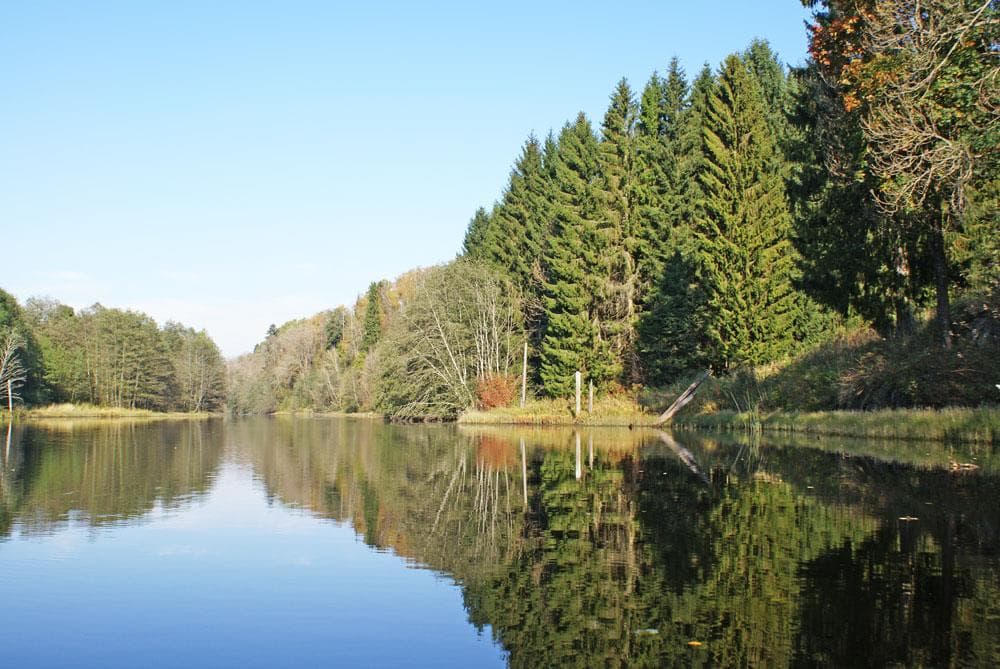
Canoeing in the Falkum river
3724 Skien
Bikepacker - Grenland region
3716 Skien