Gea Norvegica Unesco Global Geopark - The Glaser Mine
Glasergruva Mine (1543): Norway's oldest datable iron mine in Skien. Discover the history behind Fossum Ironworks & this protected monument.

About
Glasergruva (Glaser Mine) in Skien, Gjerpen, is a unique and protected cultural heritage site, recognized as the first iron mine in Norway that can be dated (completed in 1543). The mine and its iron ore deposits laid the historical foundation for the establishment of the important Fossum Ironworks and marked the beginning of 328 years of mining and ironworks operations in the Gjerpen area, lasting until 1867.
Historical Background
The mine is named after Hans Glaser, King Christian III's master miner, who reported rich deposits in the Skien area in 1538. This inspired the quote: "God Almighty has abundantly shown His grace with the iron ore that is present in many places and widely spread fields in Skien."
Fossum Ironworks developed into a significant industrial enterprise, even though the iron deposits in Skien later proved to be less abundant than Glaser initially believed. Its own blast furnace was established in 1625. Eventually, the iron had to be sourced from other, richer deposits, including Fen near Ulefoss and the mining areas around Arendal. The property and facility are currently owned and maintained by the Løvenskiold family. The mine is now protected as a cultural monument.
About Glaserstollen (Glaser Adit)
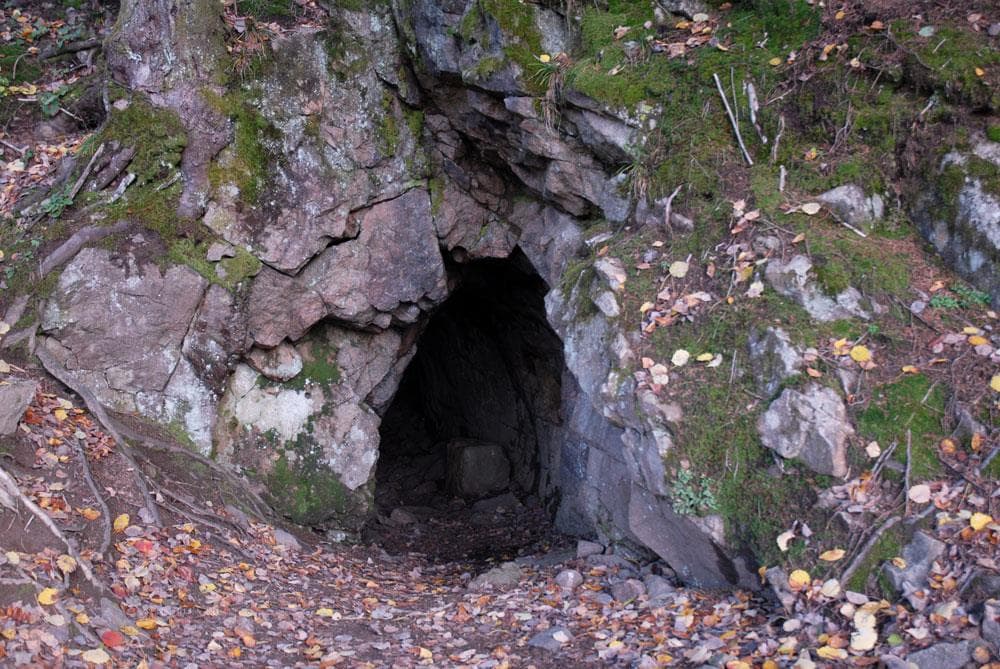
The Glaserstollen (the mine adit) was originally broken out using fire-setting (which is visible in the shape of the mine passage) before gunpowder was introduced. The adit currently extends approximately 40 meters into the mountain before being blocked by a rockslide. Its original length was around 260 meters.
Important Safety Warning
Note! Glaserstollen is prone to rockslides and is closed due to the danger. Be extremely aware of unsecured mine openings in the area surrounding the facility. Entry is at your own risk.
Contact
post@geanor.no
Location
Practical information
- Other attractions
Nearby events




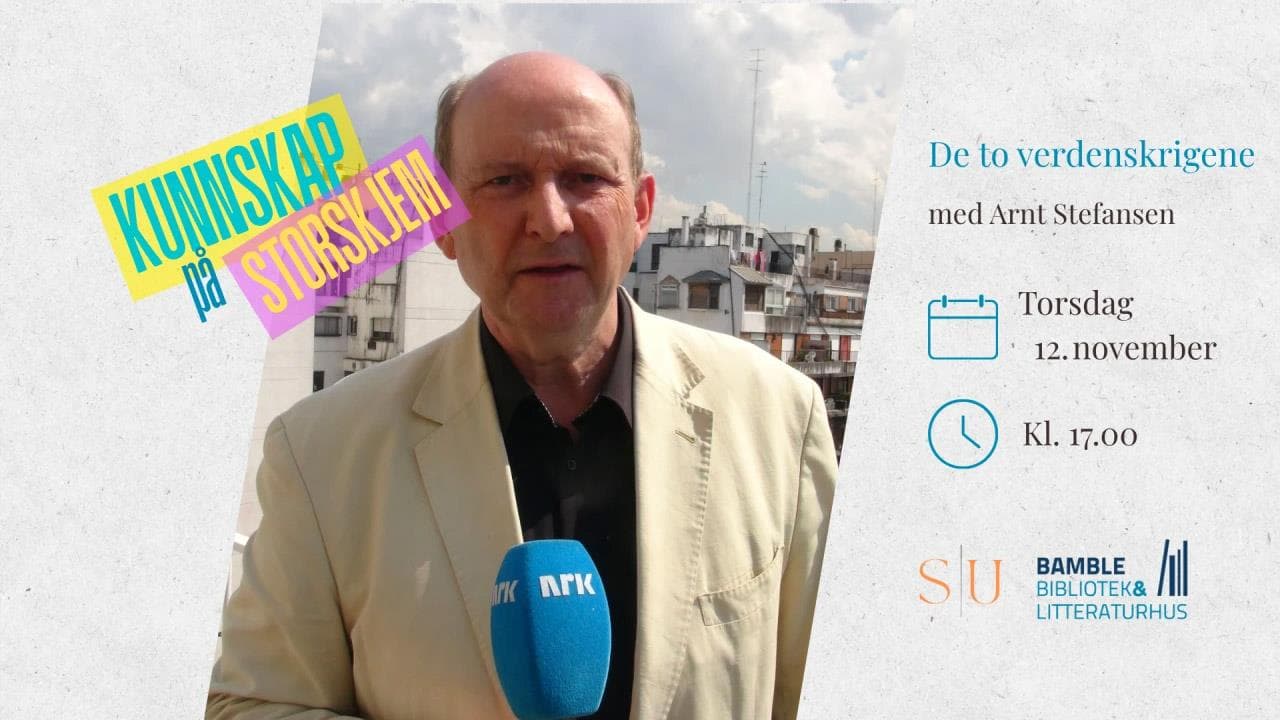

"En Showgirls bekjennelse" med Guri Schanke – 12. november på Quality Hotel™ Skjærgården
Stathelleveien 35, 3970 Langesund





Kunnskap på storskjerm: Da imperiet falt - en historisk reise gjennom Østerrike
Krabberødstrand 14, 3960 Stathelle
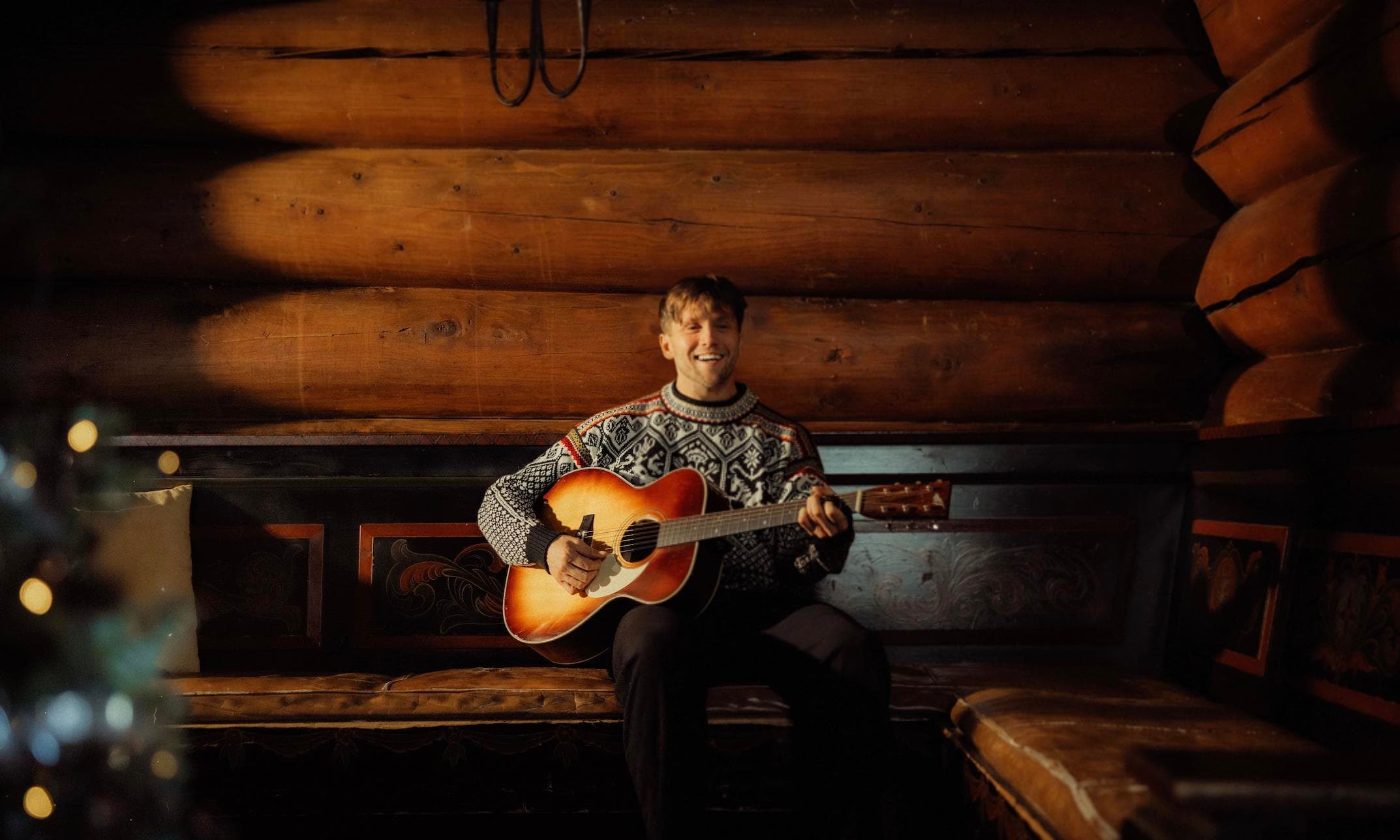

Barnas Jul med Erik & Kalle - 29.desember på Quality Hotel™ Skjærgården
Stathelleveien 35, 3970 Langesund

Related
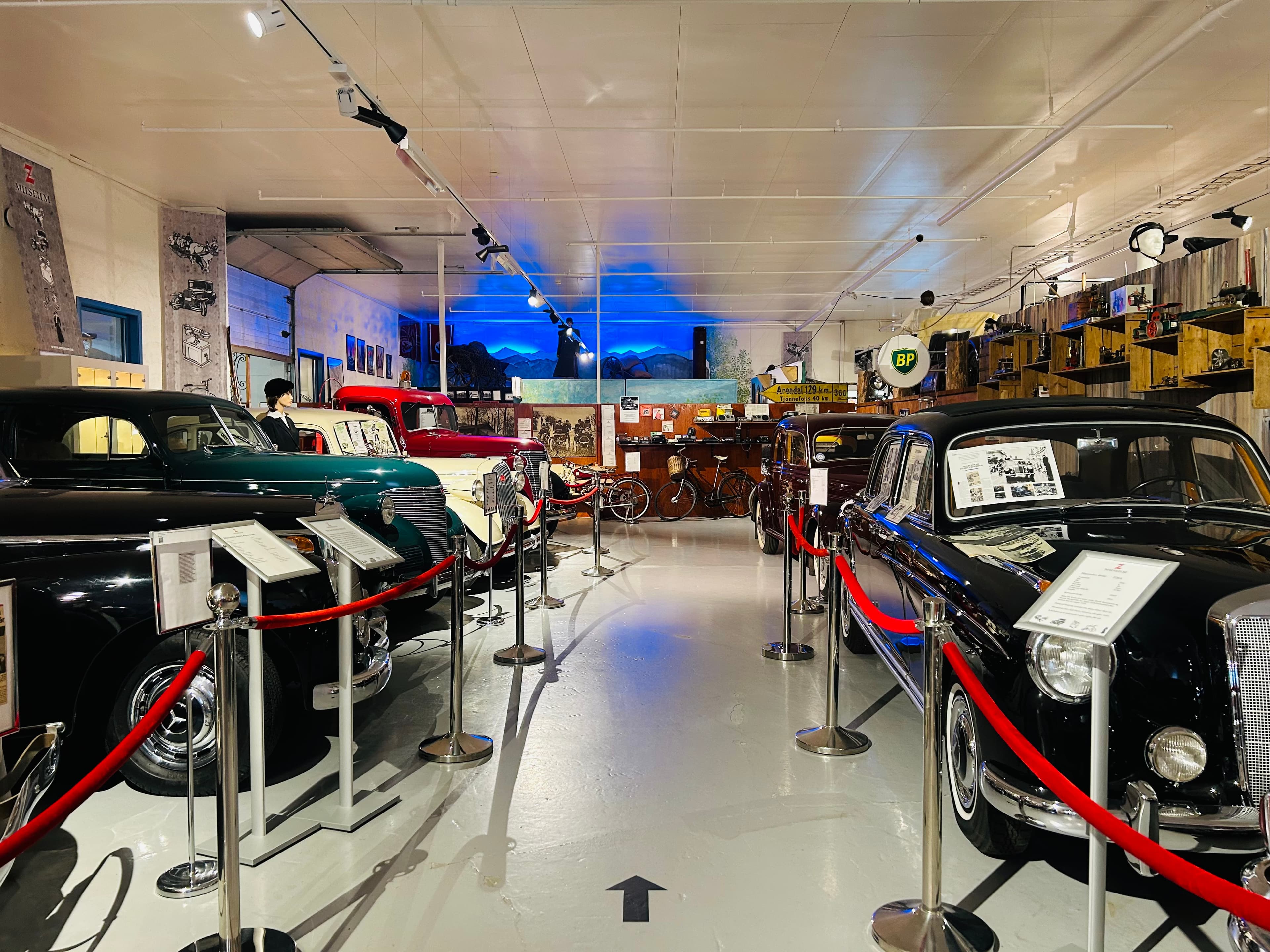
Z Museum in Treungen
Sundsmoen 27, 3855 Tveitsund
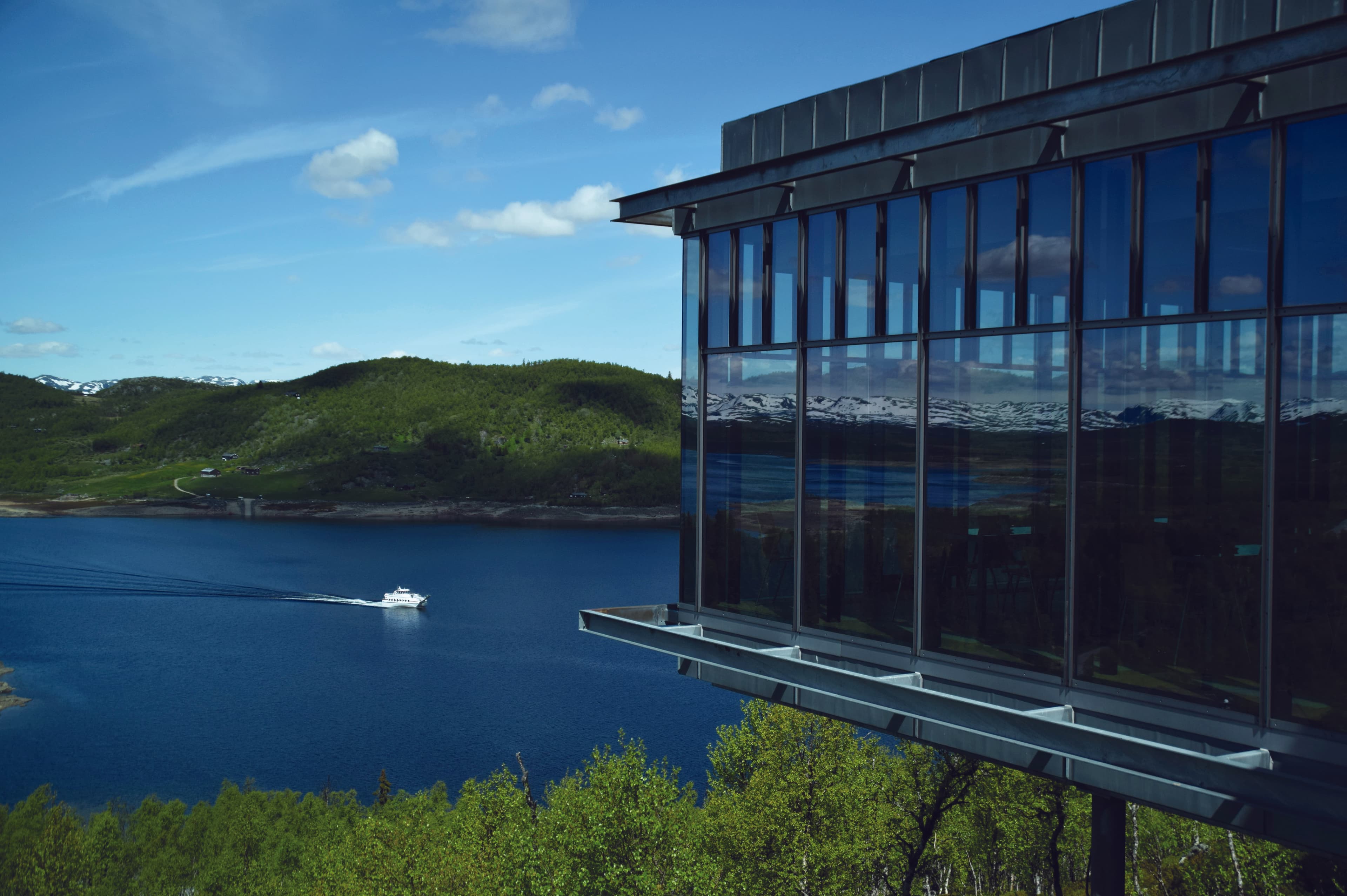
Hardangervidda National Park Visitor Centre
Møsvannsveien 1149, Rjukan
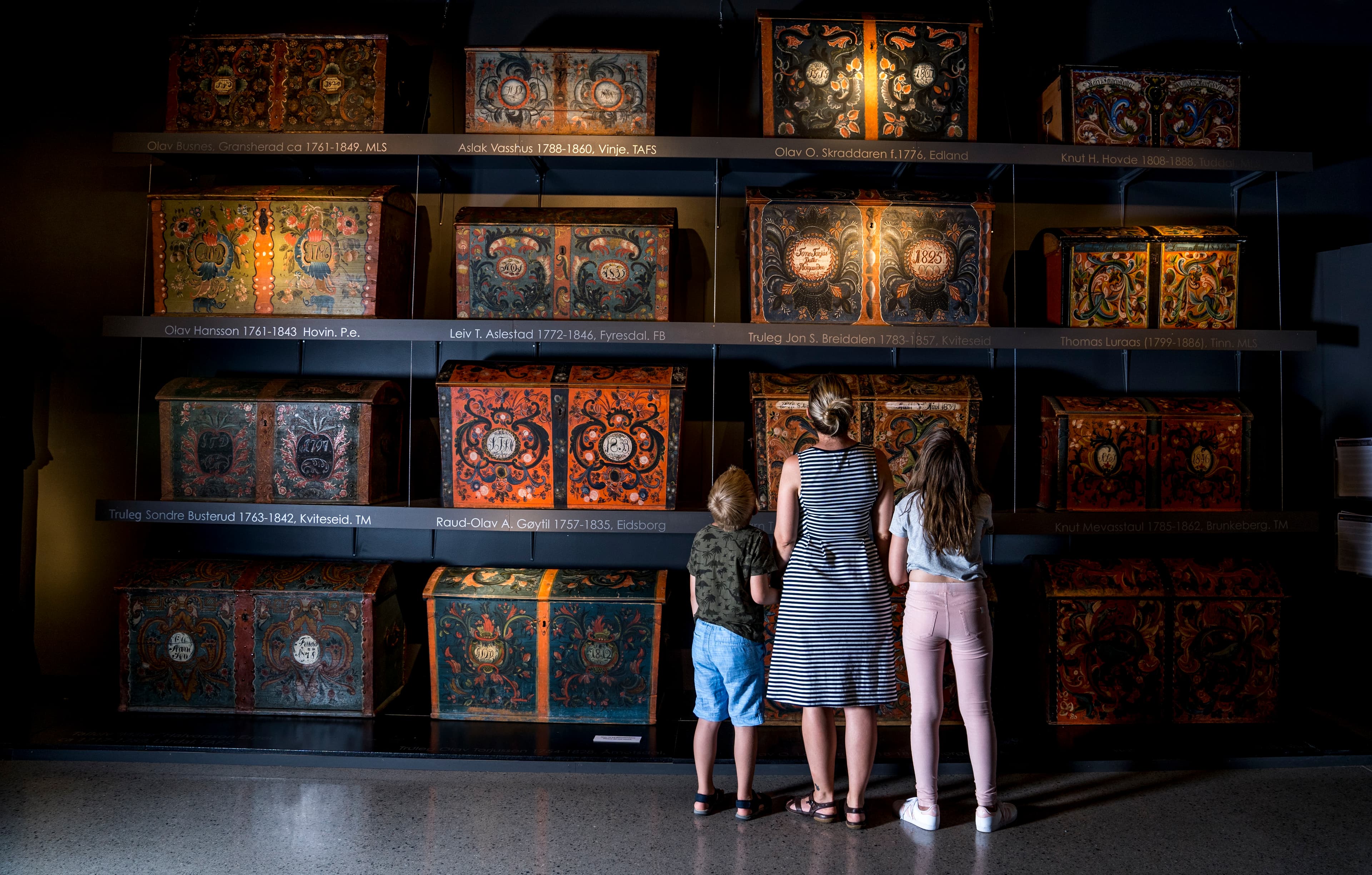
Entrance Ticket – Vest-Telemark Museum with Eidsborg Stave Church
Museumsvegen 9, 3891 Høydalsmo
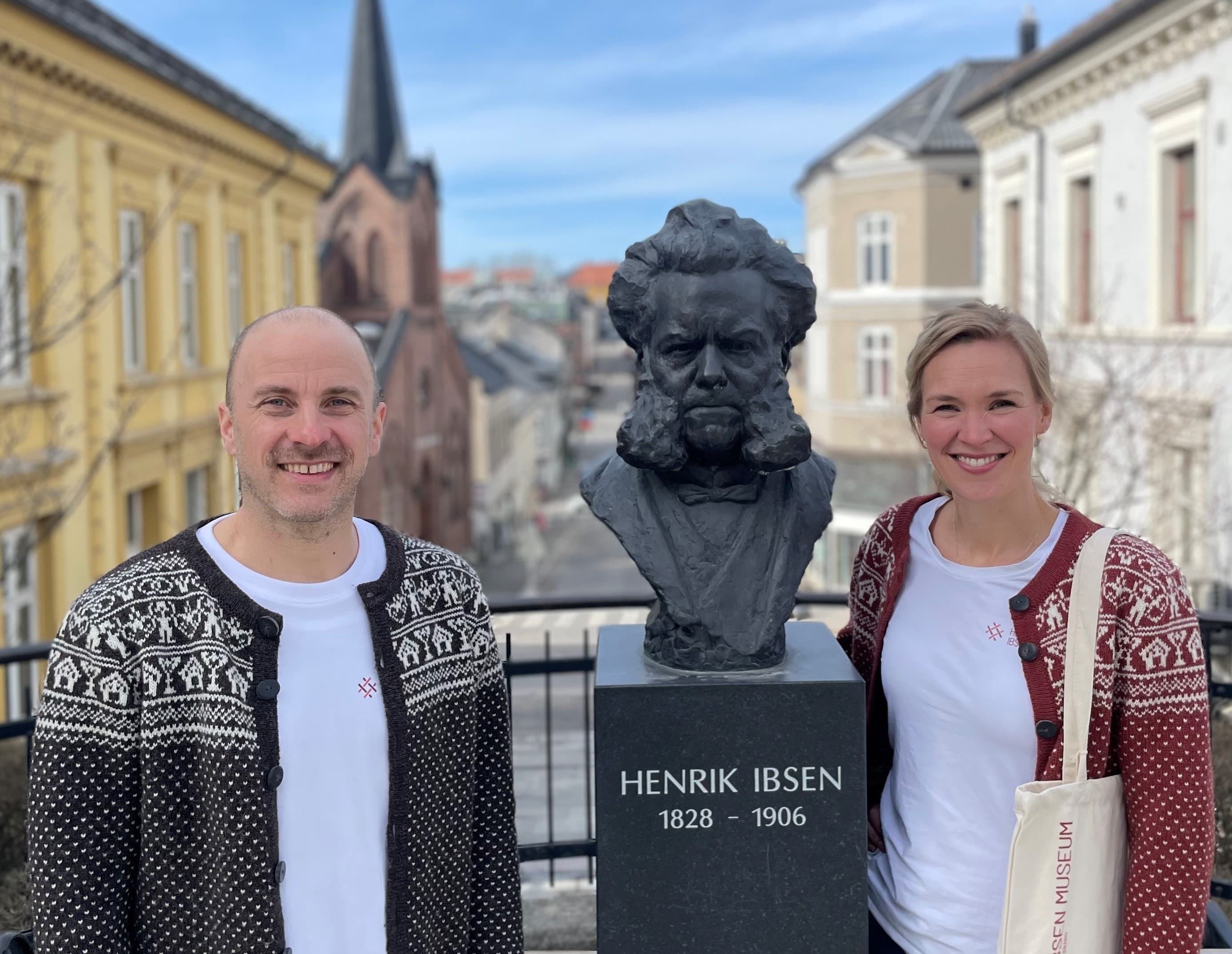
In the Footsteps of Ibsen in Skien
Øvregate 32a, 3715 Skien
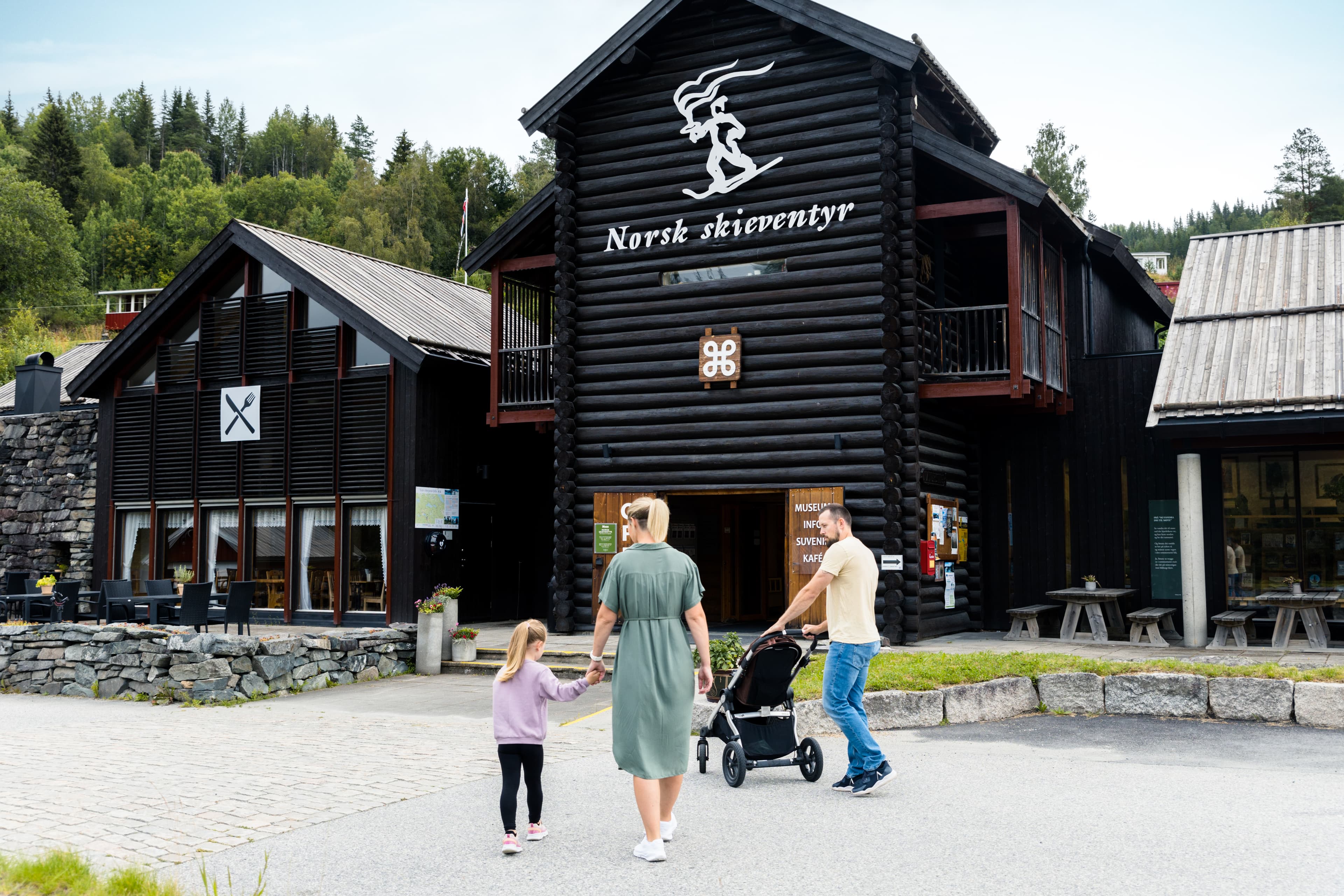
Admission Ticket – Norwegian Ski Adventure, Morgedal
Morgedalvegen 159, 3848 Morgedal
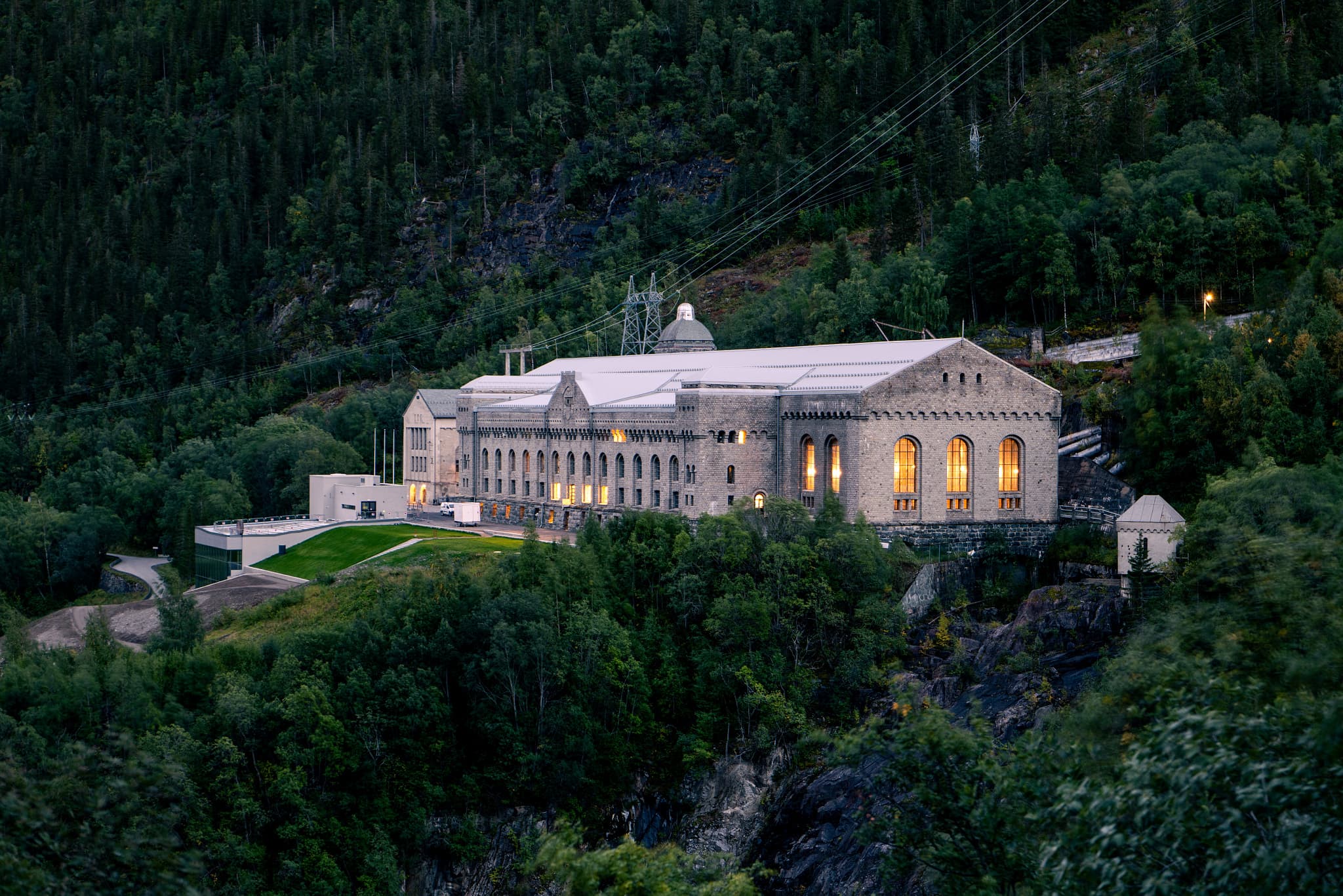
Entrance to The Norwegian Industrial Workers Museum - Vemork
Norsk Industriarbeidermuseum Vemork, 3660 Rjukan
Entrance to Telemark Kunstmuseum
O. H. Holtas gate 27, 3678 Notodden

One-Day Ticket to the Porcelain Museum - Telemark Museum
Porselensvegen 6b, 3920 Porsgrunn
One-Day Ticket: Brekkeparken – Telemark Museum
Telemark museum, Øvregate 32a, 3715 Skien
DuVerden Maritime Museum & Science Centre – Porsgrunn
Tollbugata 23, 3933 Porsgrunn
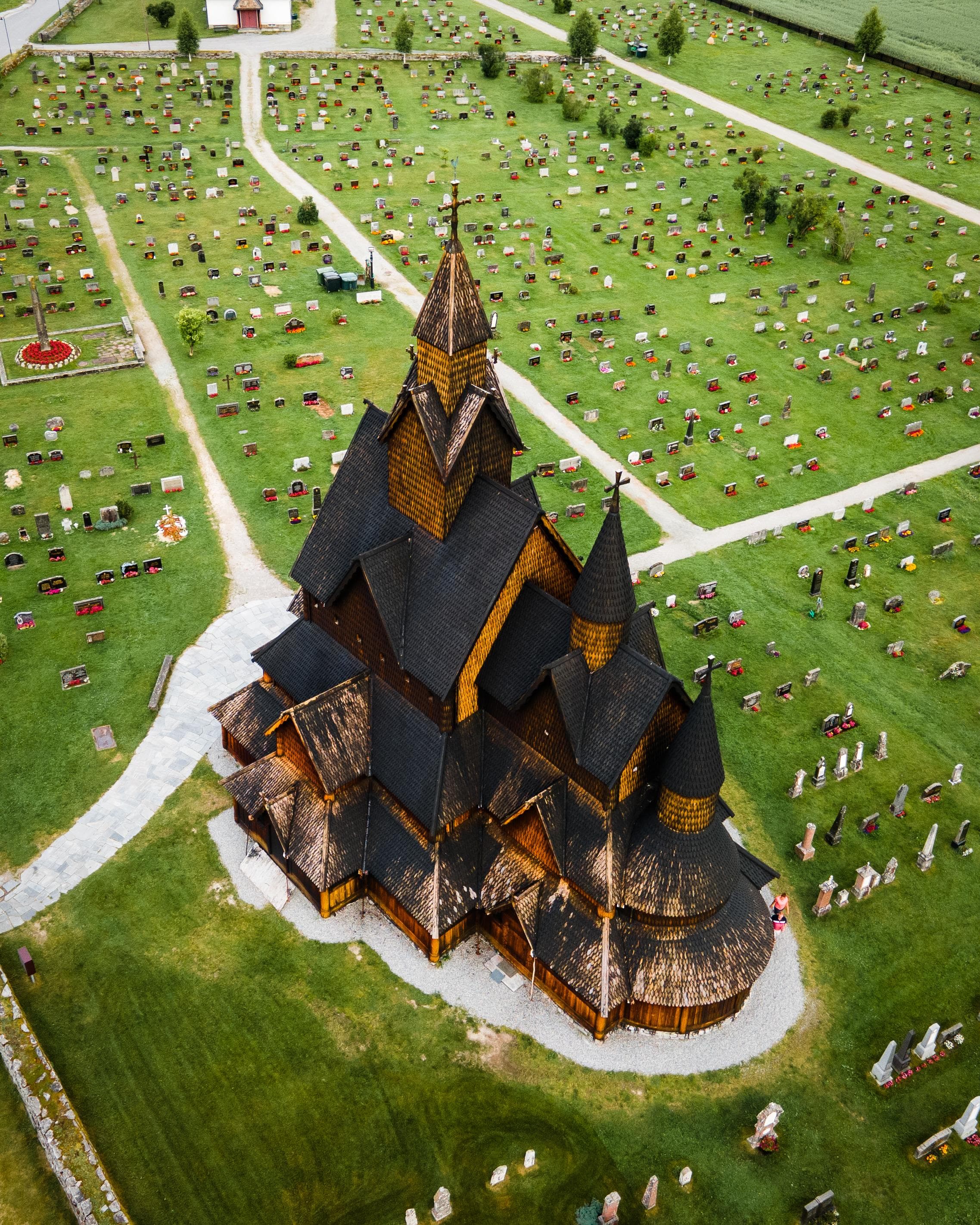
Heddal Stave Church
Heddalsvegen 412, 3676 Notodden
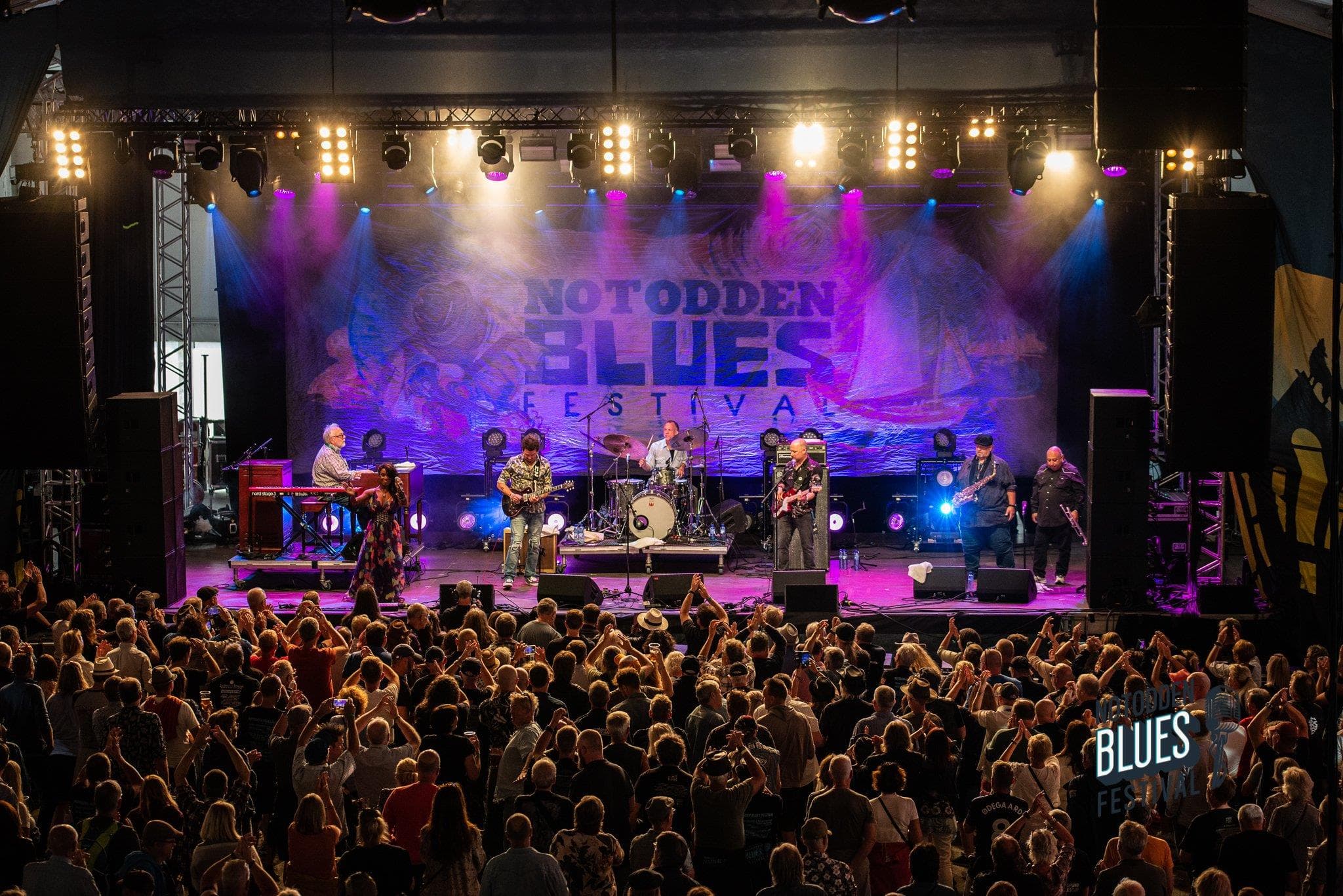
Notodden Blues Festival
Storgata 1, 3676 Notodden
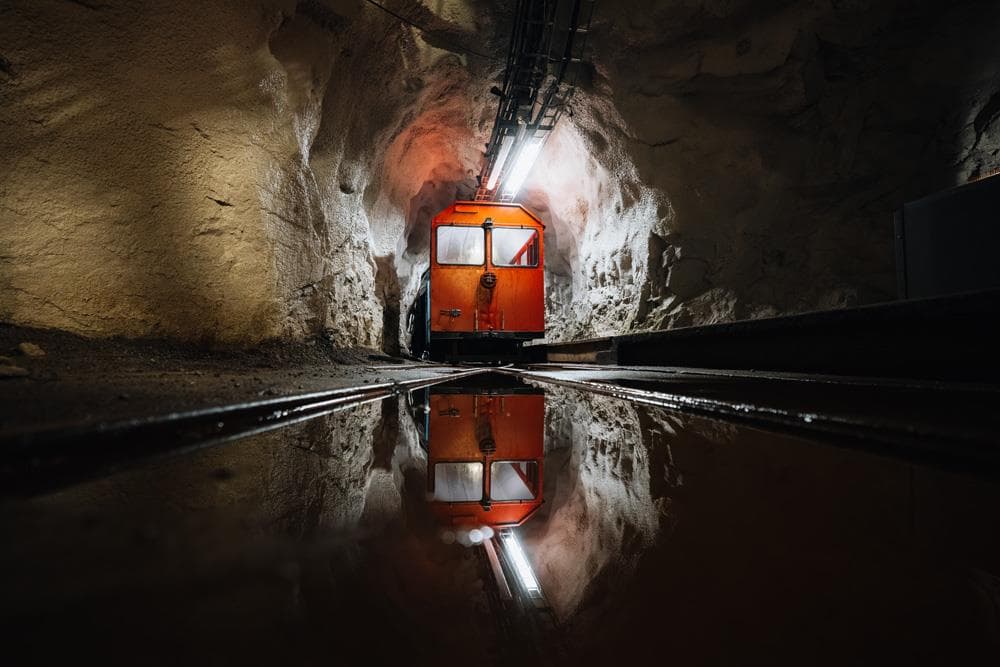
Gaustabanen
Langefonn, 3660 Rjukan
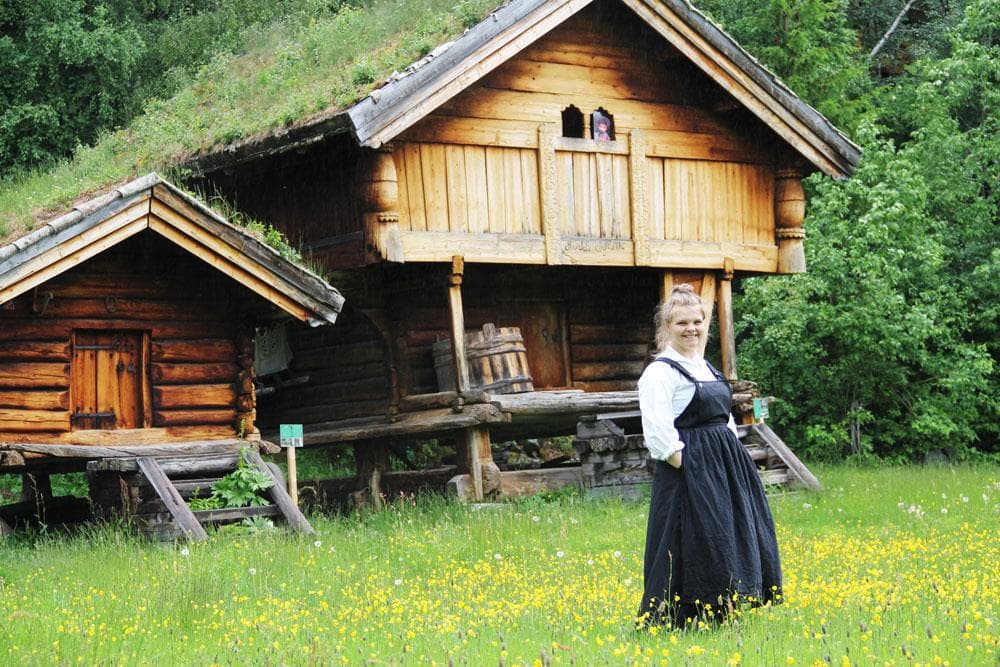
Tuddal Bygdetun
Tuddalvegen 2111, 3697 Tuddal
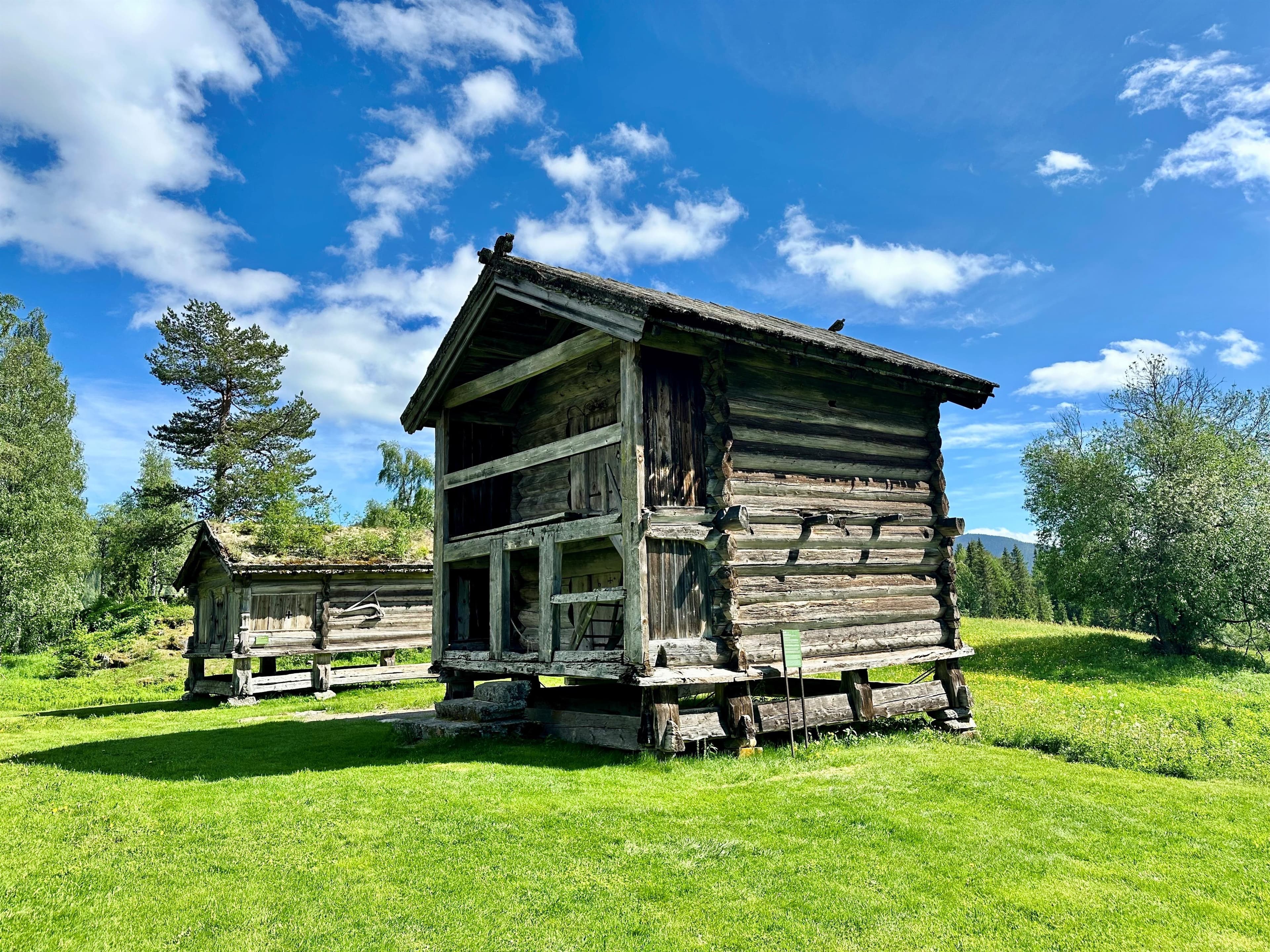
Stålekleivloftet - one of the oldest wooden buildings in the world
Museumsvegen 9, 3891 Høydalsmo
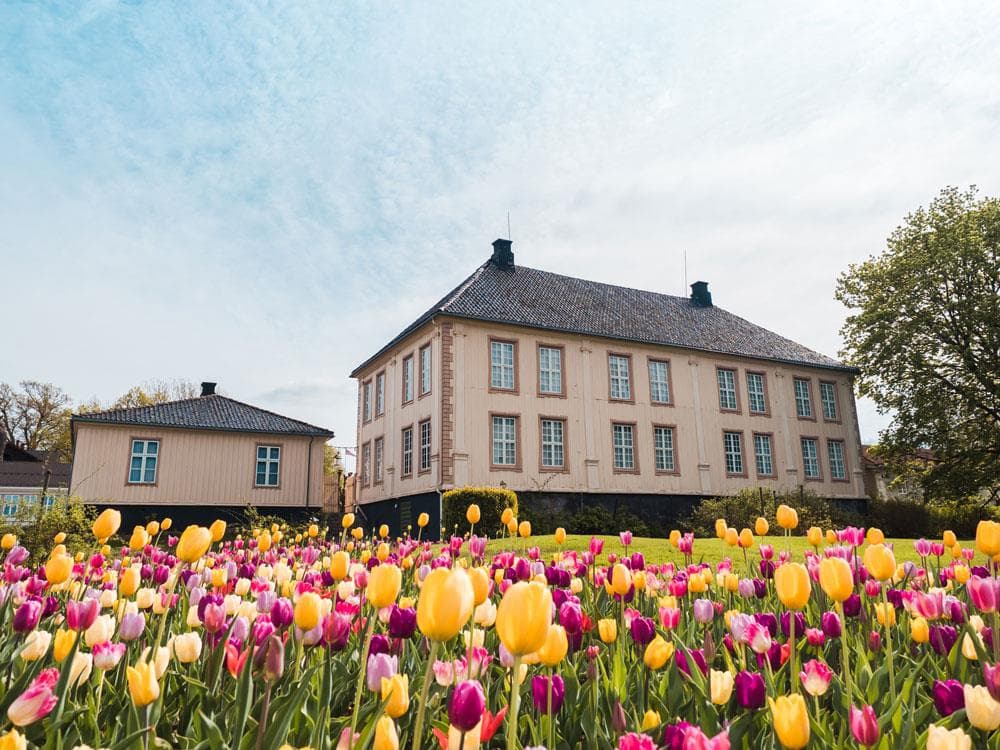
Søndre Brekke Estate, Telemark Museum
Øvregate 32a, 3715 Skien
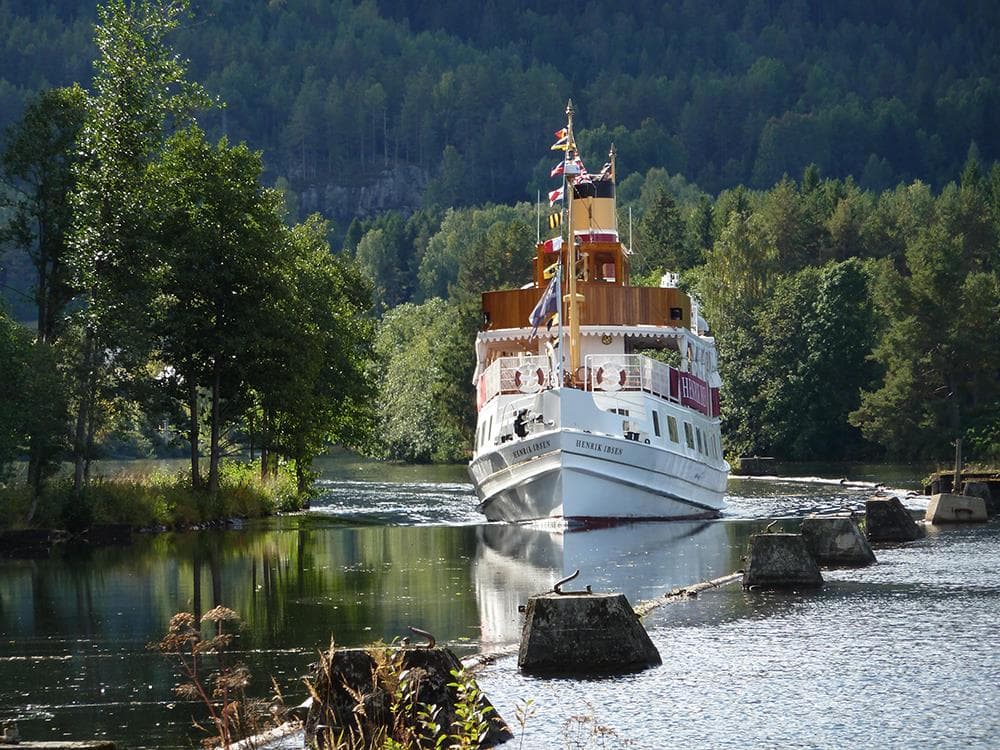
The Telemark Canal
Hjellebrygge, 3706 Skien

A Cultural-Historical Walk Through the Centuries in Telemark
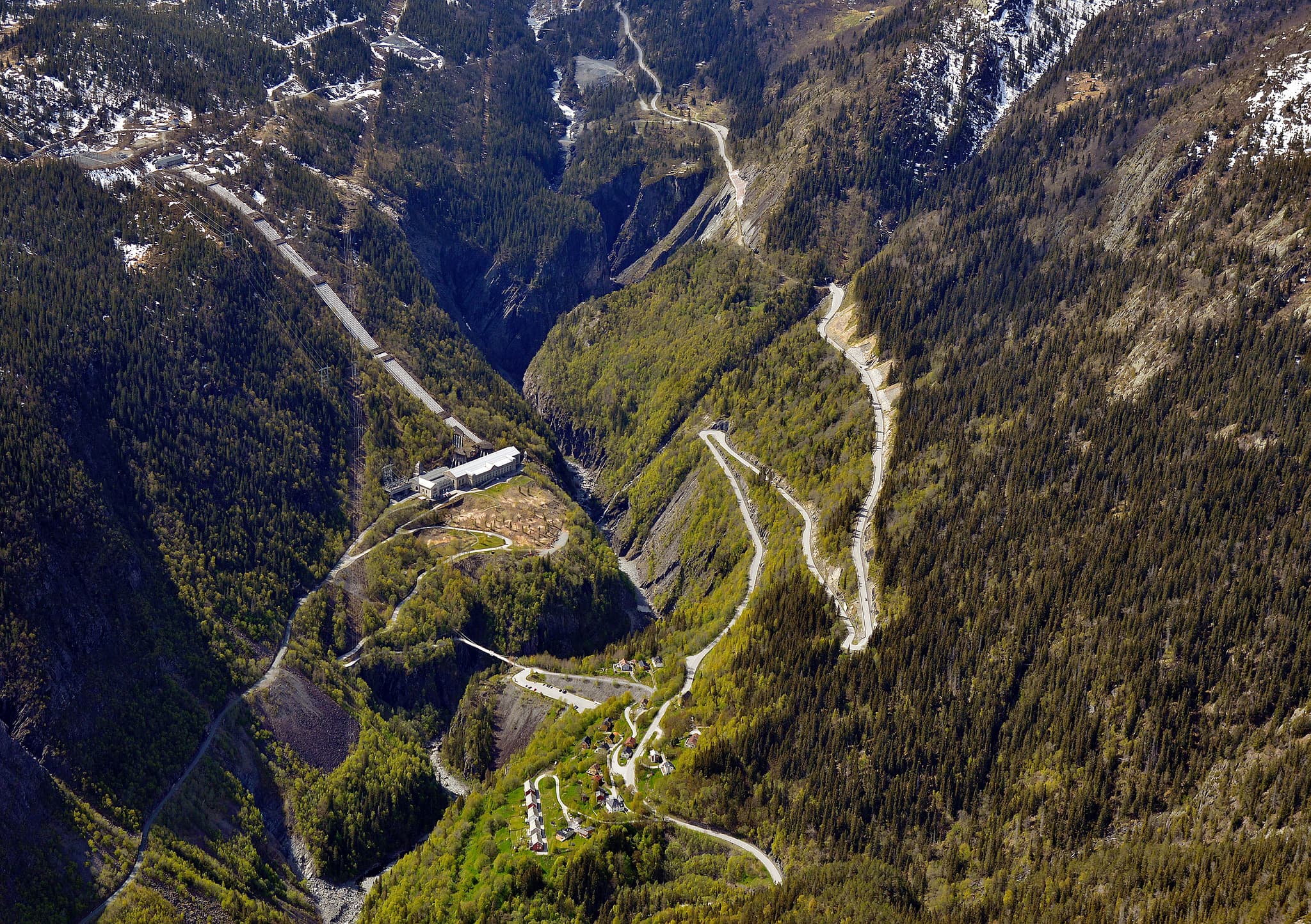
Hike in the Footsteps of the Saboteurs
Parking lot at Rjukan Mountain Lodge, marked "Sabotørstien."
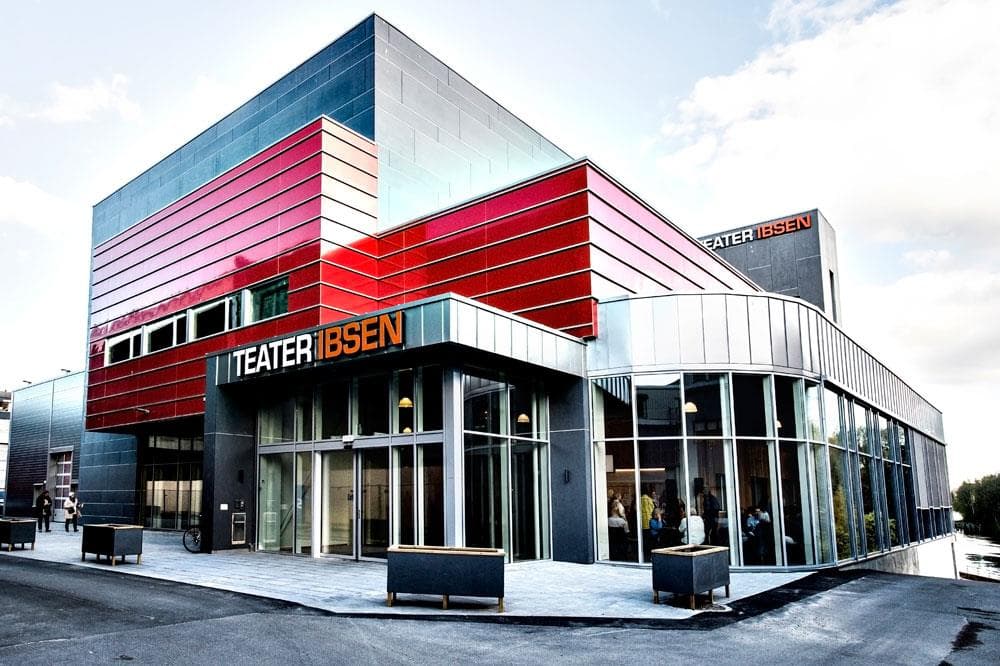
Nearby activities
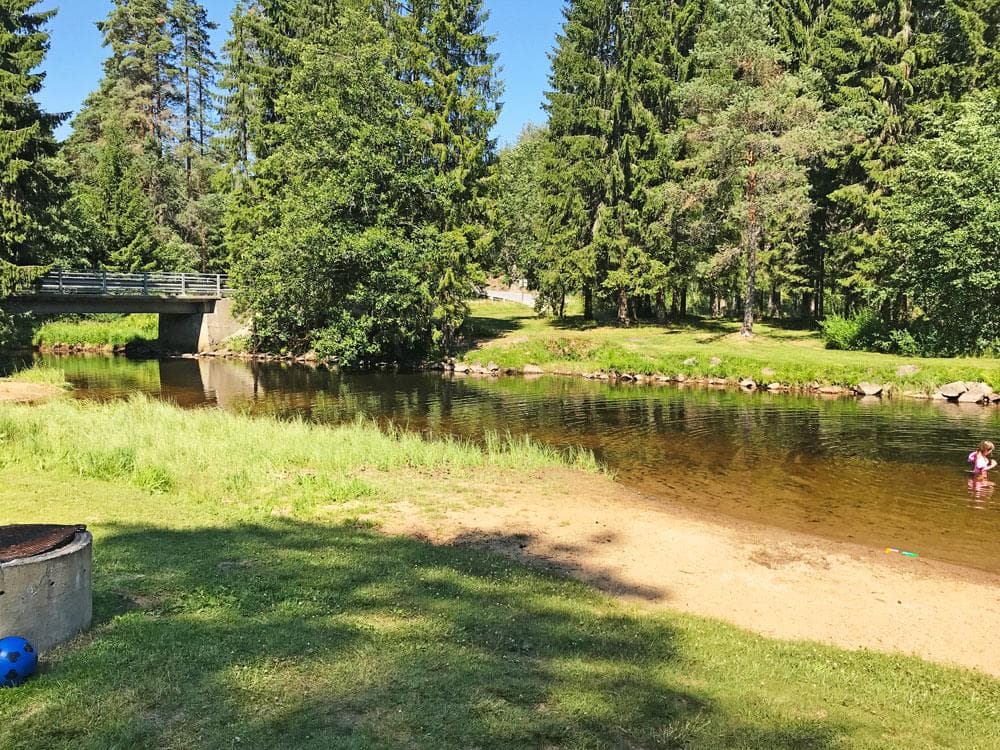
Bliva swimming spot
3724 Skien
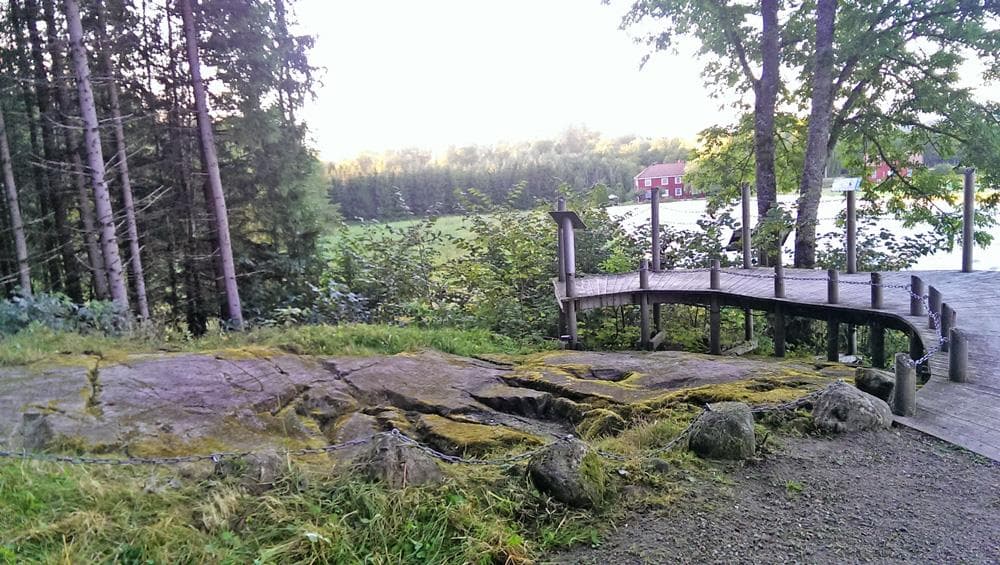
Rock carvings
3732 Skien
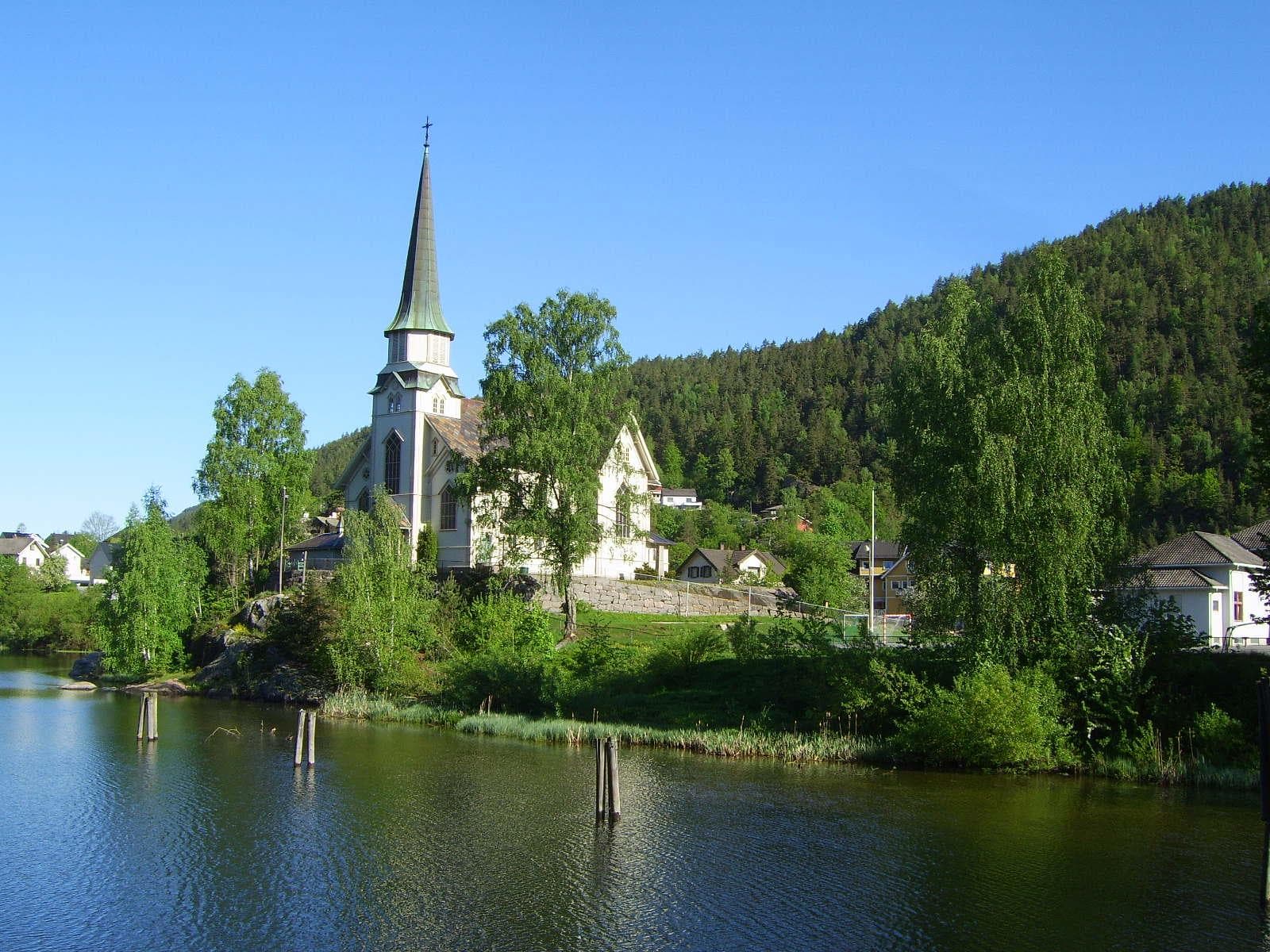
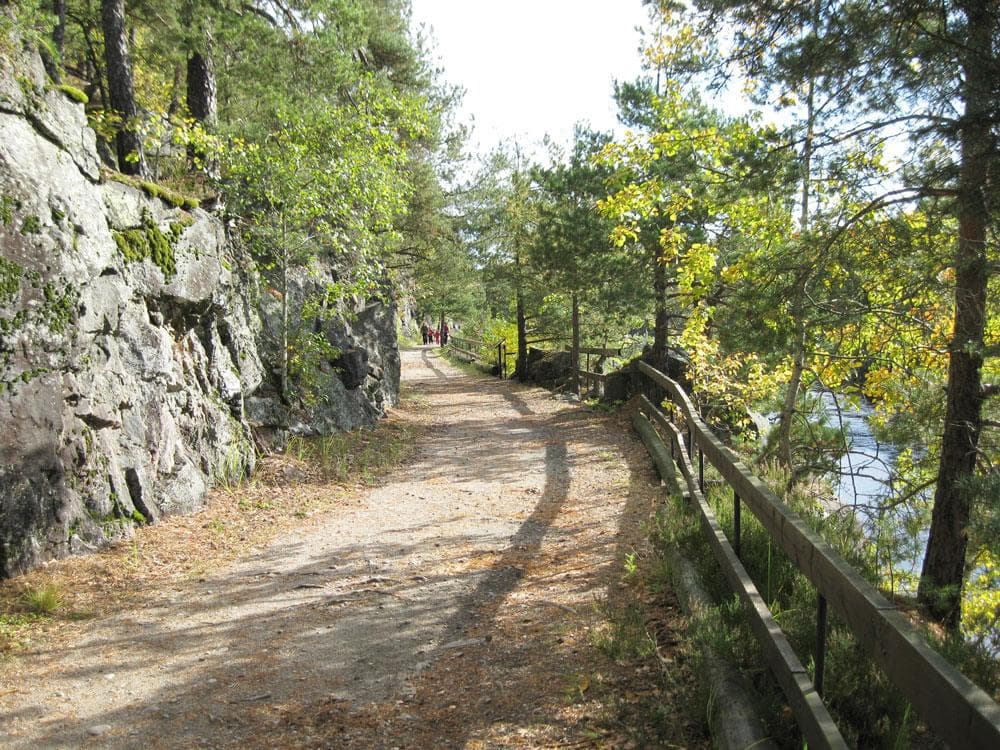
Skotfosstien - cultural trail
3724 Skien
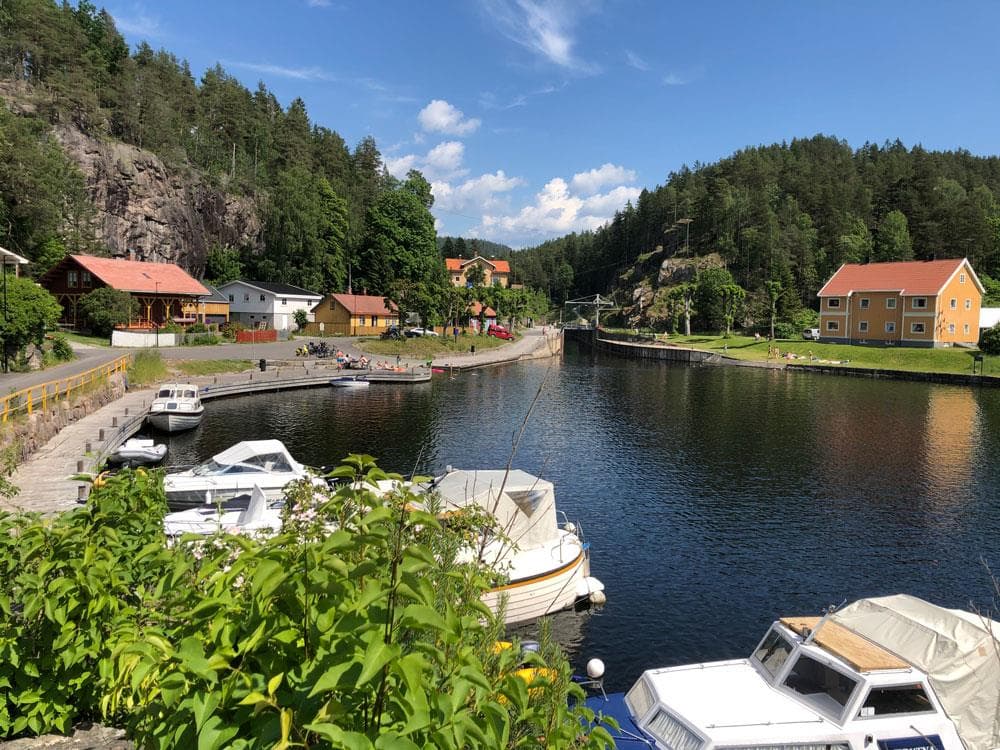
Løveid Lock guest harbor, Skotfoss
3720 Skien

Palma Coffee Corner
Telemarksgate 6, 3743 Skien
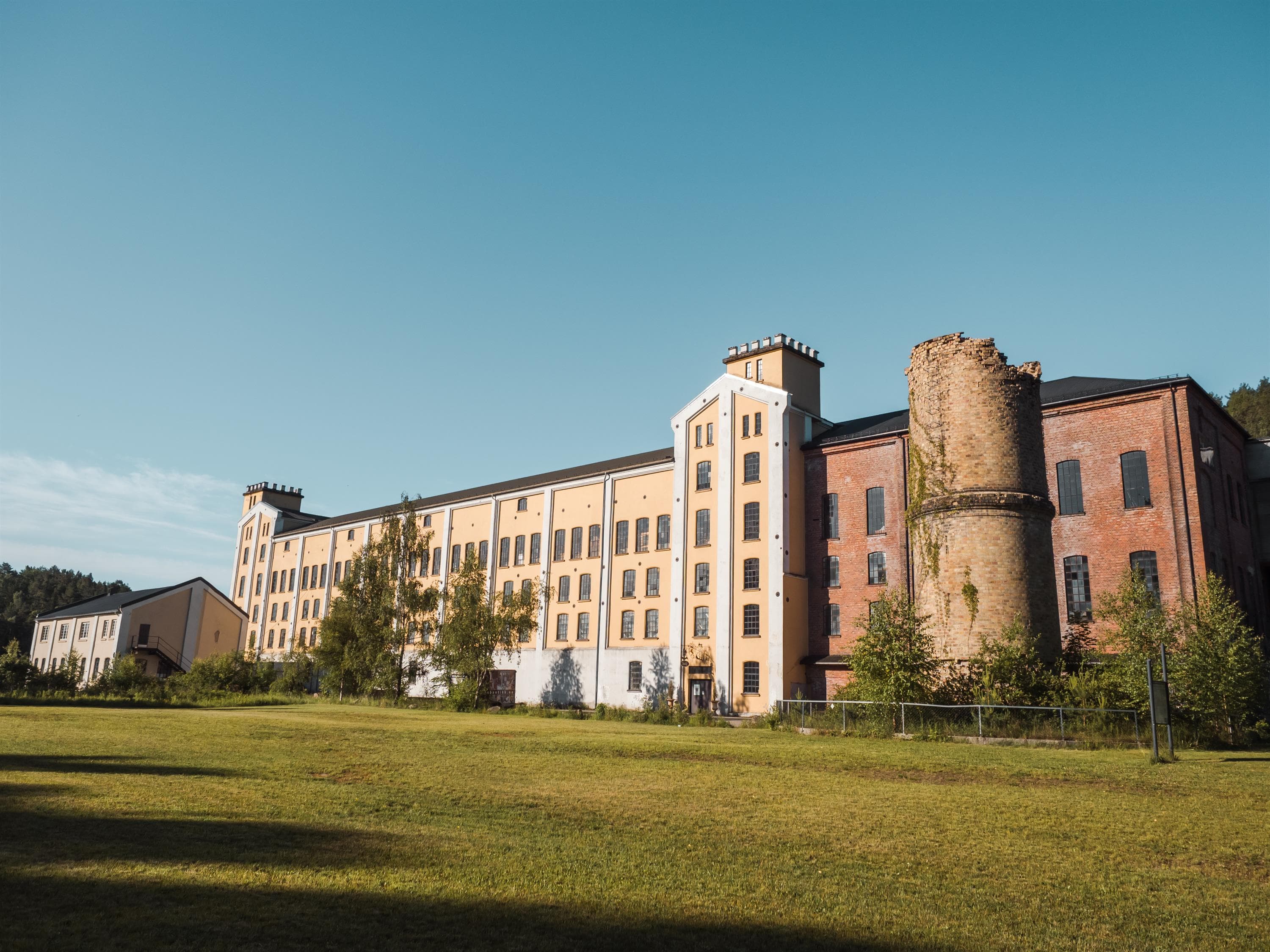
GUB - Gamle Union Brug Antikkk
Skotfossvegen 276, 3720 Skien
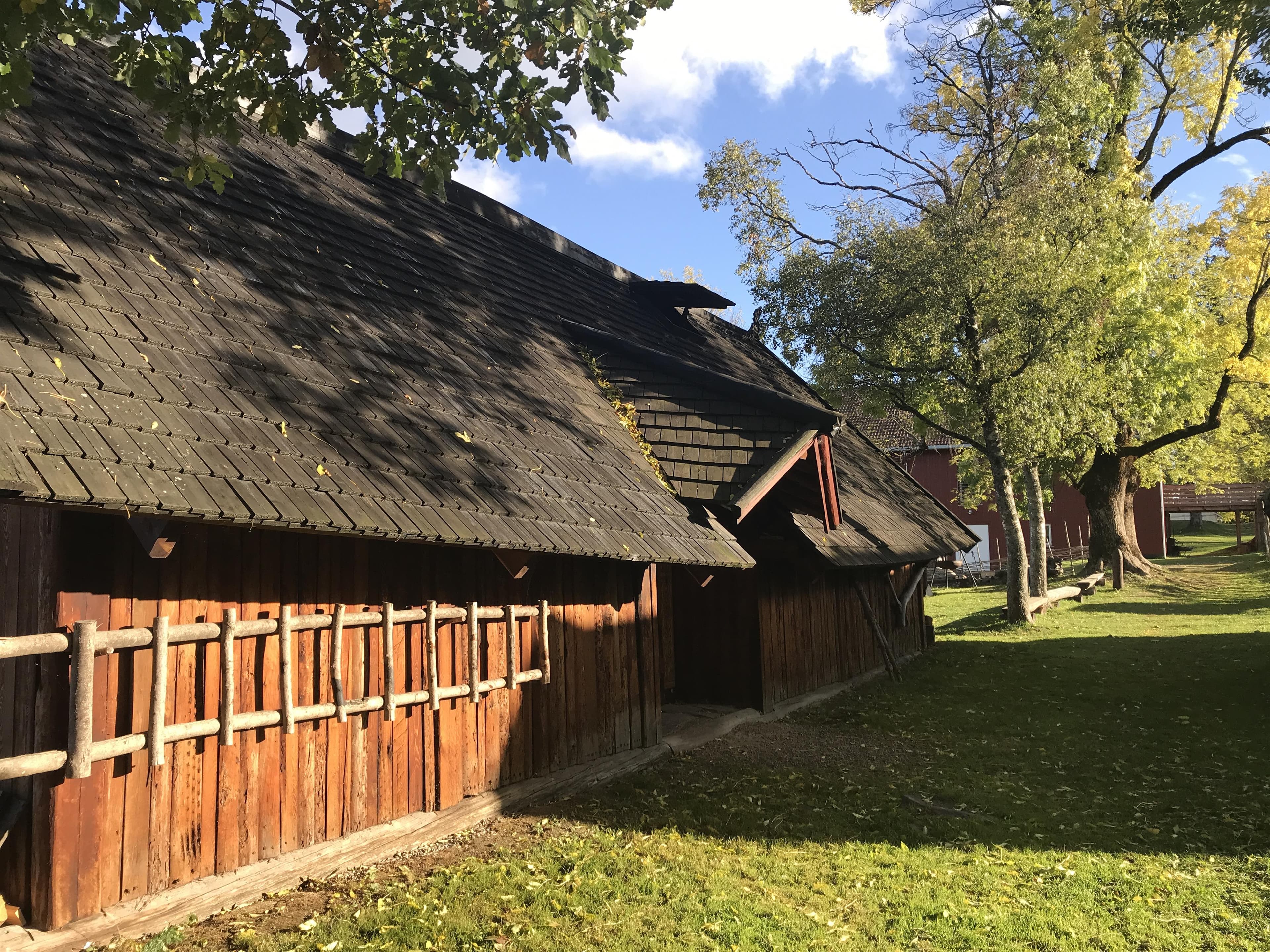
The Ironage-house Århus
Århusvn. 191, 3721 Skien
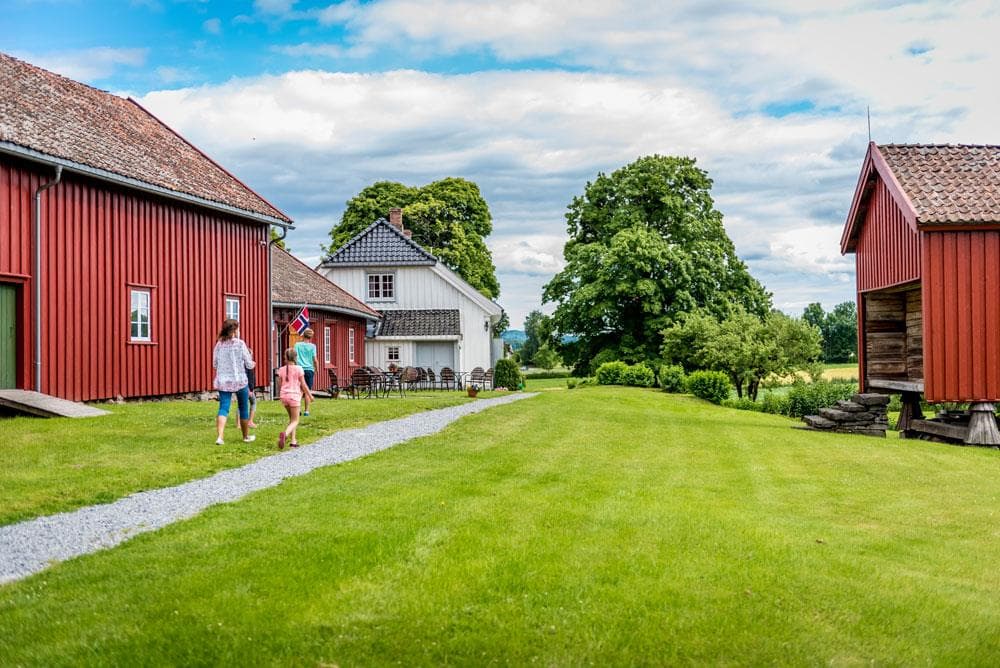
Henrik Ibsen museum
Venstøphøgda 74, 3721 Skien
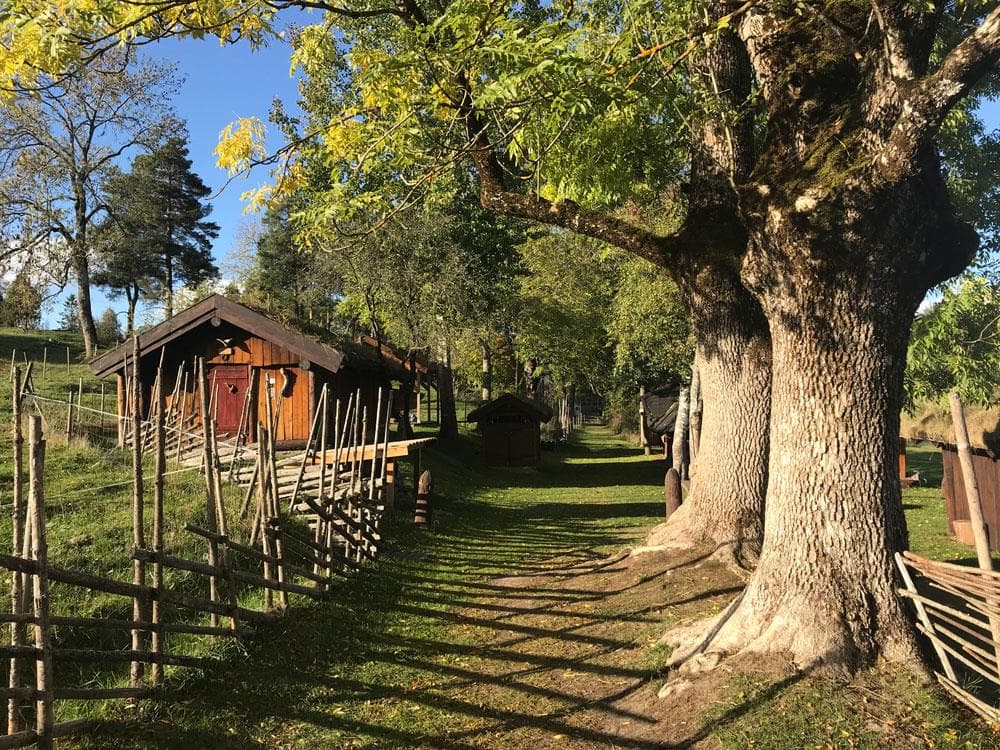
Århus culture track
3724 Skien
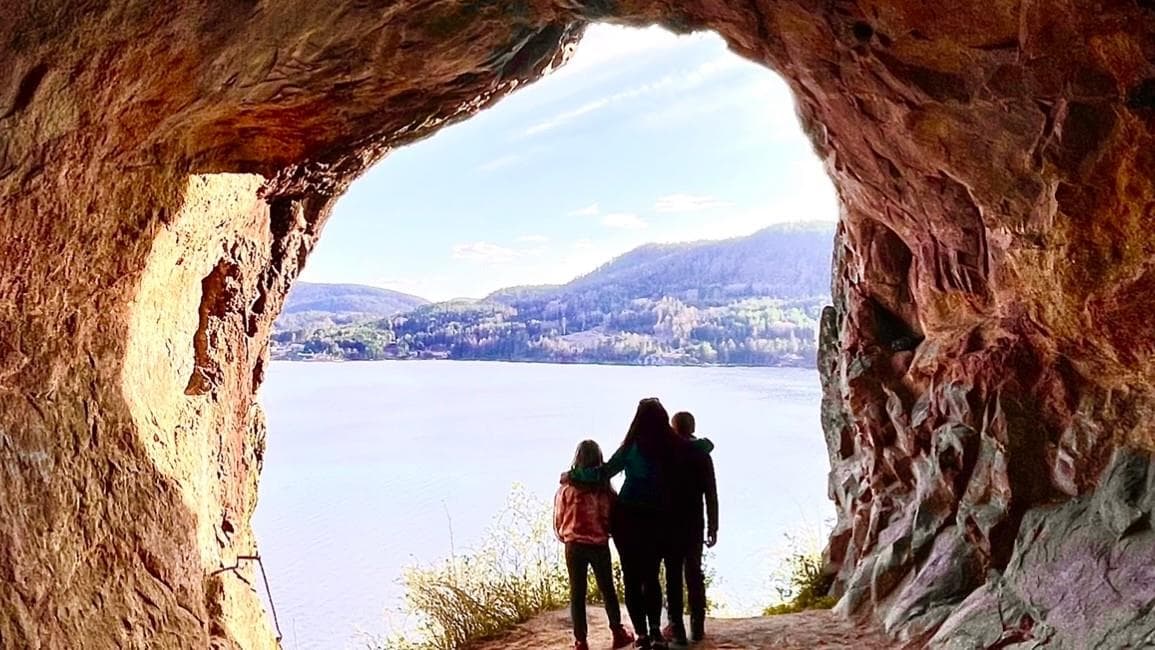
Mikael's cave
3724 Skien
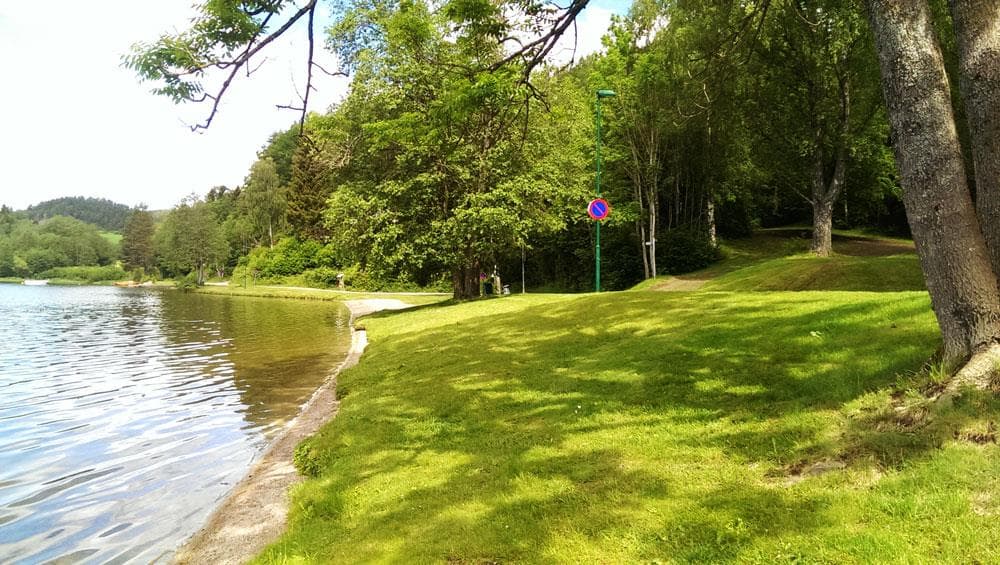
Gåsodden swimming spot
Fjærekilveien, 3729 Skien
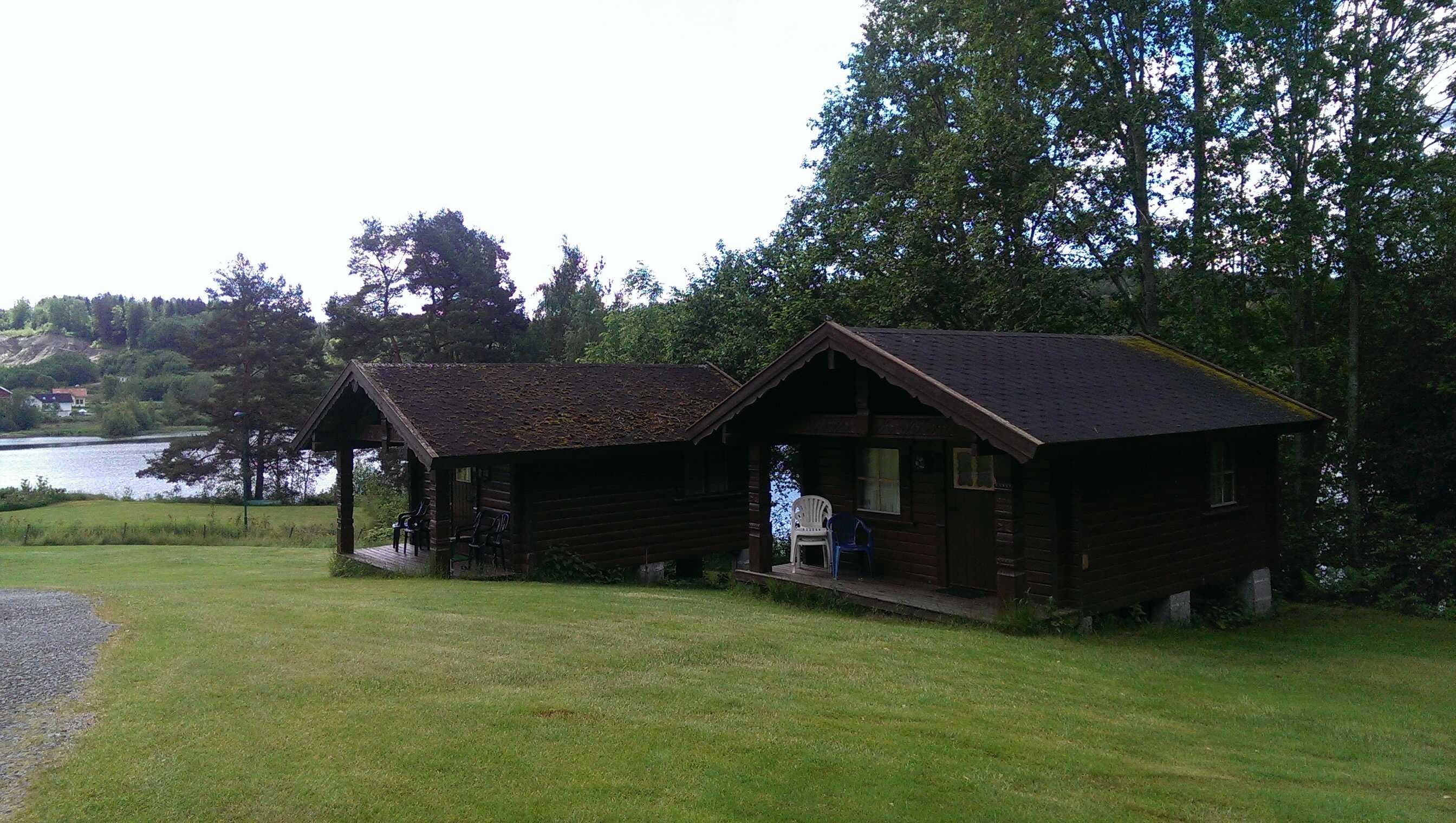
Gåsodden Camping
Fjærekilveien 66, 3729 Skien
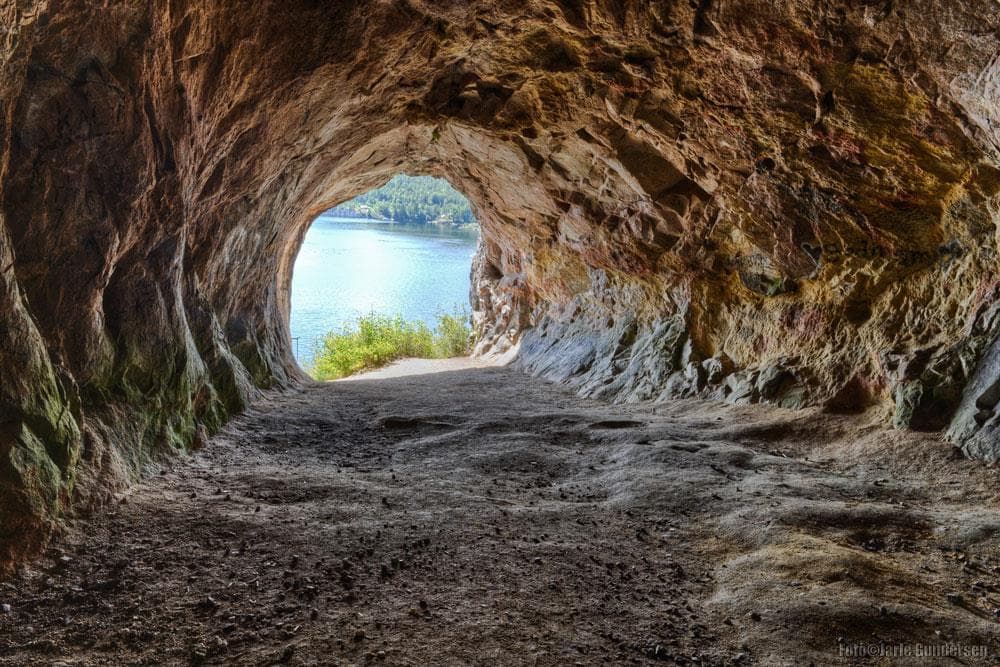
Gea Norvegica Unesco Global Geopark - Mikaelshulen
3721 Skien
Brekka Farm
Elsetvegen 4, 3731 Skien
Bikepacker - Grenland region
3716 Skien
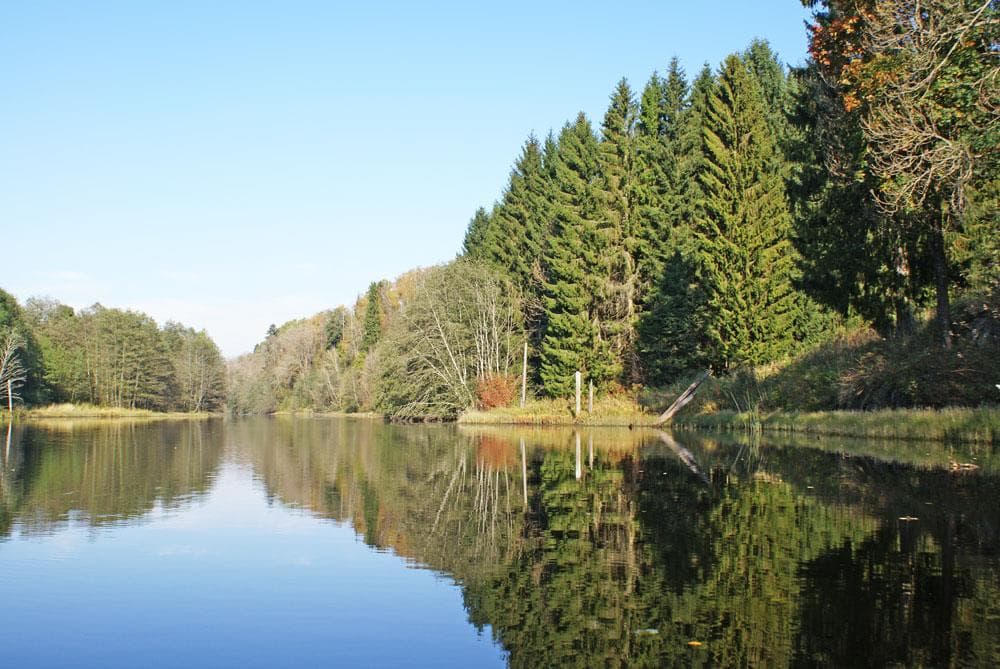
Canoeing in the Falkum river
3724 Skien

Grenland Parachute Club
Flyplassvegen 125, 3729 Skien