Gorningen, Gea Norvegica Unesco Global Geopark
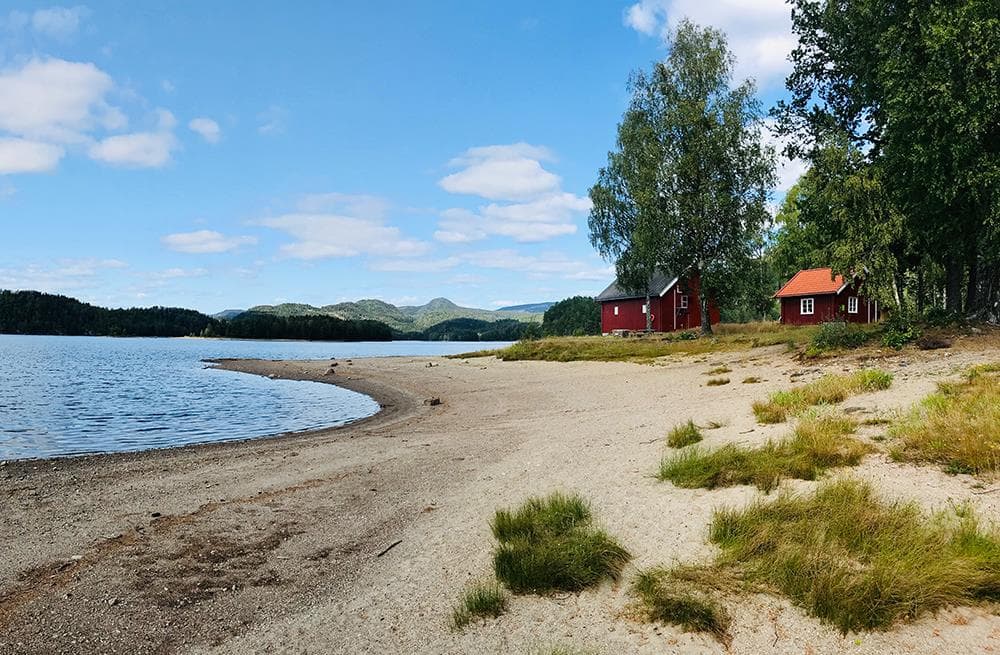
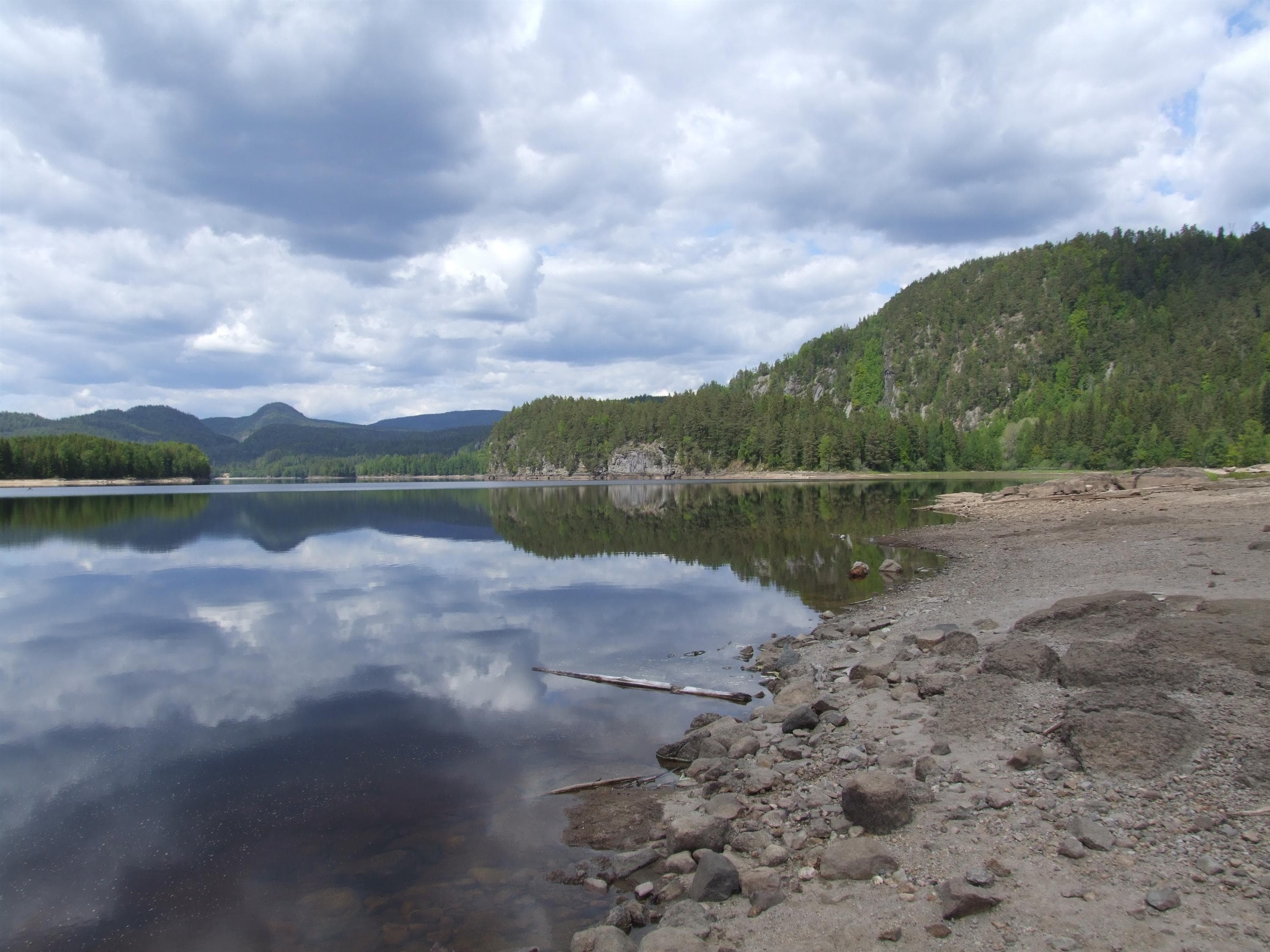
Gorningen, Siljan (Geopark): Explore 10,000 years of history, from early settlement to timber floating. Central to the Gea Norvegica UNESCO Geopark.
About
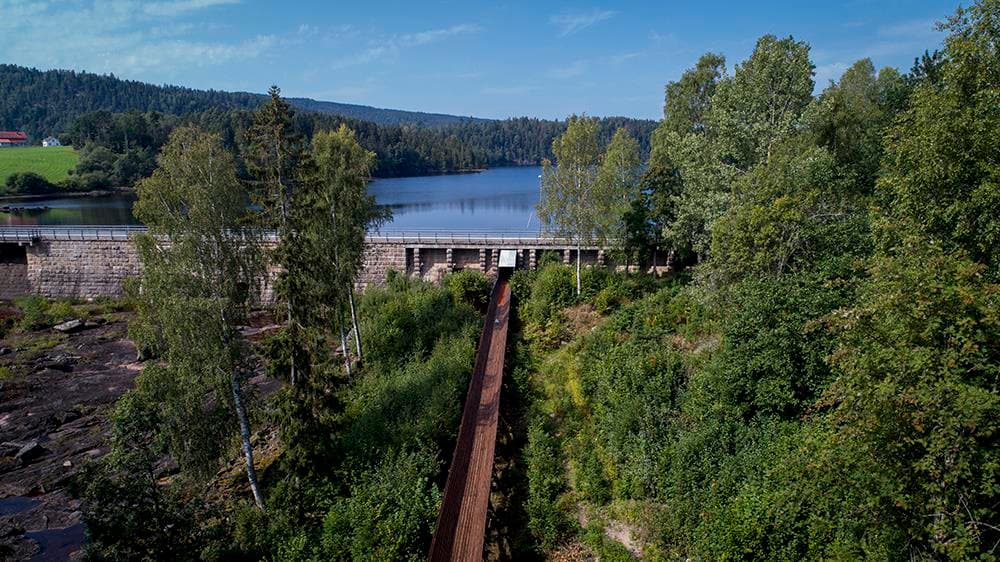
Gorningen in Siljan is more than just a beautiful lake – it is a central historical landscape and part of the Gea Norvegica UNESCO Global Geopark. Explore an area that has been a backbone for the rural community in Telemark for over 10,000 years, from early settlement to the proud lumberjack and timber floating community.
Geopark and Early Settlements
- Gea Norvegica: Gorningen is an important part of the Geopark, which preserves and conveys the region's unique geological and cultural-historical heritage.
- Prehistoric Activity: Finds of settlement sites along the Siljan waterway, such as stone axes from the late Stone Age at Austad and Holte, indicate human activity dating back as far as 10,000 years ago.
- The Village Emerges:
- Bronze Age: Twelve axes from Holte-Kvisla are considered evidence of stable winter settlement from the Bronze Age.
- Agriculture: Pollen analyses show a transition to livestock farming around 1800 BC. Traces of grain cultivation at Torsholt are dated to 440 AD.
- Signs of Growth: Finds like the Burial Mounds (Røyser), Siljuhaugen, and the log boat from Lauv mark a rural community in steady growth until the Black Death, when Siljan fell under Eidanger.
From Timber to Tenant Farming (Leilendingsbygd)
- Economic Shift: Timber export grew in the 16th century, but royal sawmill privileges and the sale of the forest to Larvik Grevskap (County) and Løvenskiold-Fossum in the 17th century reduced the local value of the outlying lands.
- Moholt Iron Works: Farmers and crofters in the valley lived as tenant farmers (leilendinger) and paid their rent through services for the Moholt Iron Works, including logging, charcoal burning, and carting coal.
- End of Crofts: Around World War I, the time was up for the crofts (husmannsplassene), and many had to buy or lease their farms, leading to the disappearance of many smallholdings.
The Timber Floating History: Siljan's Backbone
Gorningen played a key role in one of Norway's most intense forestry and timber floating histories:
- The Timber Chute: The historic timber chute between Gorningen and Lakssjø stands as an important monument to the timber floating history that lasted from 1736 to 1969.
- The Core of Fritzøe Estate: Formidable volumes of timber from Siljan and Mykle were floated through the waterway, which constituted an economic backbone for the Fritzøe Estate (Fritzøegodset).
- Strong Lumberjack Community: Around 1910, Siljan was known for having one of the country's strongest lumberjack communities.
- National Organization: The Slemdal Strike in 1910 challenged old patterns and became a national symbol for organization and wage struggles, laying the foundation for the development of the national community in rural Norway.
Contact
post@geanor.no
Location
Practical information
- Other attractions
Nearby events





"En Showgirls bekjennelse" med Guri Schanke – 12. november på Quality Hotel™ Skjærgården
Stathelleveien 35, 3970 Langesund





Kunnskap på storskjerm: Da imperiet falt - en historisk reise gjennom Østerrike
Krabberødstrand 14, 3960 Stathelle


Barnas Jul med Erik & Kalle - 29.desember på Quality Hotel™ Skjærgården
Stathelleveien 35, 3970 Langesund


Related
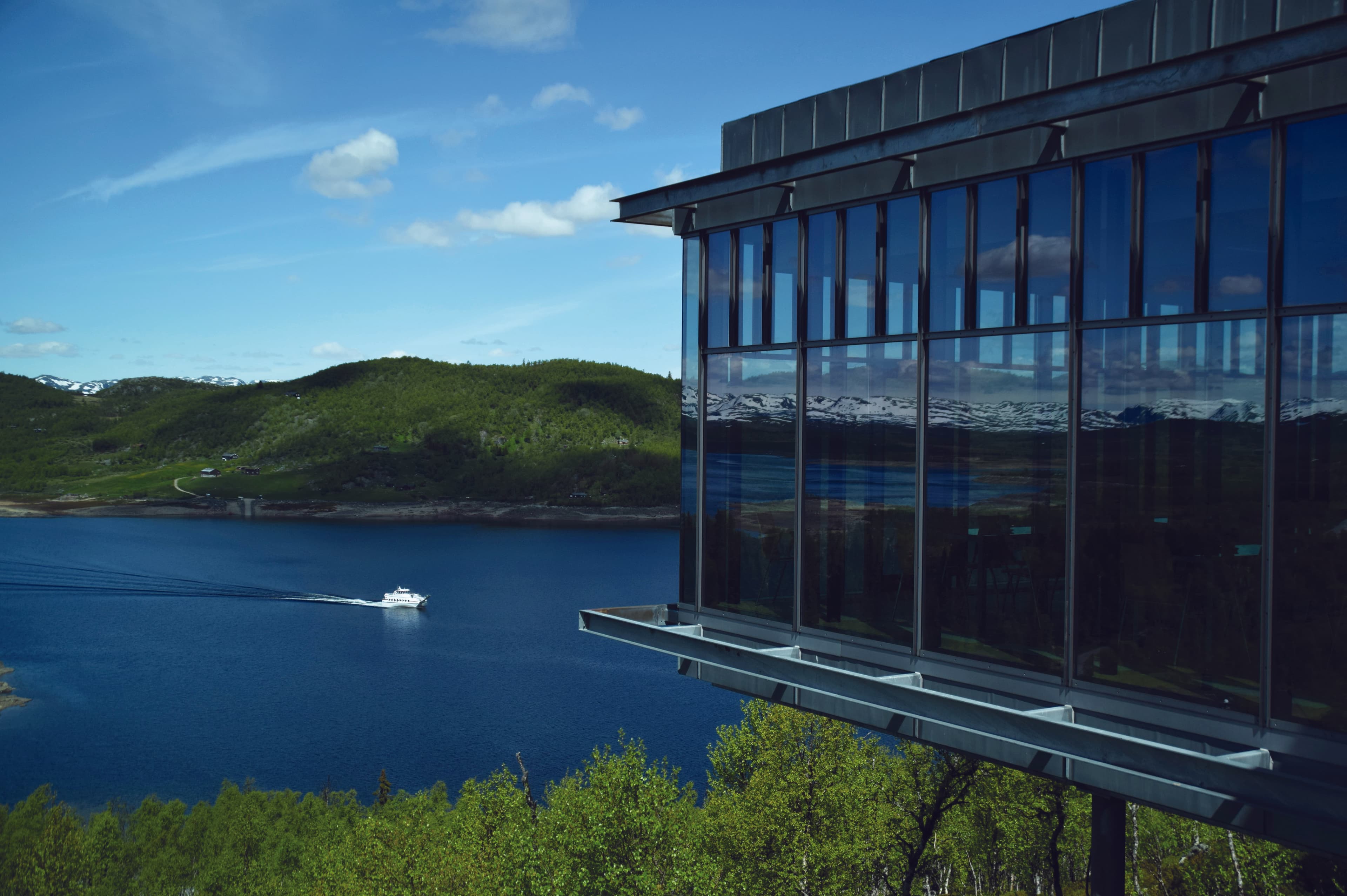
Hardangervidda National Park Visitor Centre
Møsvannsveien 1149, Rjukan
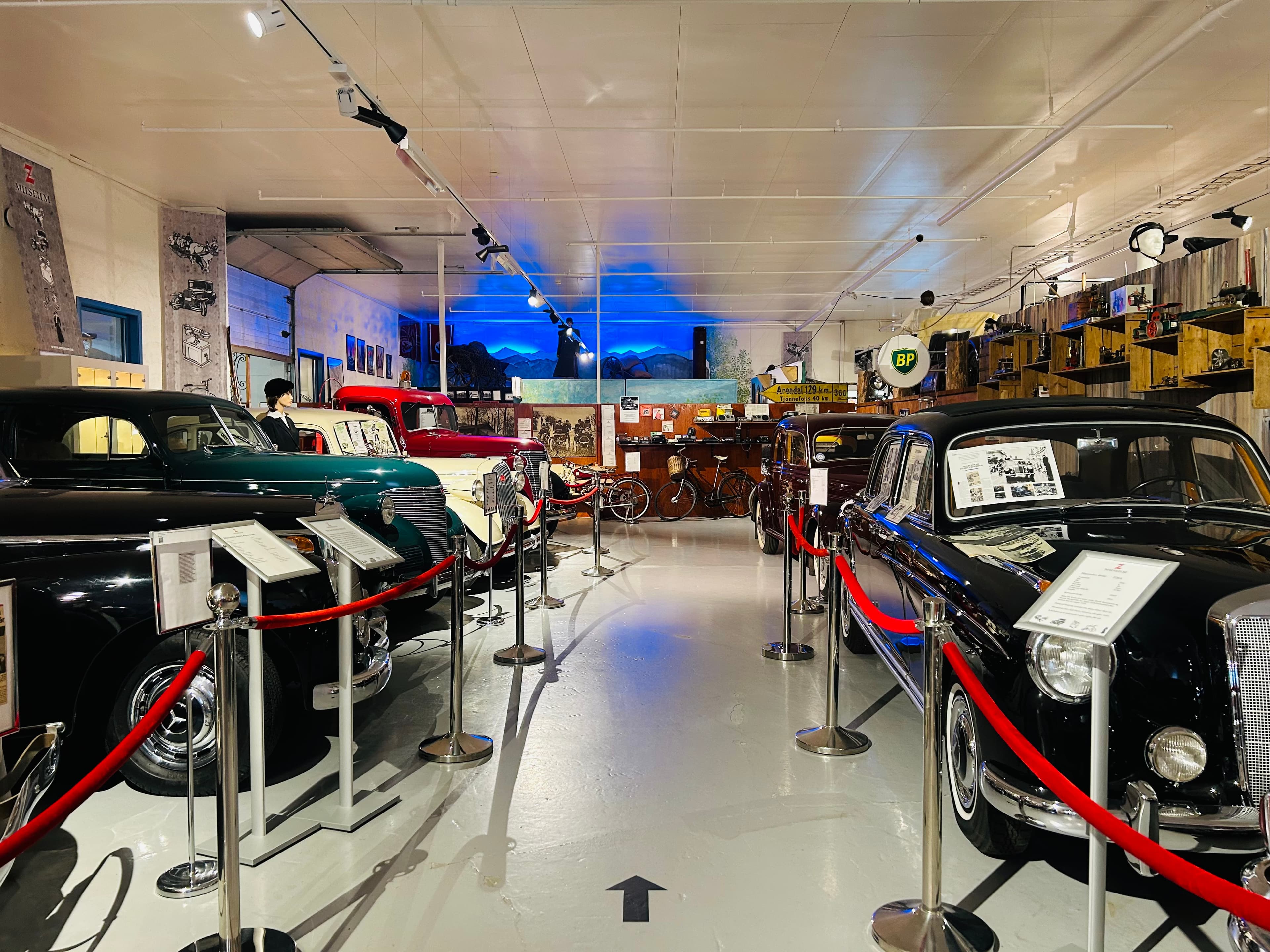
Z Museum in Treungen
Sundsmoen 27, 3855 Tveitsund
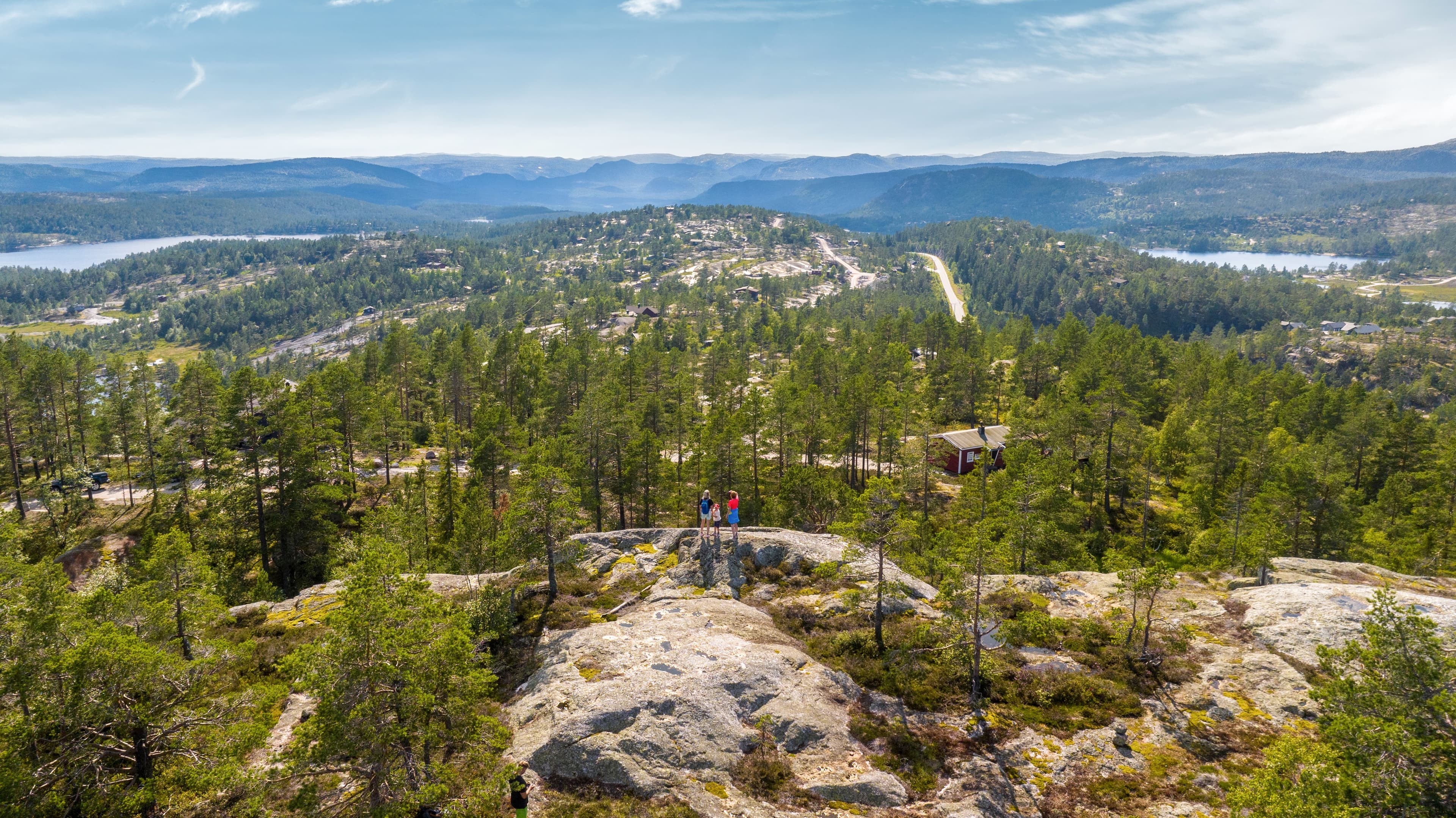
Guided hike with the landowner at Gautefallheia Sverre Tveit
Felehovet Sør 1, 3855 Treungen
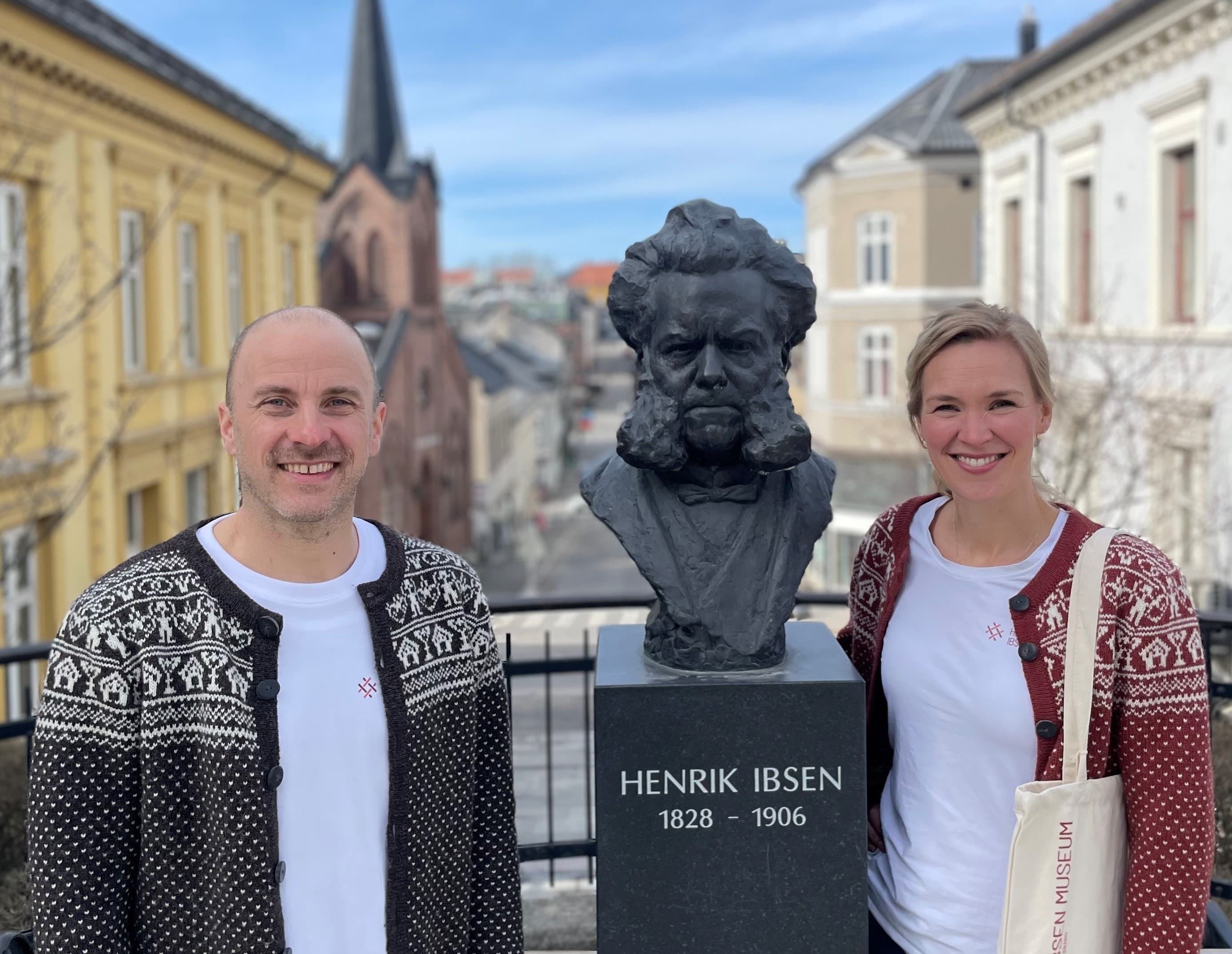
In the Footsteps of Ibsen in Skien
Øvregate 32a, 3715 Skien
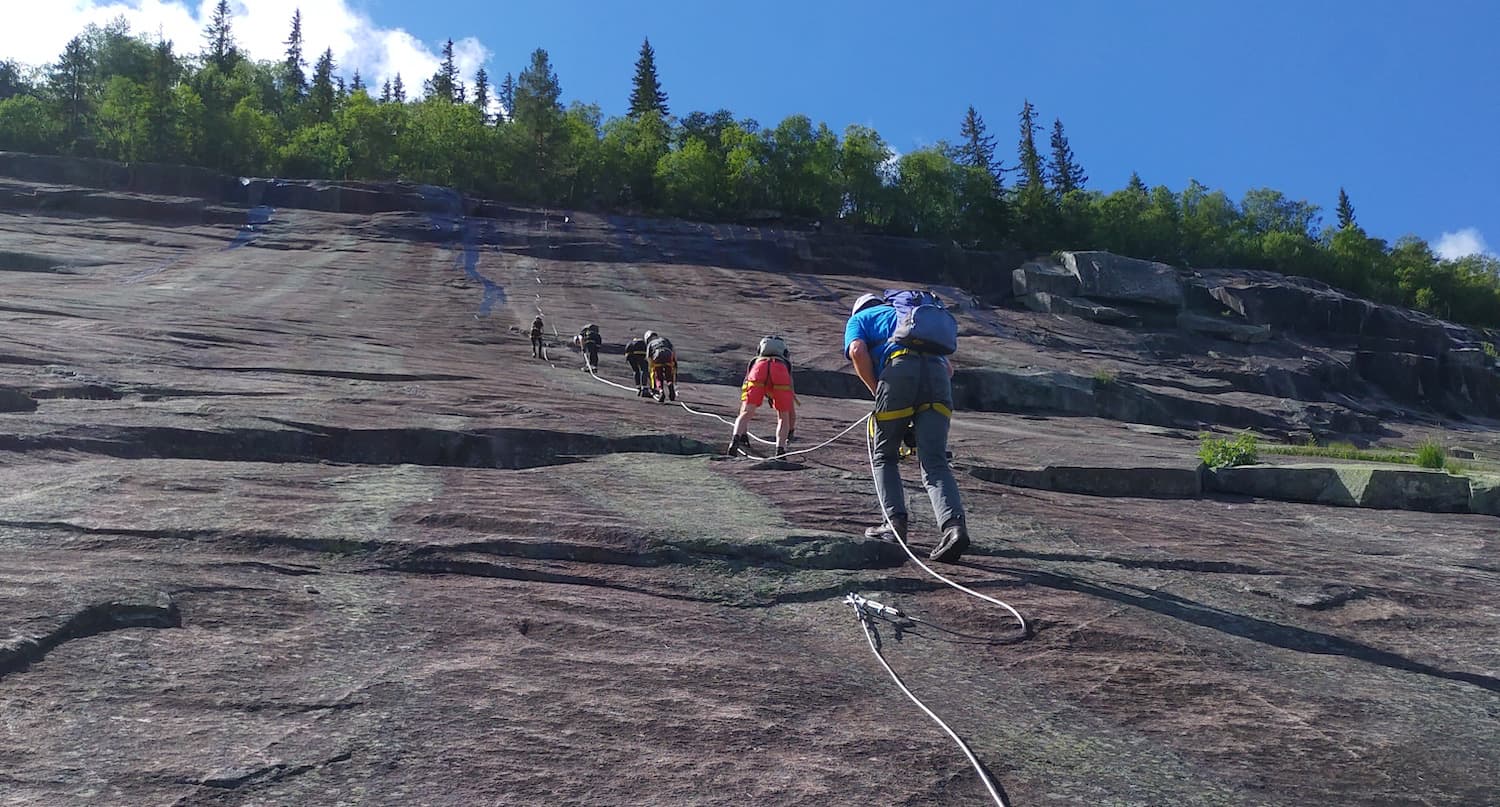
Via Ferrata in Fyresdal
Telemark Camping, Fyresdal, Norge
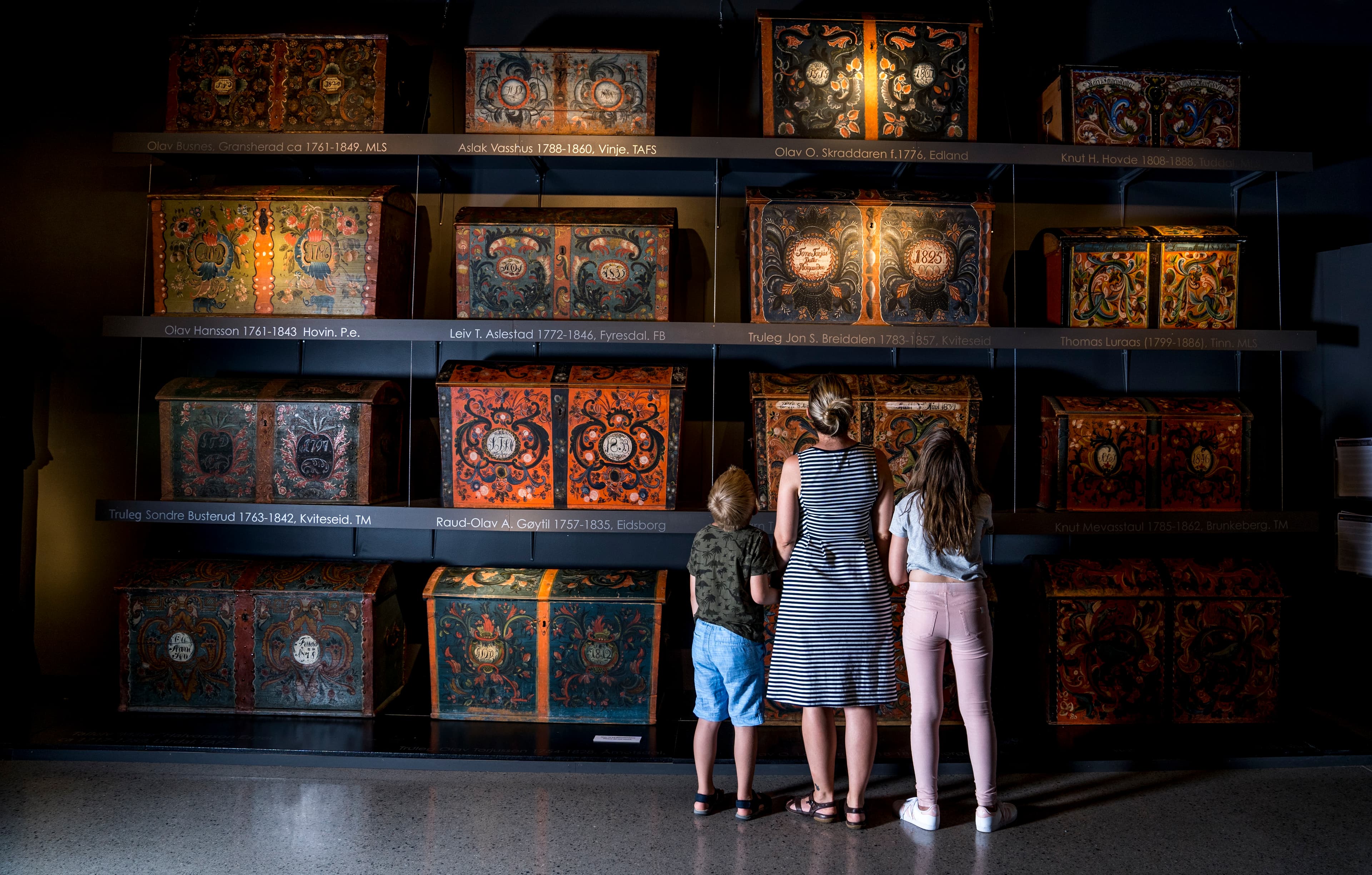
Entrance Ticket – Vest-Telemark Museum with Eidsborg Stave Church
Museumsvegen 9, 3891 Høydalsmo
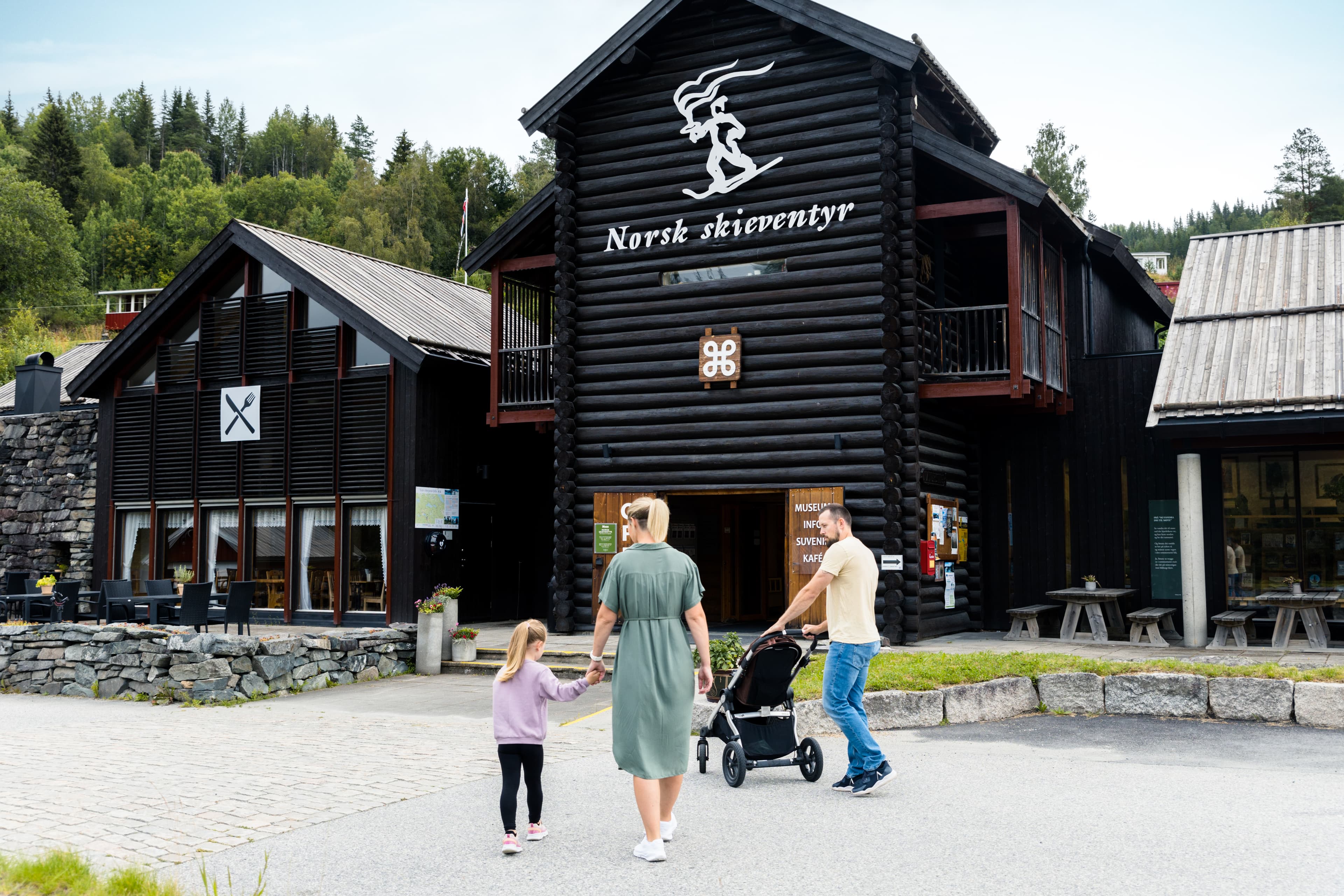
Admission Ticket – Norwegian Ski Adventure, Morgedal
Morgedalvegen 159, 3848 Morgedal
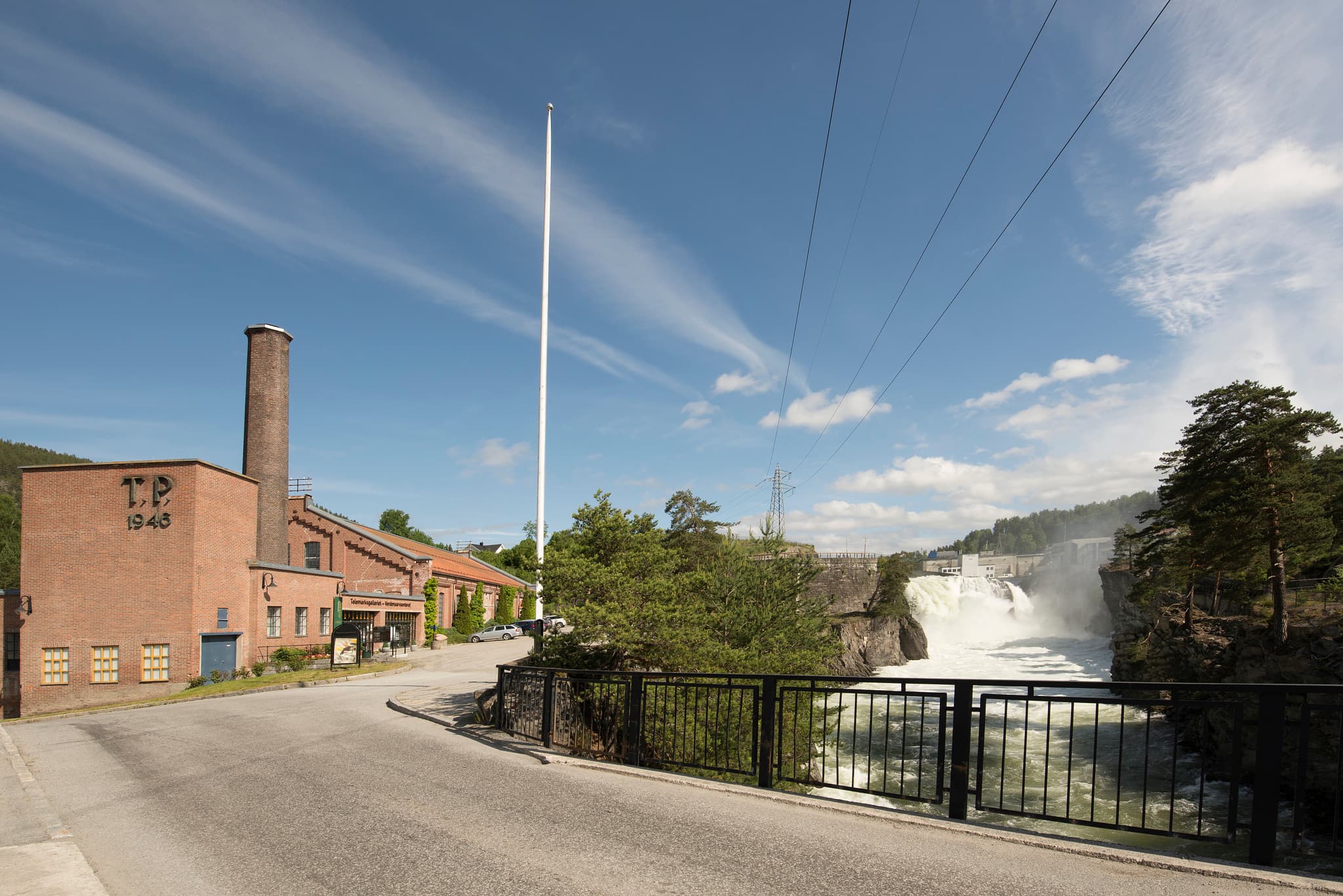
Entrance to Telemark Kunstmuseum
O. H. Holtas gate 27, 3678 Notodden
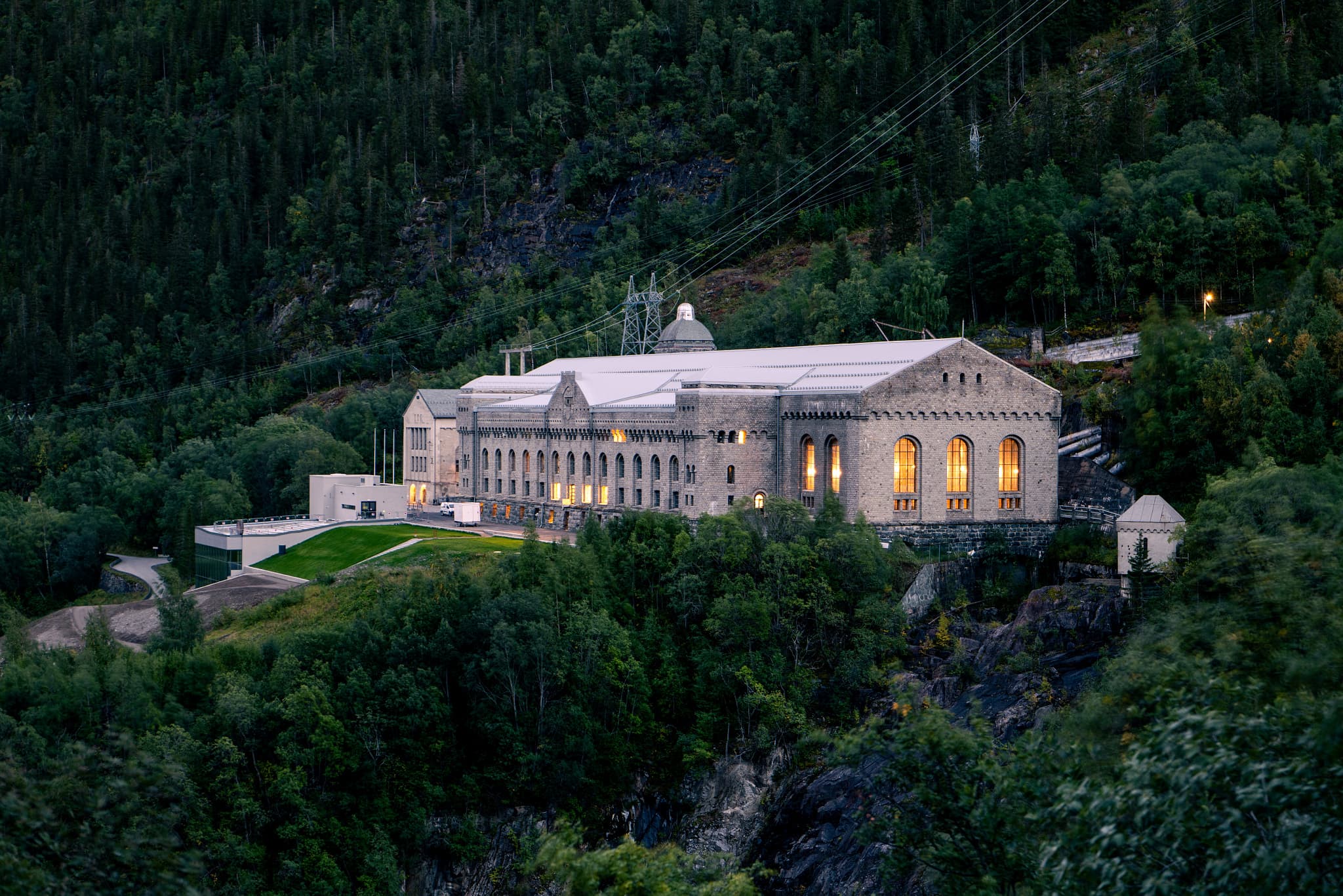
Entrance to The Norwegian Industrial Workers Museum - Vemork
Norsk Industriarbeidermuseum Vemork, 3660 Rjukan

One-Day Ticket: Brekkeparken – Telemark Museum
Telemark museum, Øvregate 32a, 3715 Skien
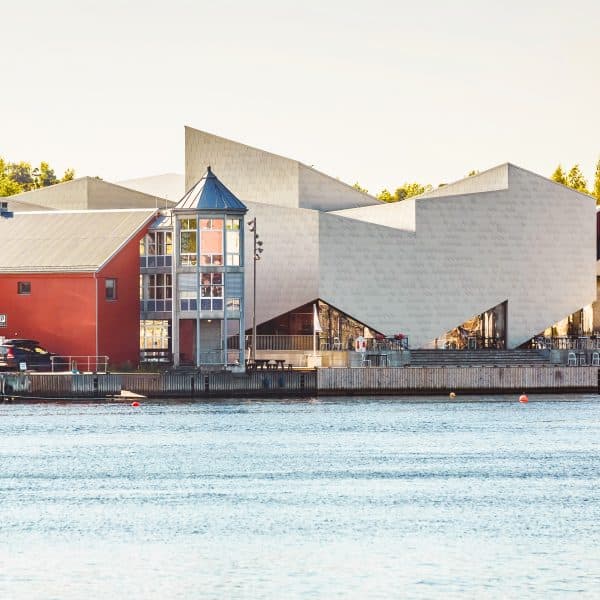
DuVerden Maritime Museum & Science Centre – Porsgrunn
Tollbugata 23, 3933 Porsgrunn

One-Day Ticket to the Porcelain Museum - Telemark Museum
Porselensvegen 6b, 3920 Porsgrunn
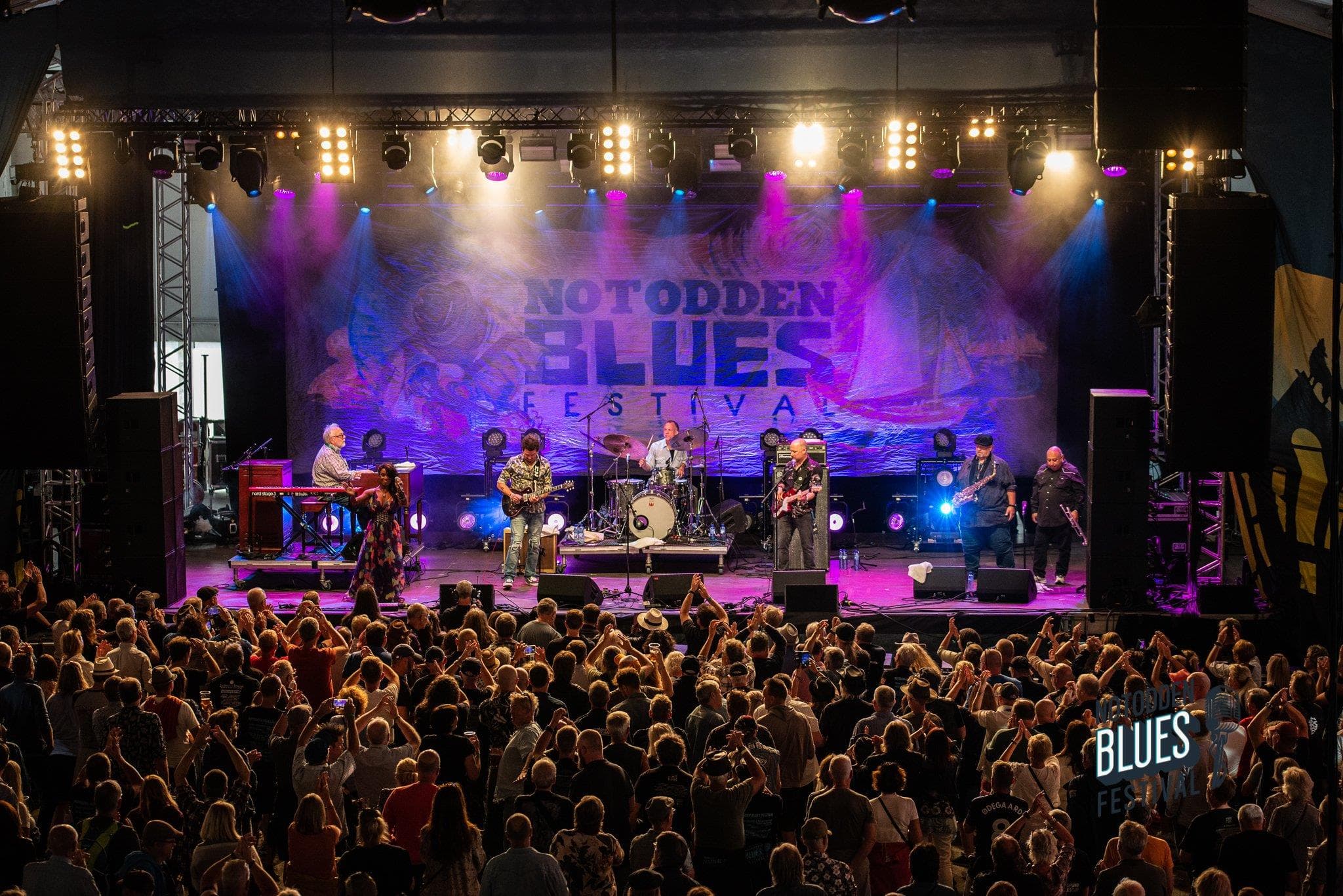
Notodden Blues Festival
Storgata 1, 3676 Notodden
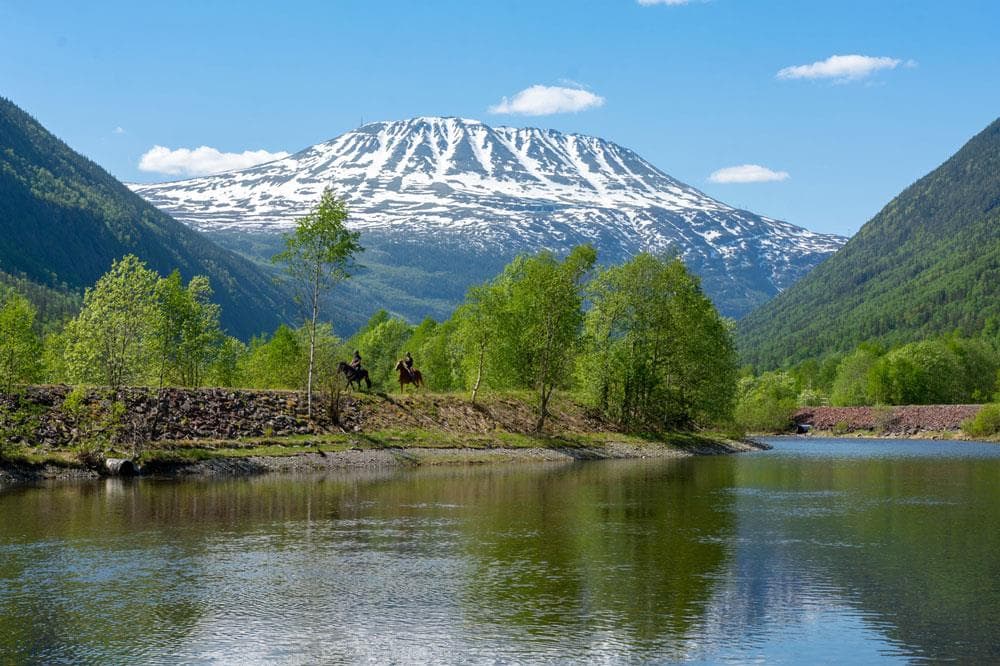
Gaustatoppen
Stavsro, 3660 Rjukan

Bø Sommarland Waterpark
Steintjønnvegen 2, 3800 Bø i Telemark
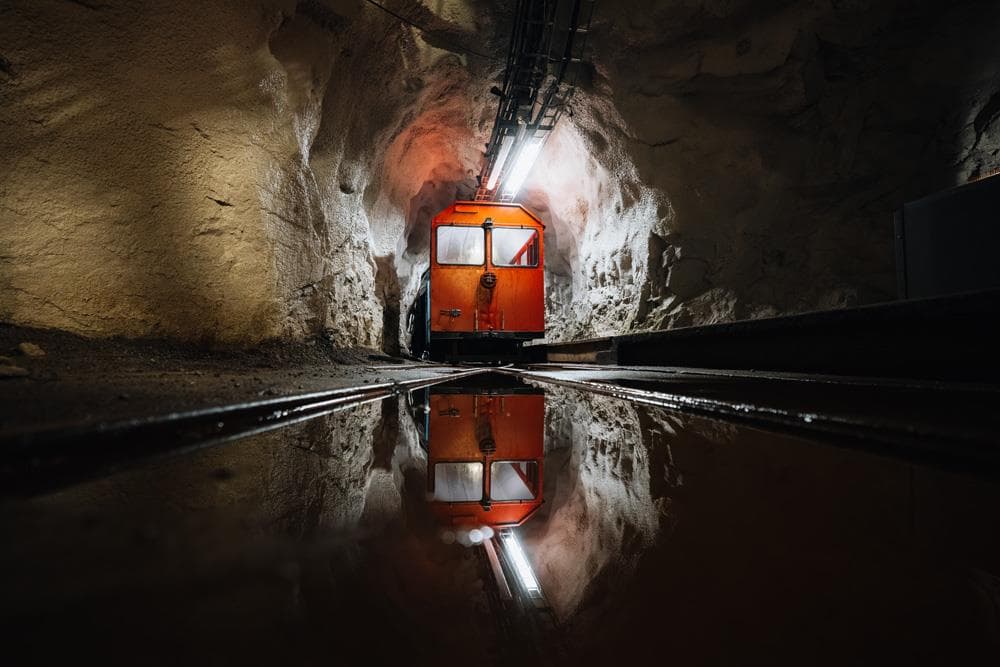
Gaustabanen
Langefonn, 3660 Rjukan
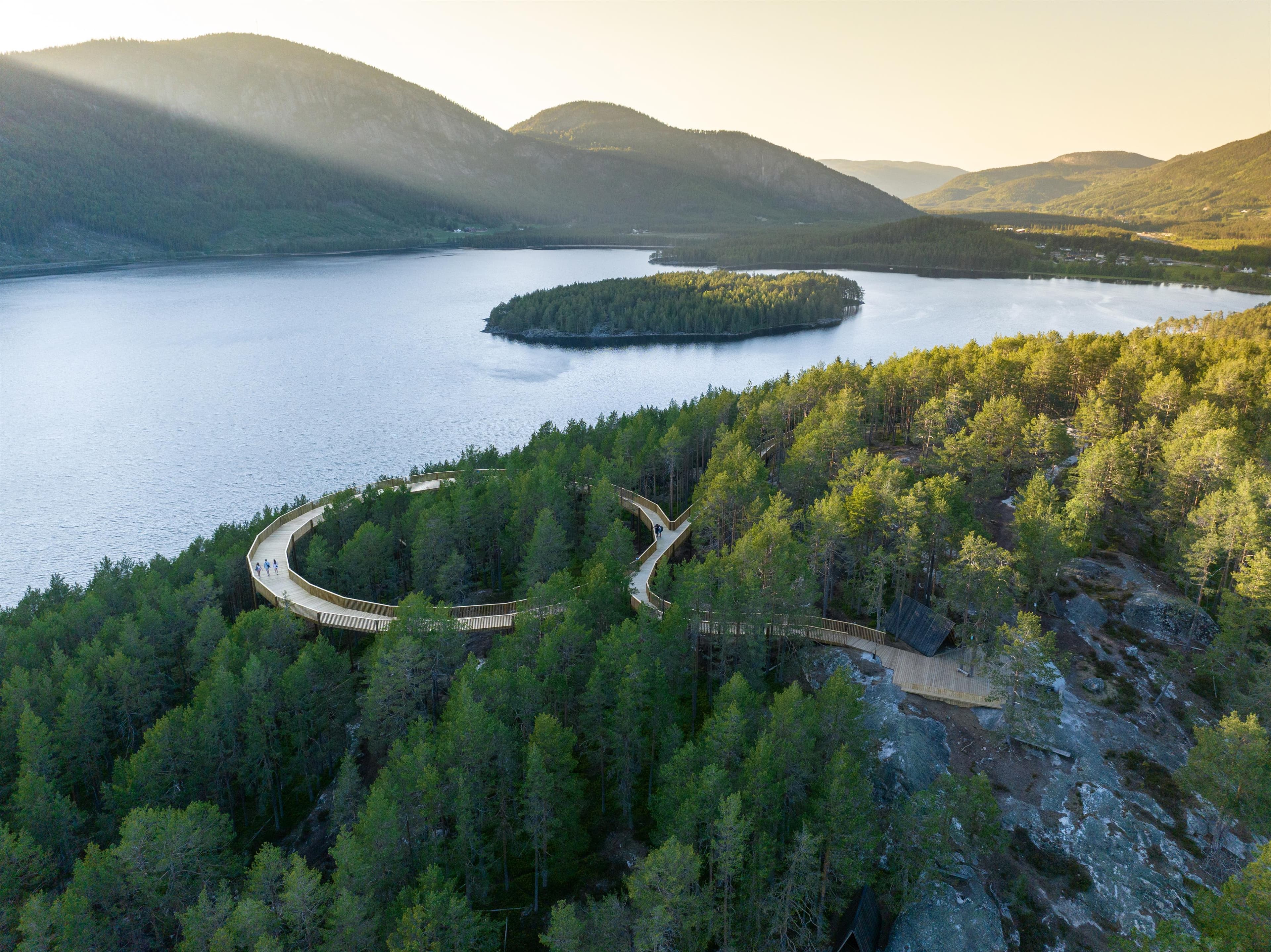
Hamaren
3870 Fyresdal
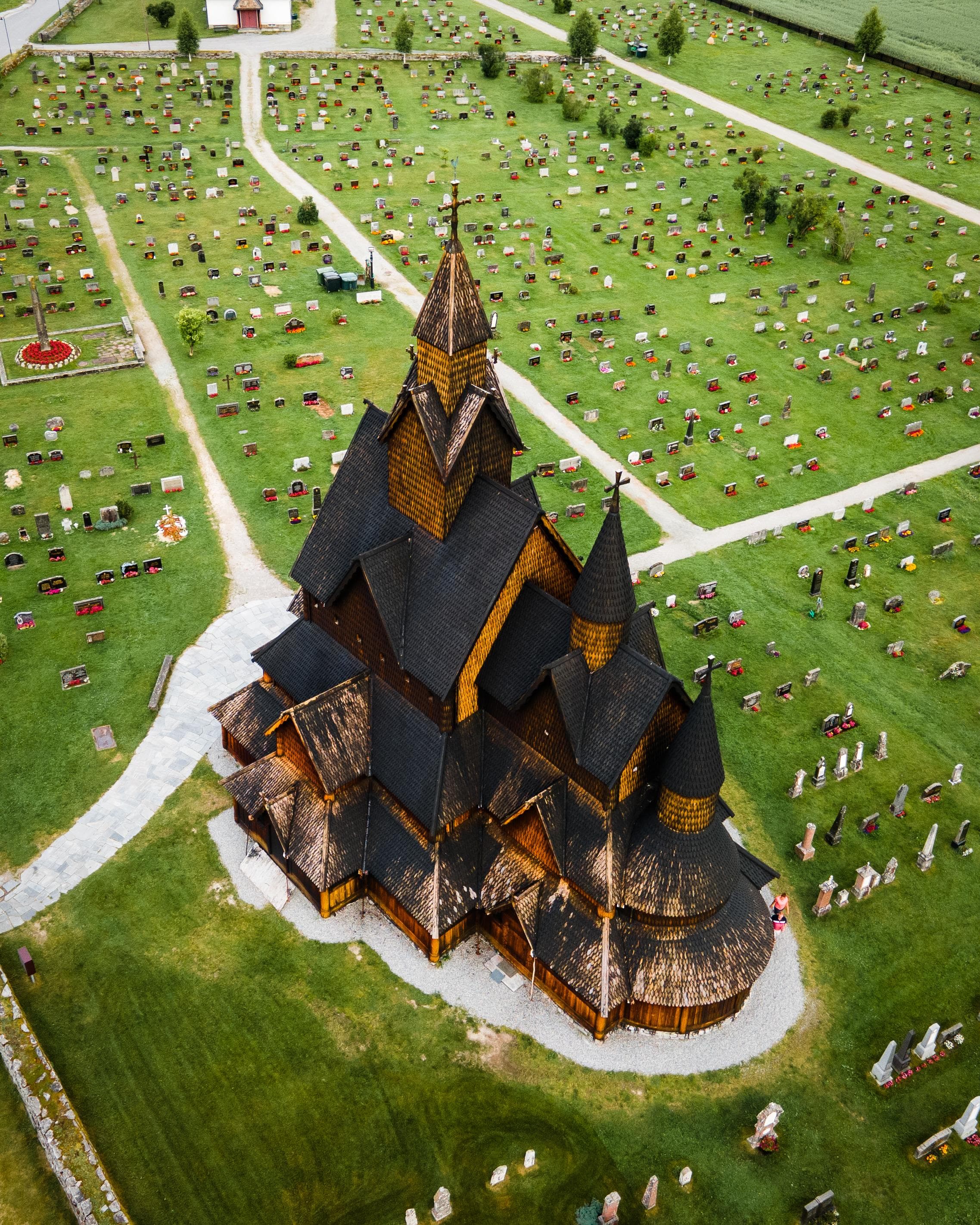
Heddal Stave Church
Heddalsvegen 412, 3676 Notodden
Nearby activities
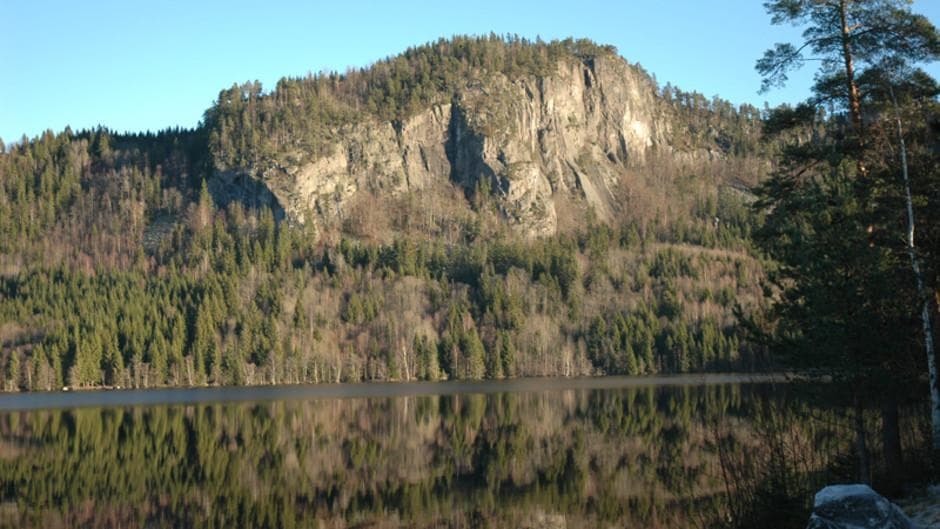
Øvrebøtjern, Gea Norvegica Unesco Global Geopark
3748 Siljan
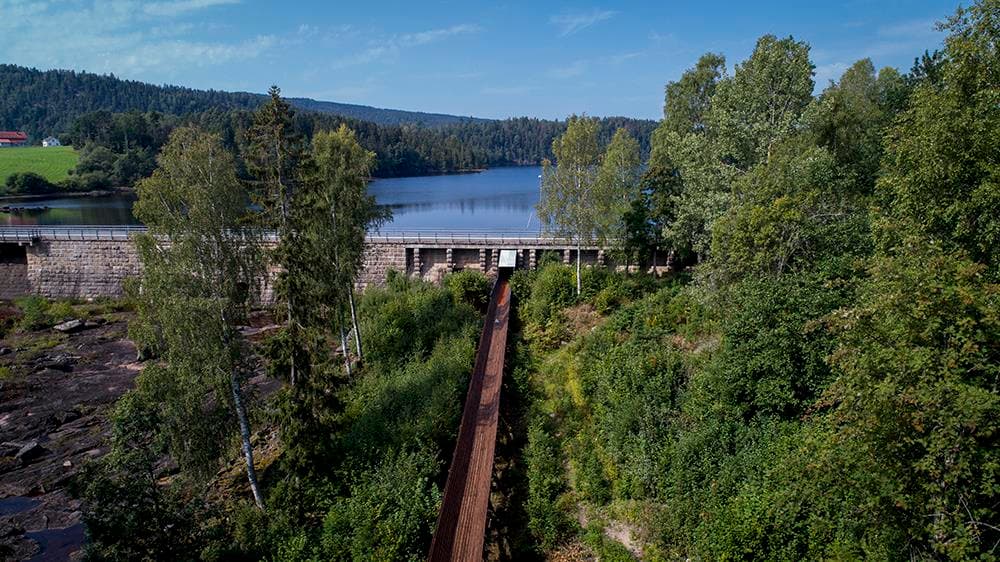
Timber slide in Siljan
3748 Siljan
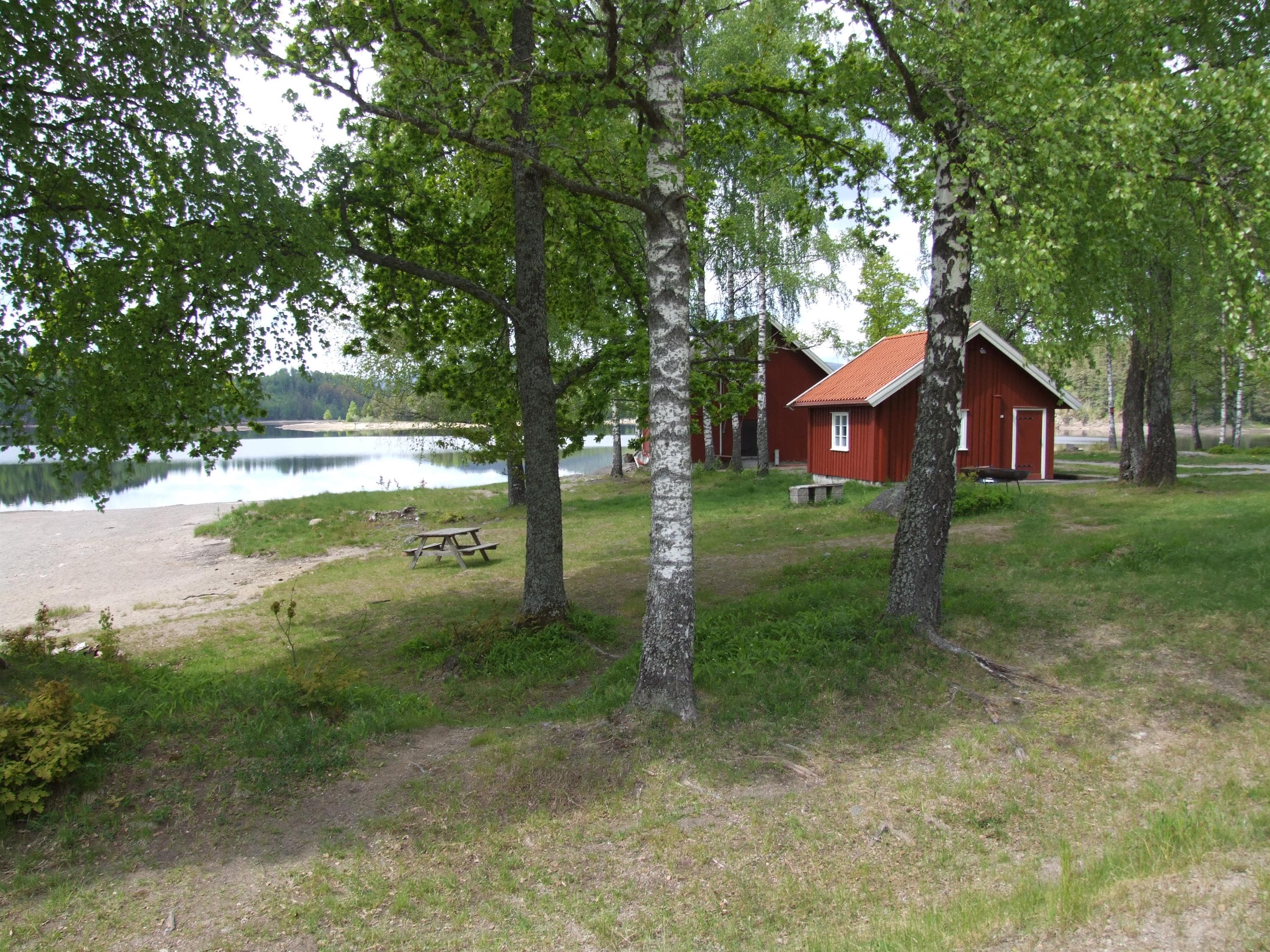
Damstua - Siljan
3748 Siljan
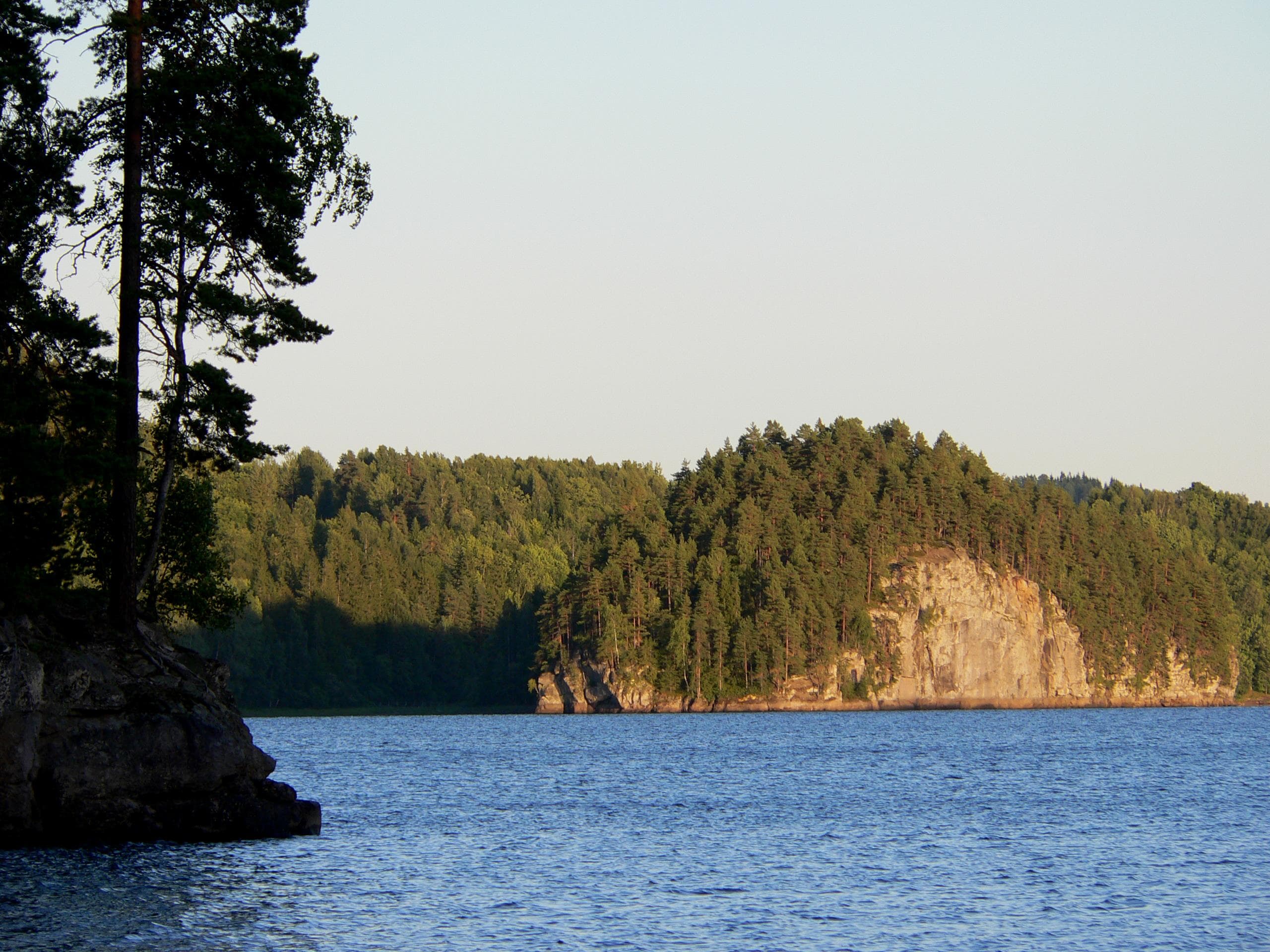
Bygdeborgen "Børja" ved Gorningen
3748 Siljan
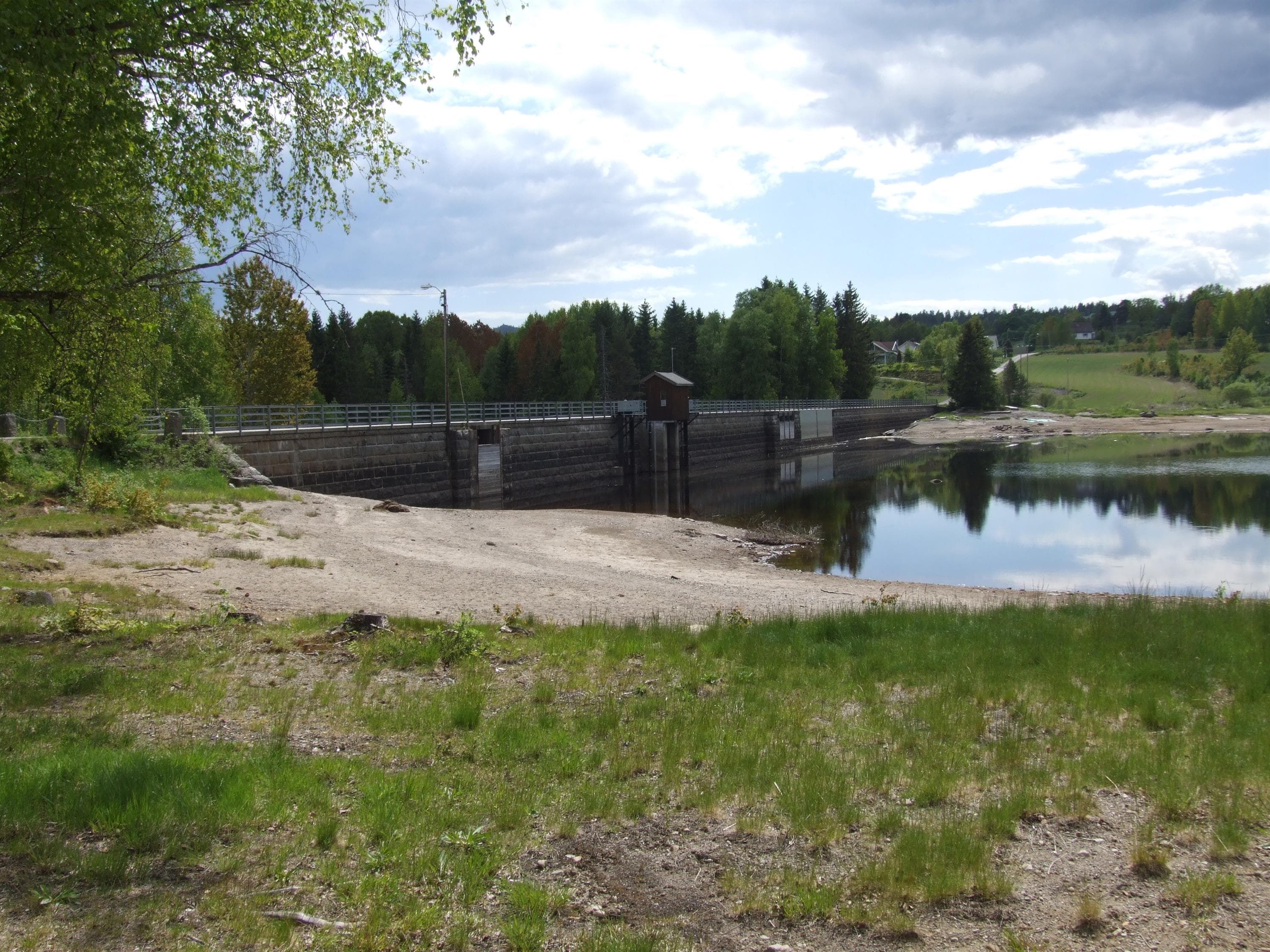
Gorningen swimming spot
3748 Siljan
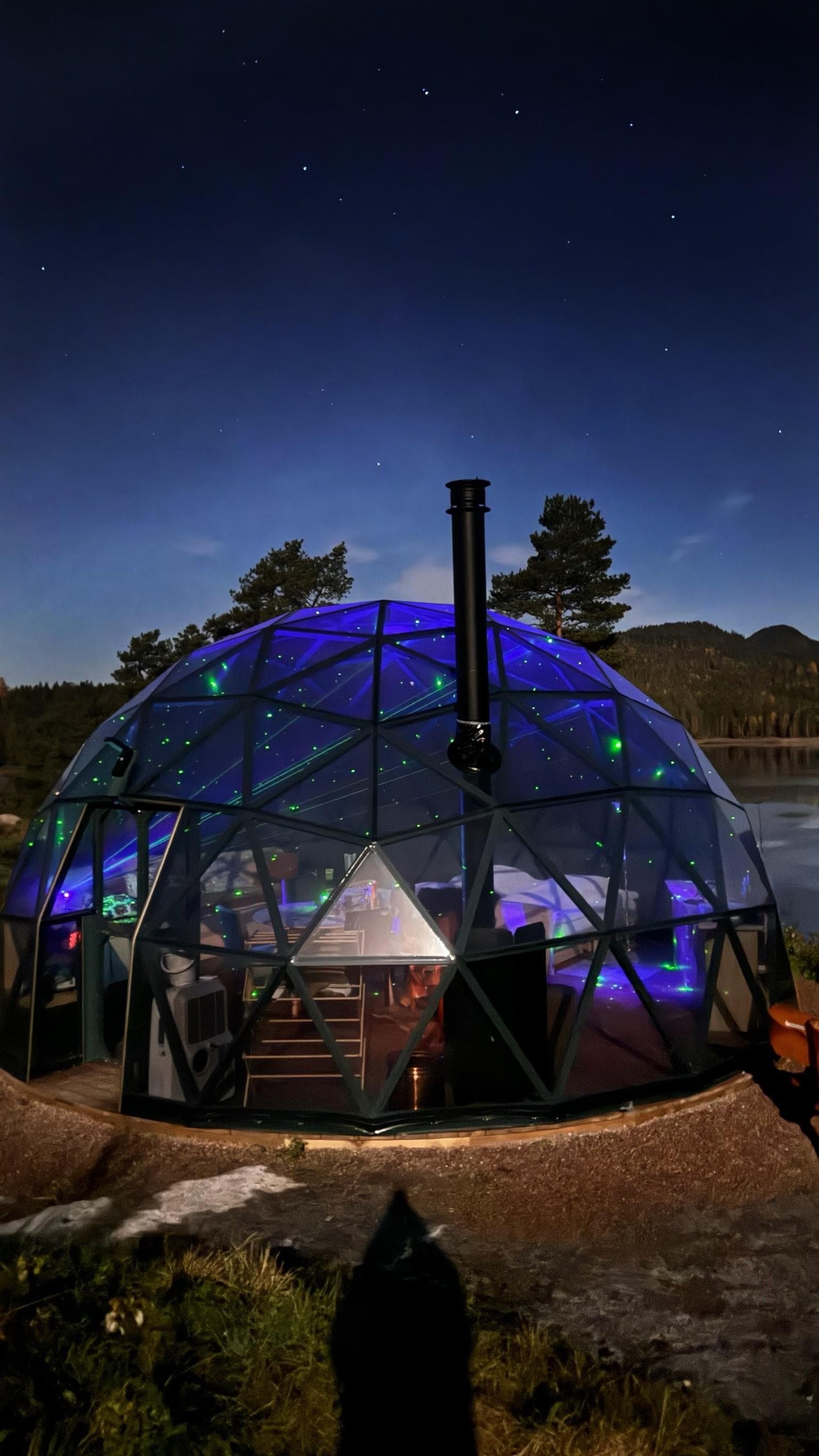
Ro Himmelhytter
Gonsholtveien 50, 3748 Siljan
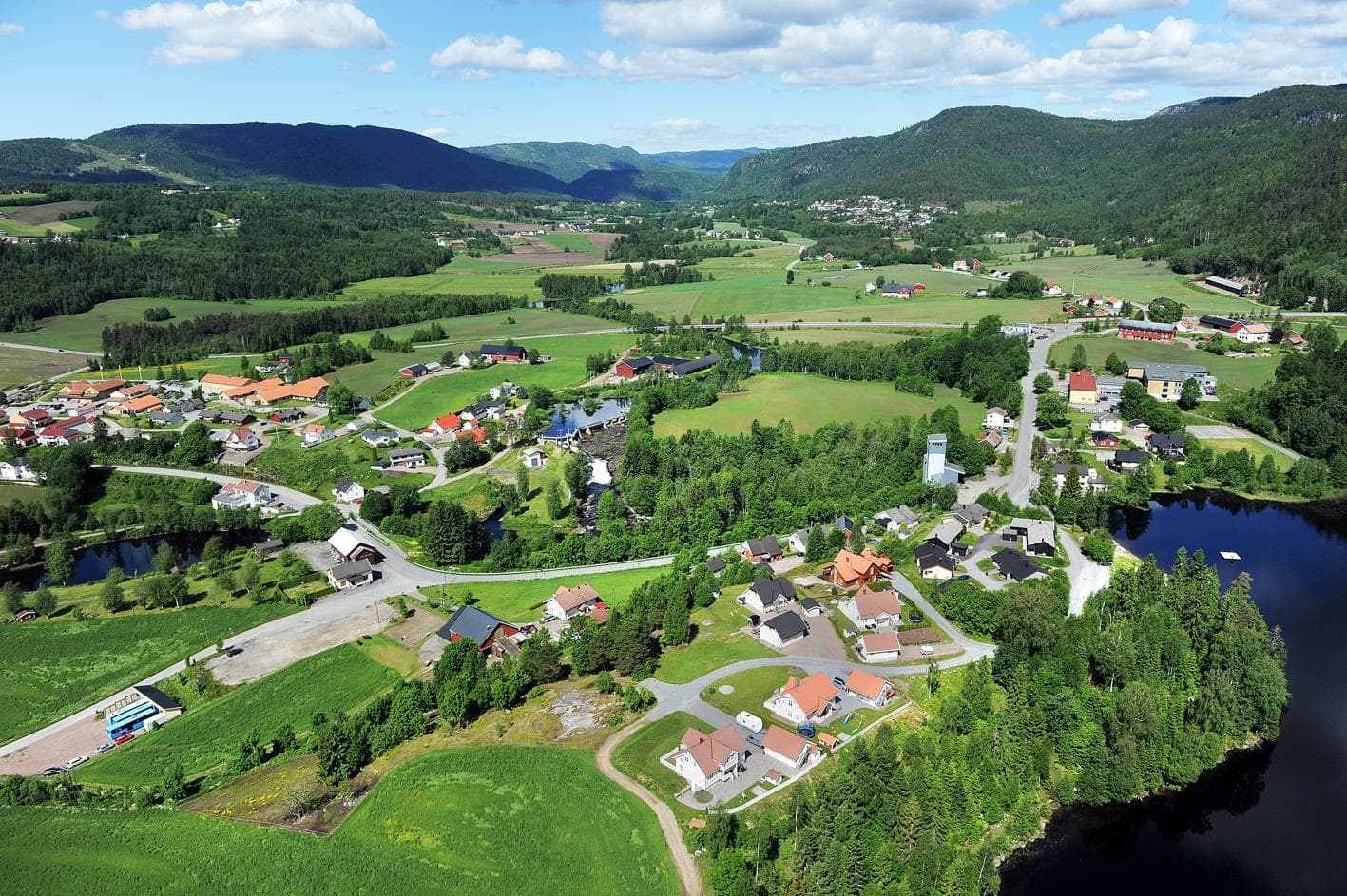
Top trip to Østre Vealøs from Siljan
3748 Siljan
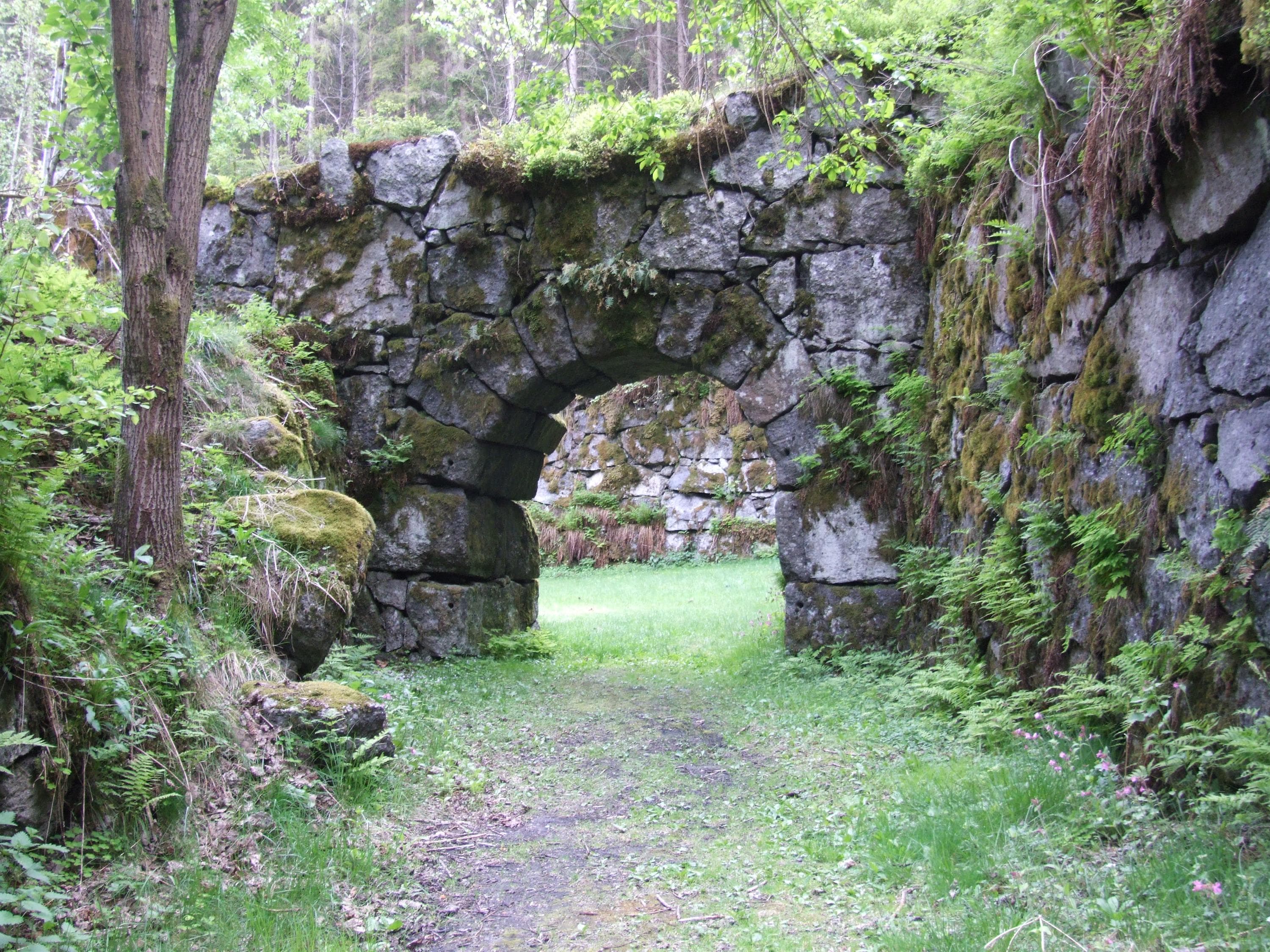
Moholt Ironworks
Eidet, 3748 Siljan
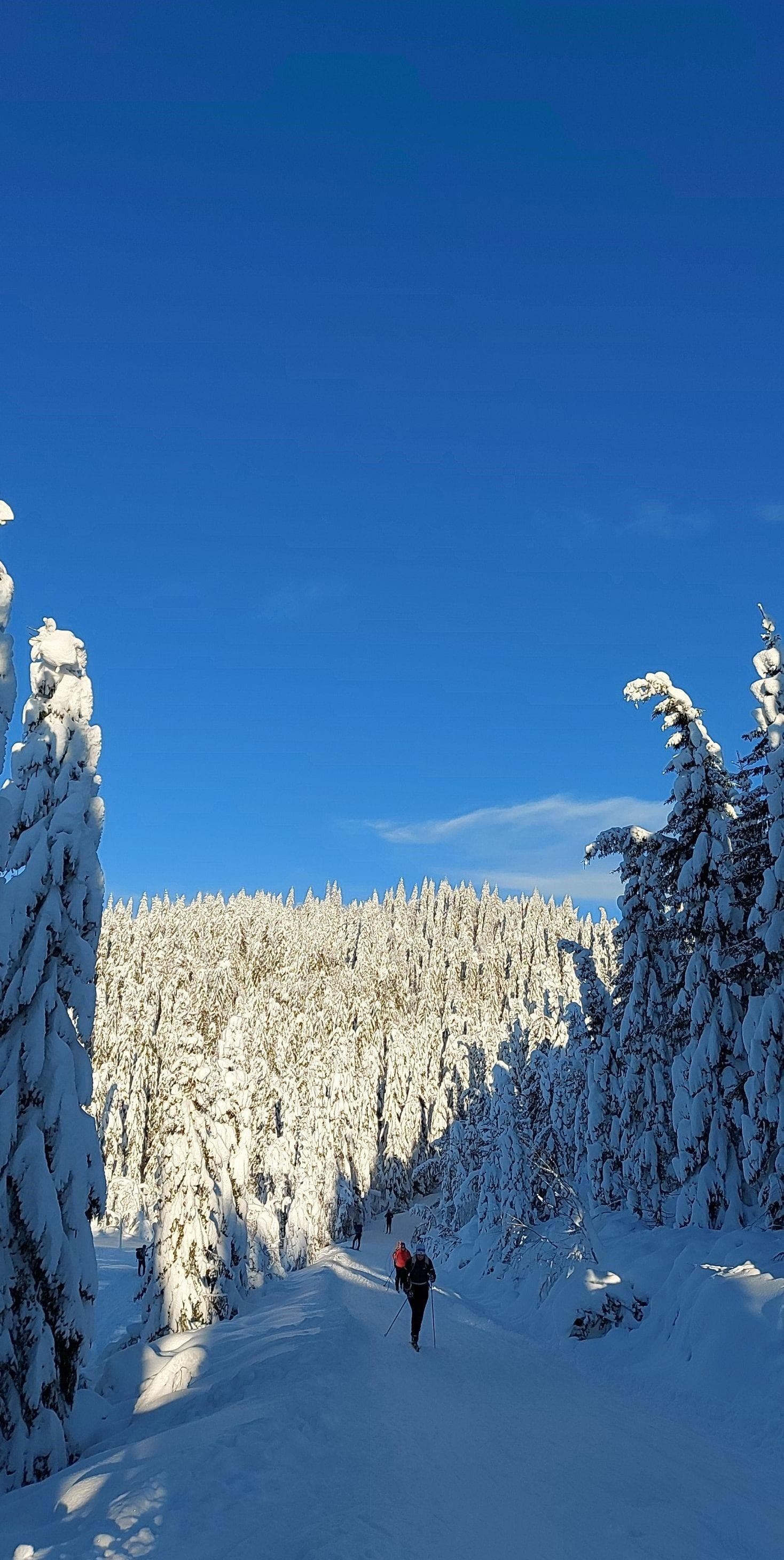
Viddaseter in Siljan
3748 Siljan
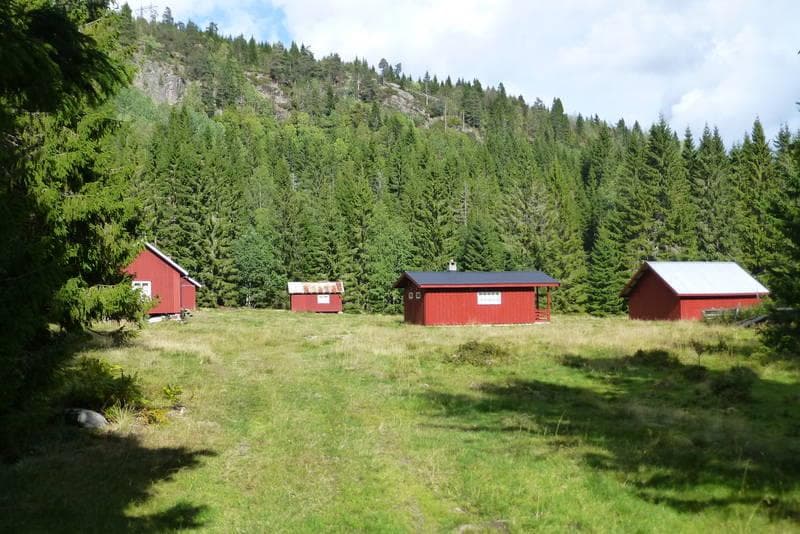
Hiking Brånaskottet to Prestegårdseter in Siljan
3748 Siljan

Hiking to Melakollen
3748 Siljan
Hiking to Nordkollen in Siljan
3748 Siljan
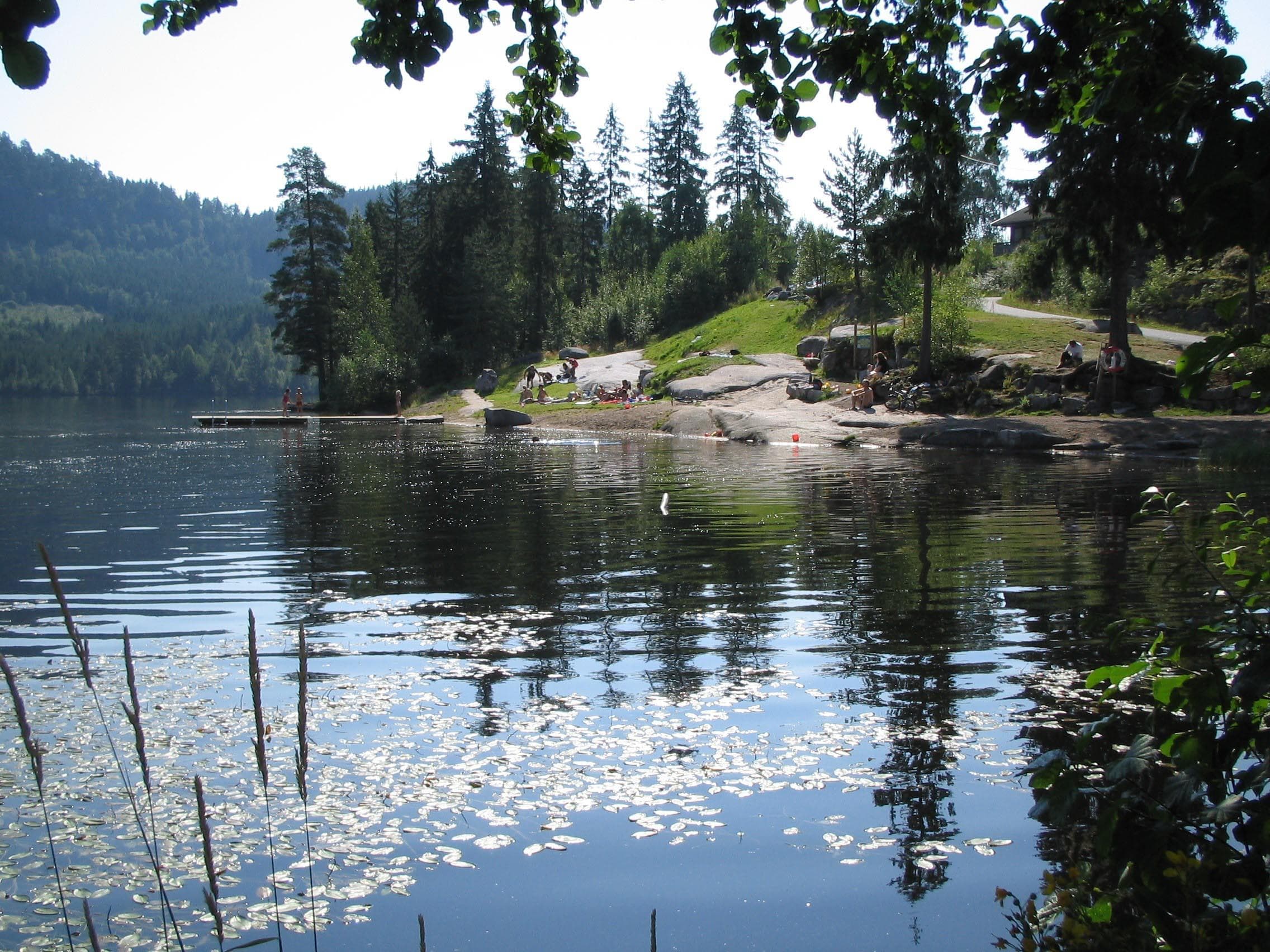
Øvrebøtjenna swimming spot
3748 Siljan

Bjørn Richter Gallery, SILJAN
Svartangenvei 171, 3748 Siljan
Siljan
Sentrumsvn. 105, 3748 Siljan
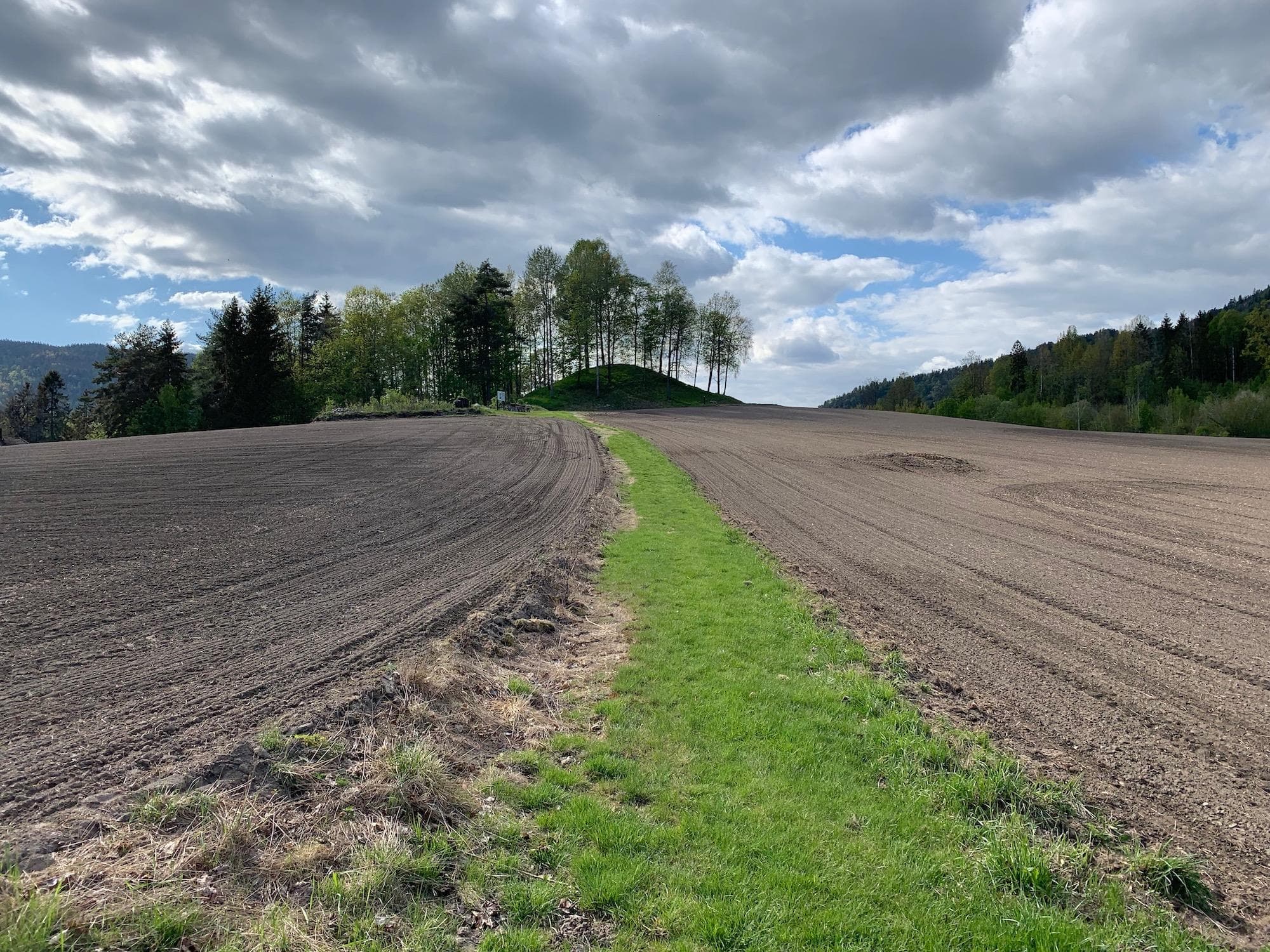
The mound of Silju
3749 Siljan