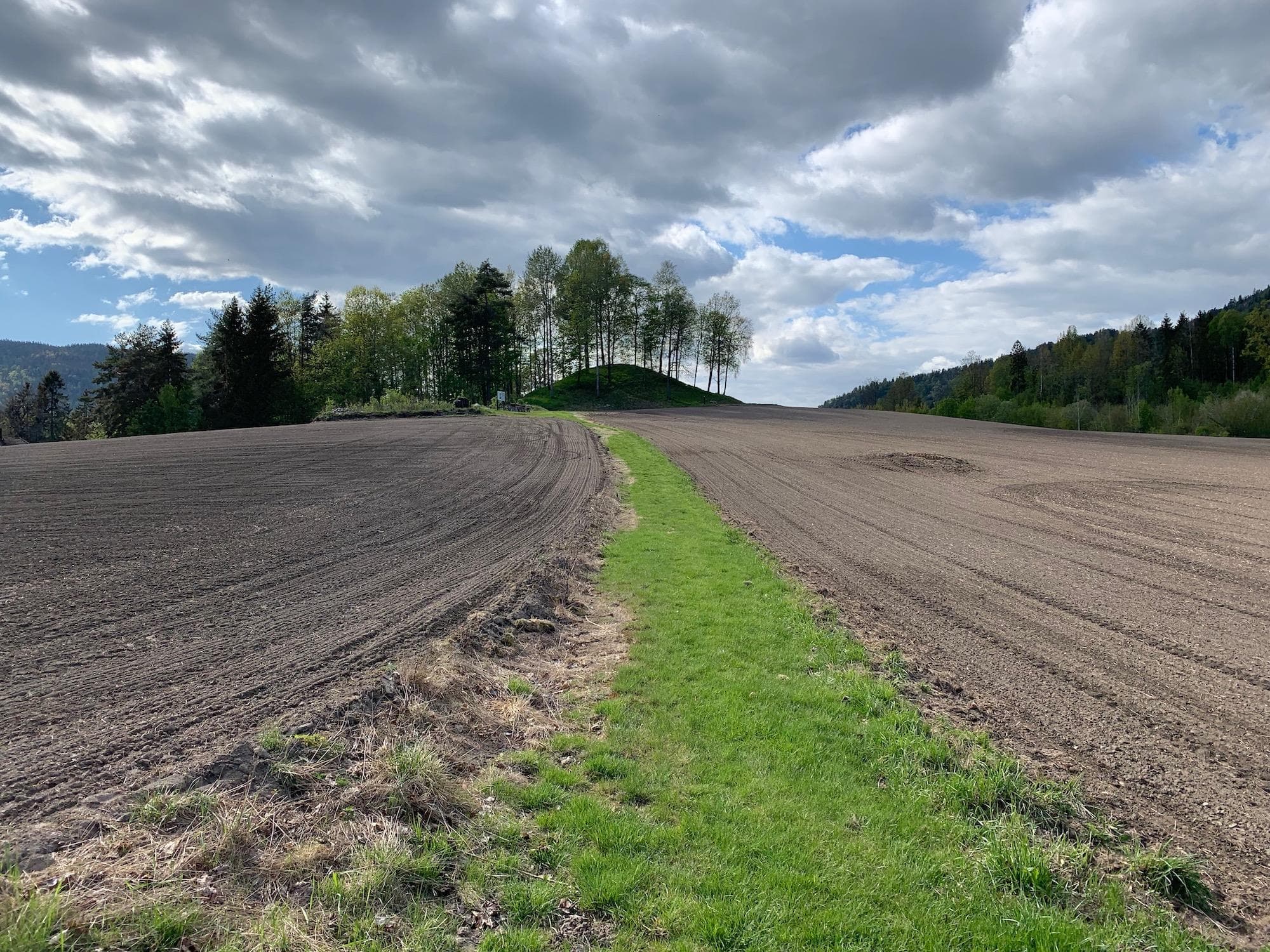
The mound of Silju
Explore in – one of Northern Europe’s largest Iron Age burial mounds and a symbol of power.

About
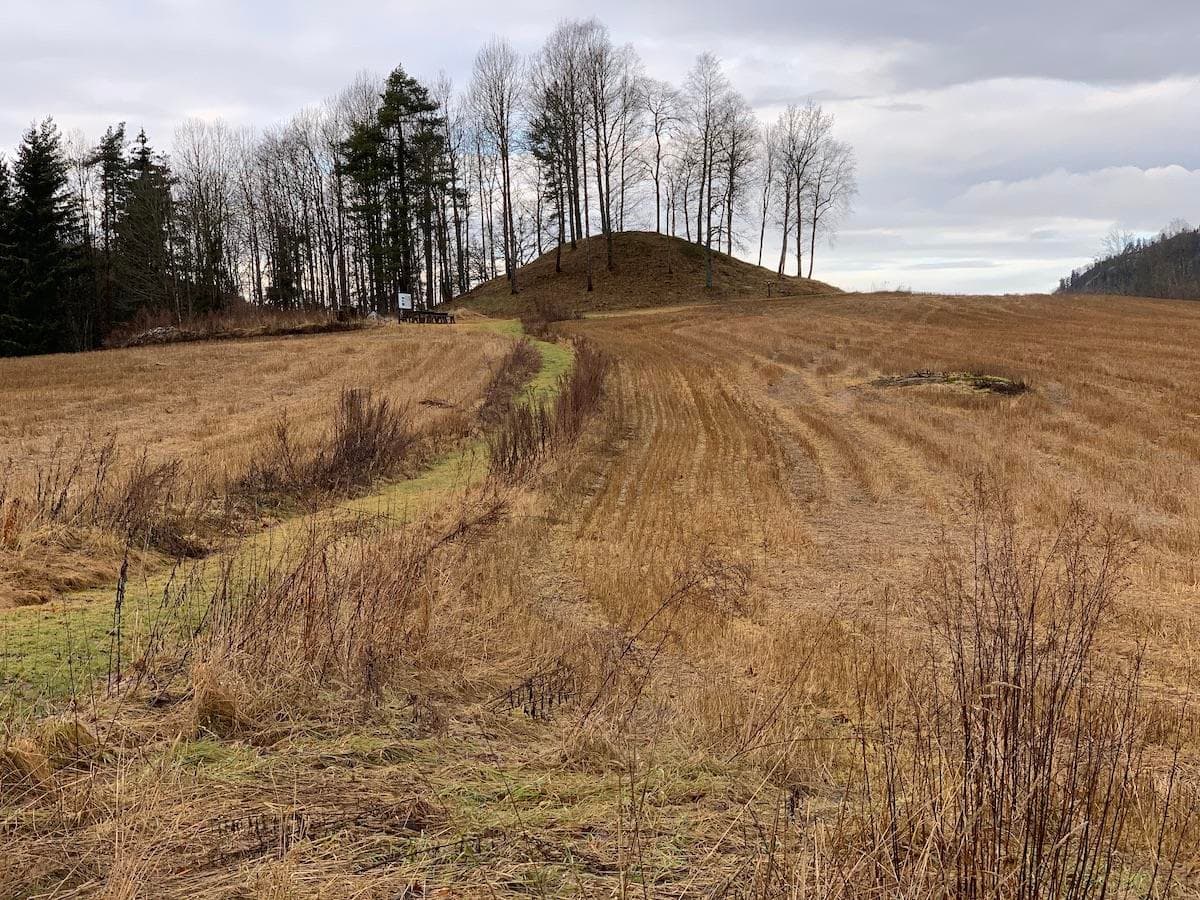
Siljuhaugen is a large, artificially built burial mound, likely dating from the Early Iron Age. It sits atop a natural gravel plateau, overlooking an adjacent Iron Age burial ground, and is considered one of the largest mounds in Northern Europe.
Siljuhaugen as a Symbol of Power
Siljuhaugen clearly served as a symbol of power. The surrounding burial field confirms its high status in the region. Many archaeologists believe the mound may have represented the authority of a local warrior chieftain, possibly during the Viking Age.
The Origin of the Name Siljan
The names and may derive from the Latin loanword Salix (willow). This suggests the site may have been a place of cultic activity during the Roman Iron Age, with possible roots extending back to the Celtic Iron Age. The name may also reference a willow-related fertility cult, likely associated with women offering gifts.
Contact
post@siljan.kommune.no
Location
Practical information
- Burial mounds
- Sites worth seeing
- Natural sights
Nearby events





"En Showgirls bekjennelse" med Guri Schanke – 12. november på Quality Hotel™ Skjærgården
Stathelleveien 35, 3970 Langesund



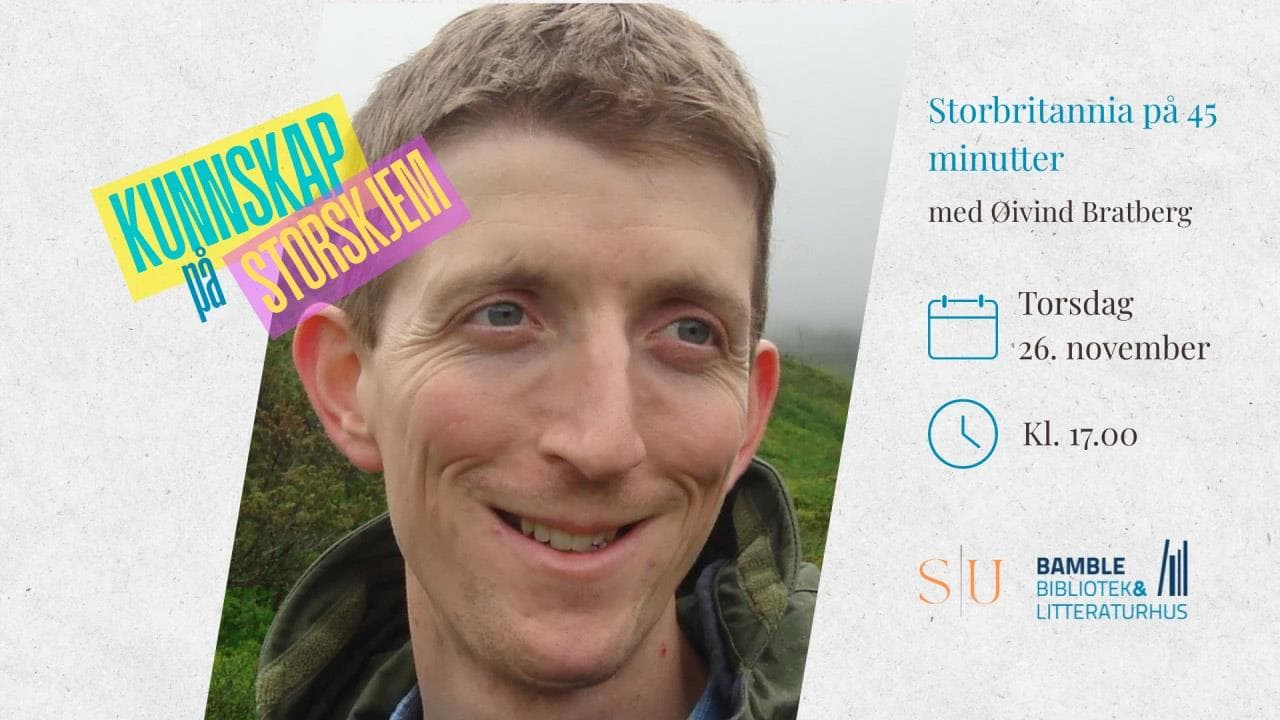


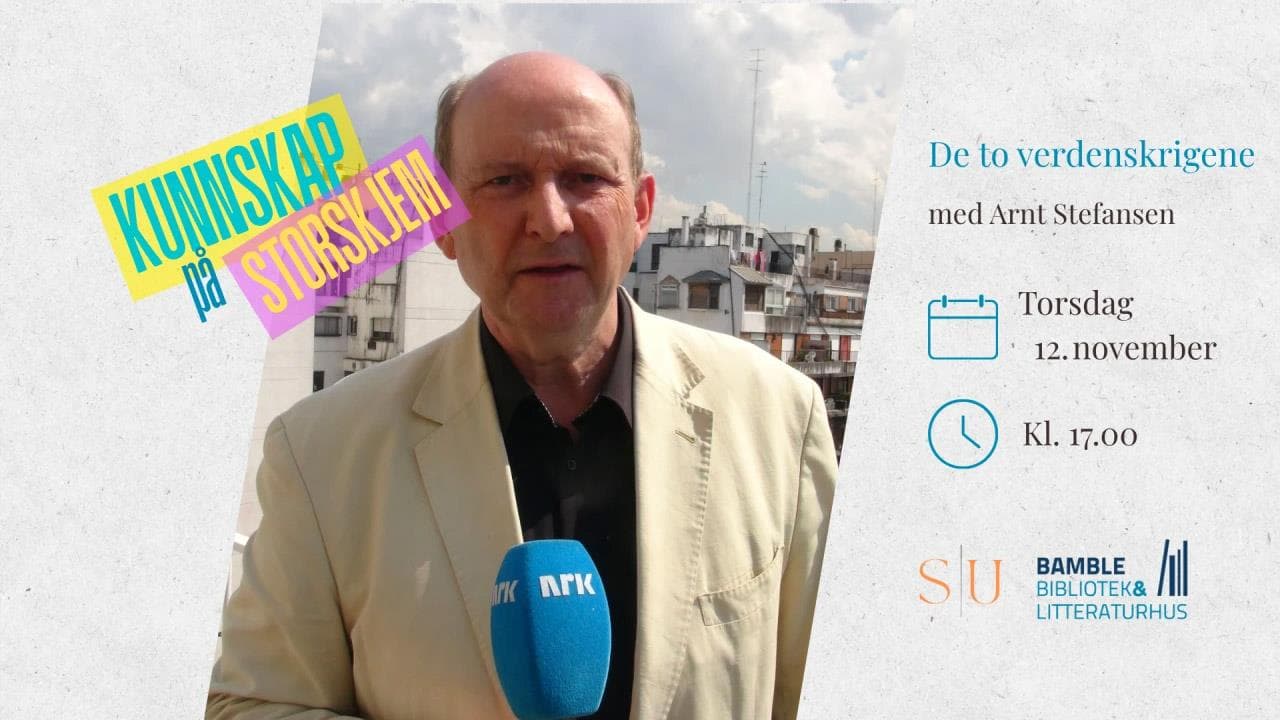
Kunnskap på storskjerm: Da imperiet falt - en historisk reise gjennom Østerrike
Krabberødstrand 14, 3960 Stathelle


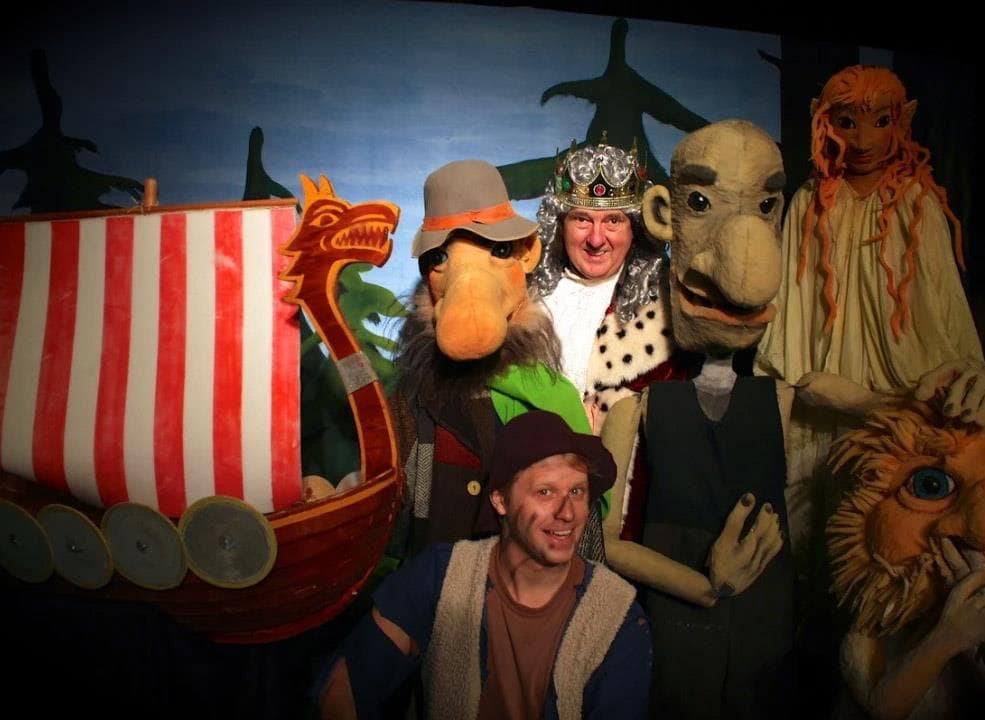
Barnas Jul med Erik & Kalle - 29.desember på Quality Hotel™ Skjærgården
Stathelleveien 35, 3970 Langesund

Related
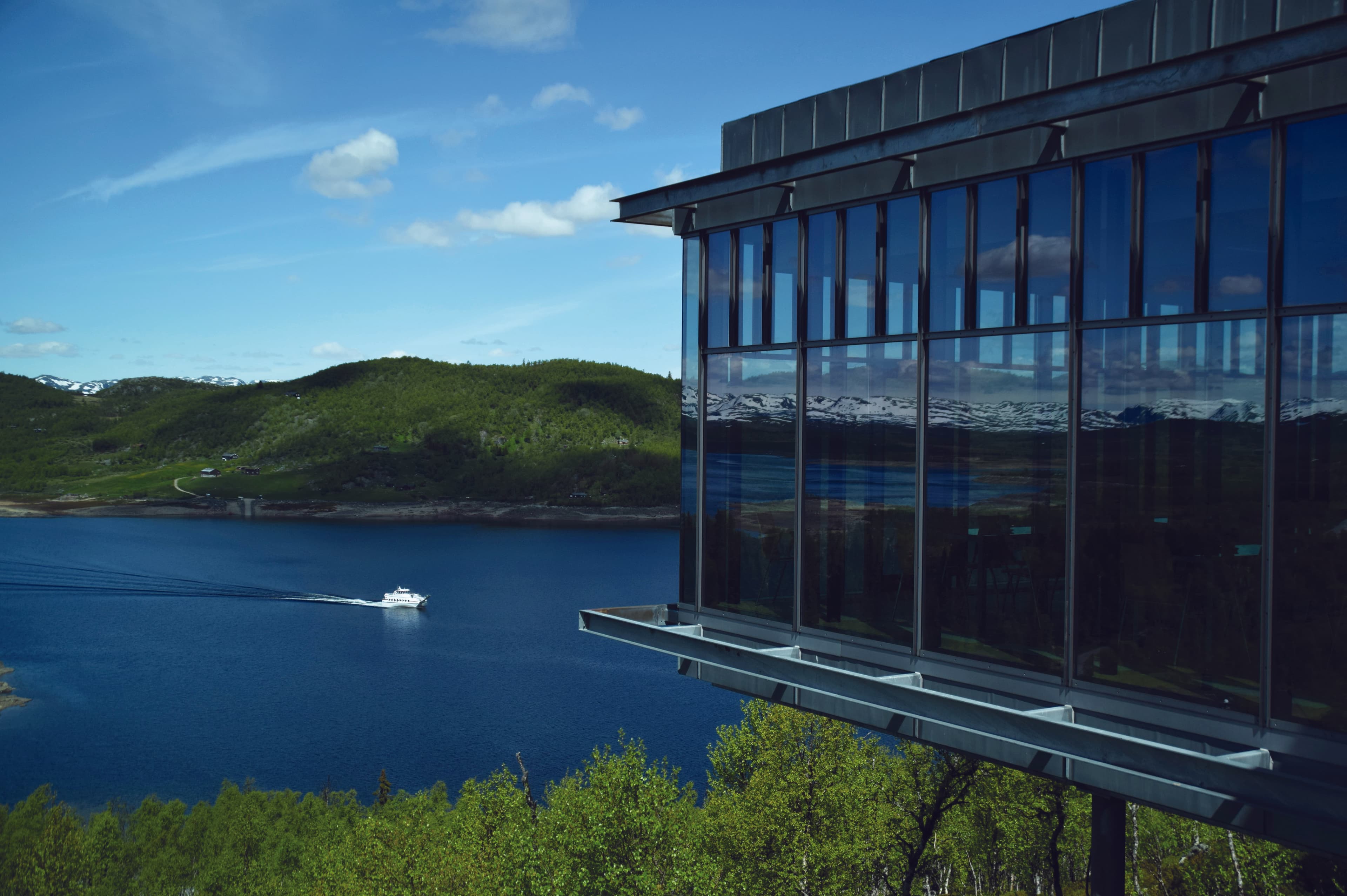
Hardangervidda National Park Visitor Centre
Møsvannsveien 1149, Rjukan
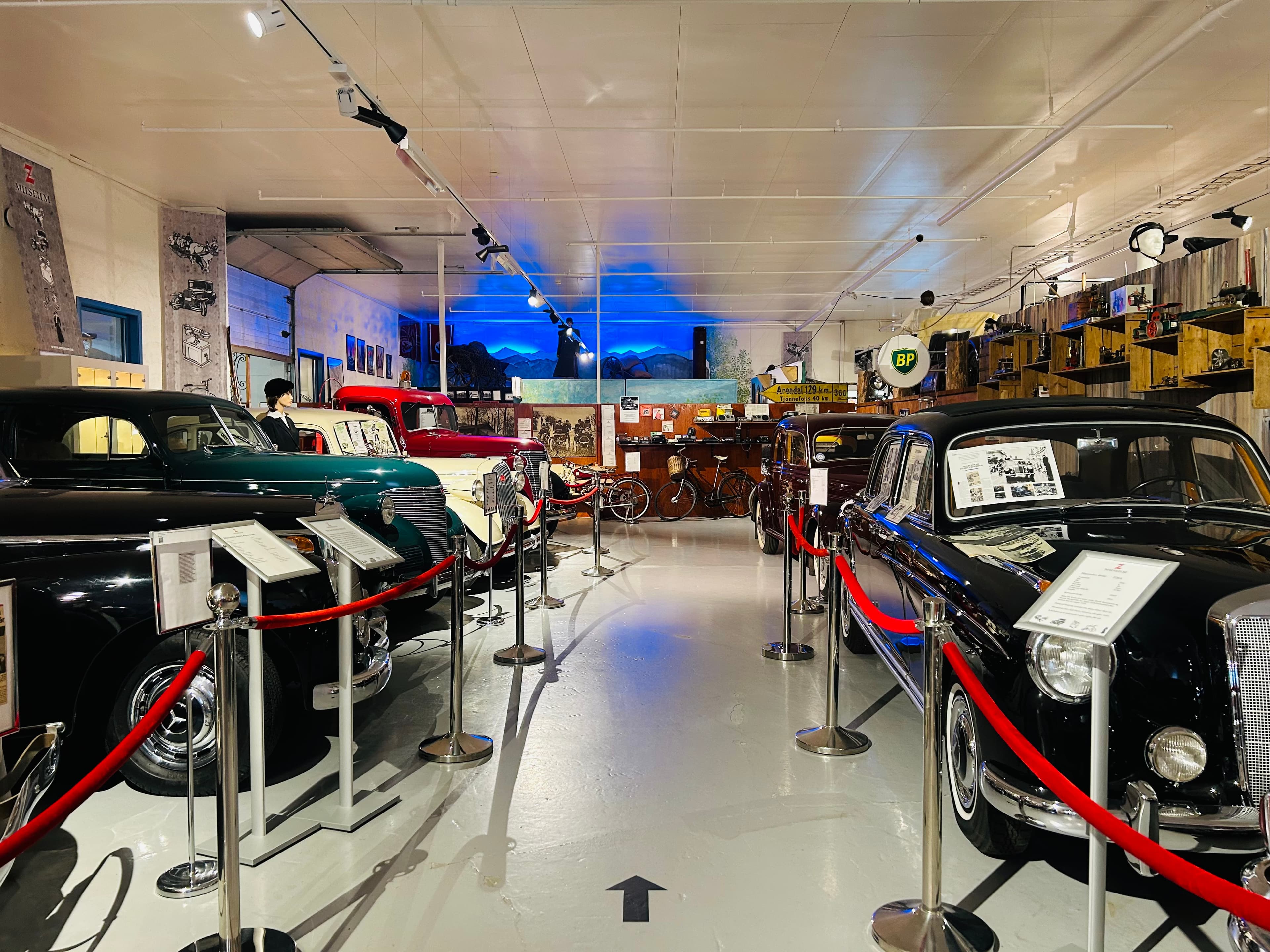
Z Museum in Treungen
Sundsmoen 27, 3855 Tveitsund
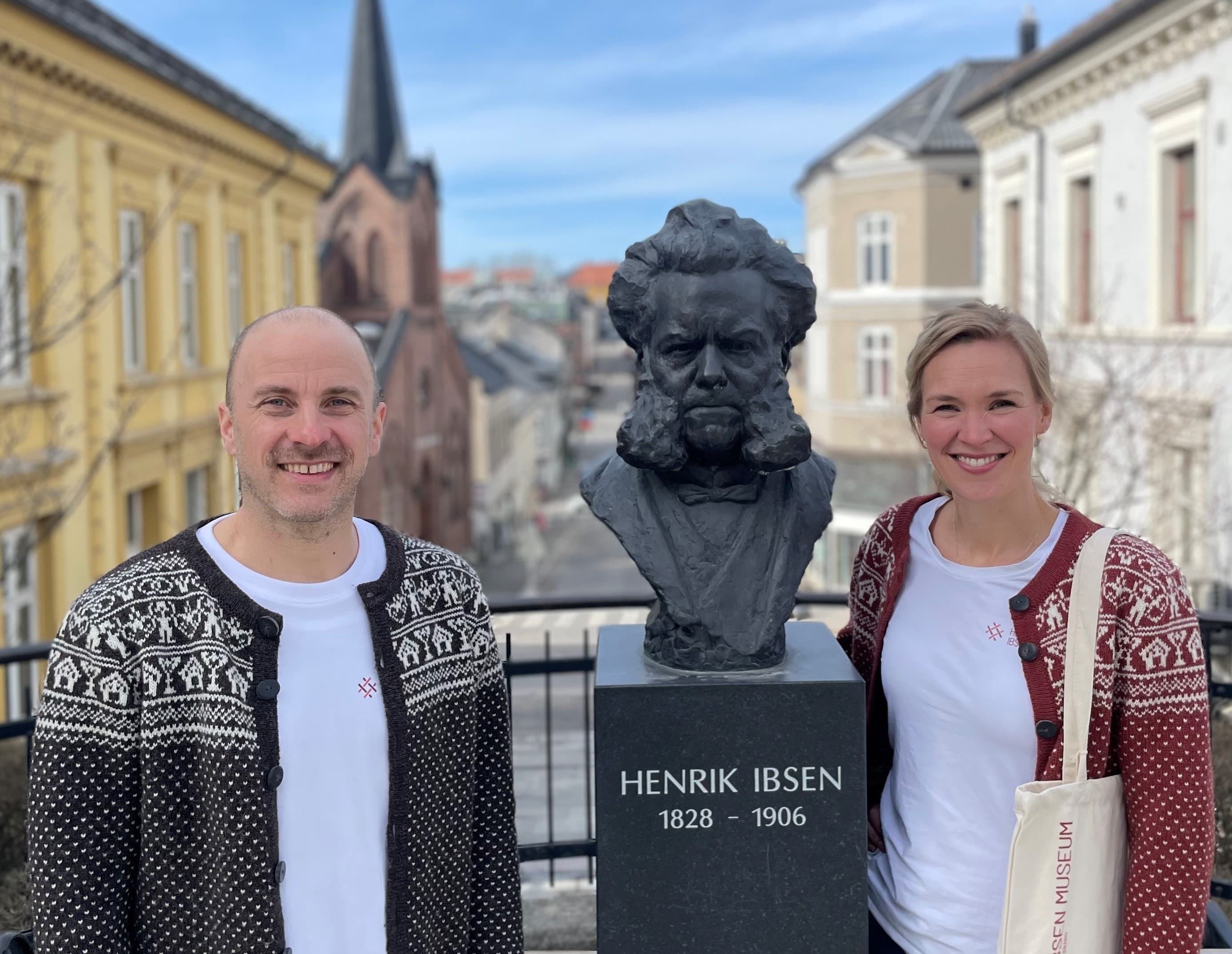
In the Footsteps of Ibsen in Skien
Øvregate 32a, 3715 Skien
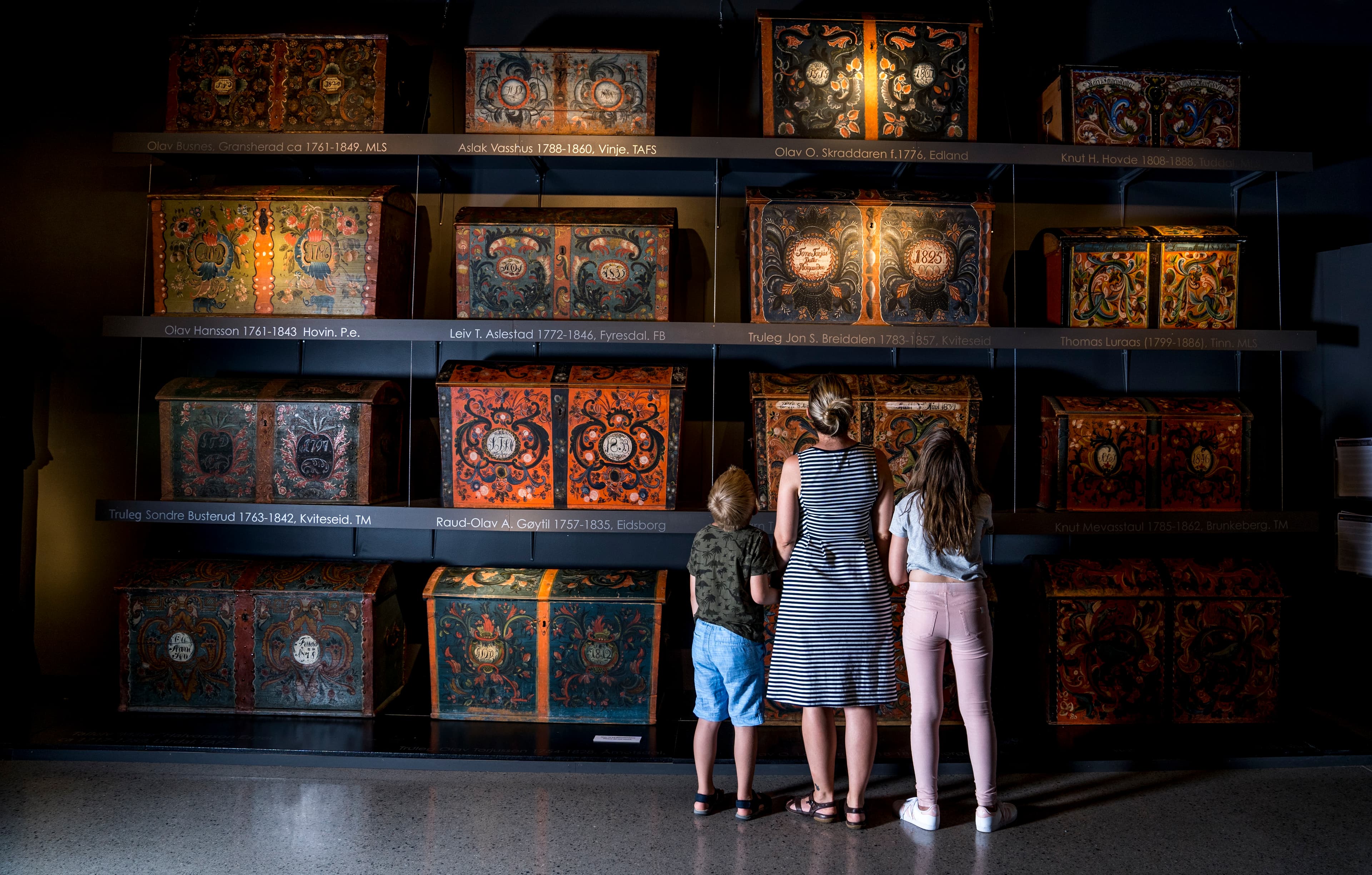
Entrance Ticket – Vest-Telemark Museum with Eidsborg Stave Church
Museumsvegen 9, 3891 Høydalsmo
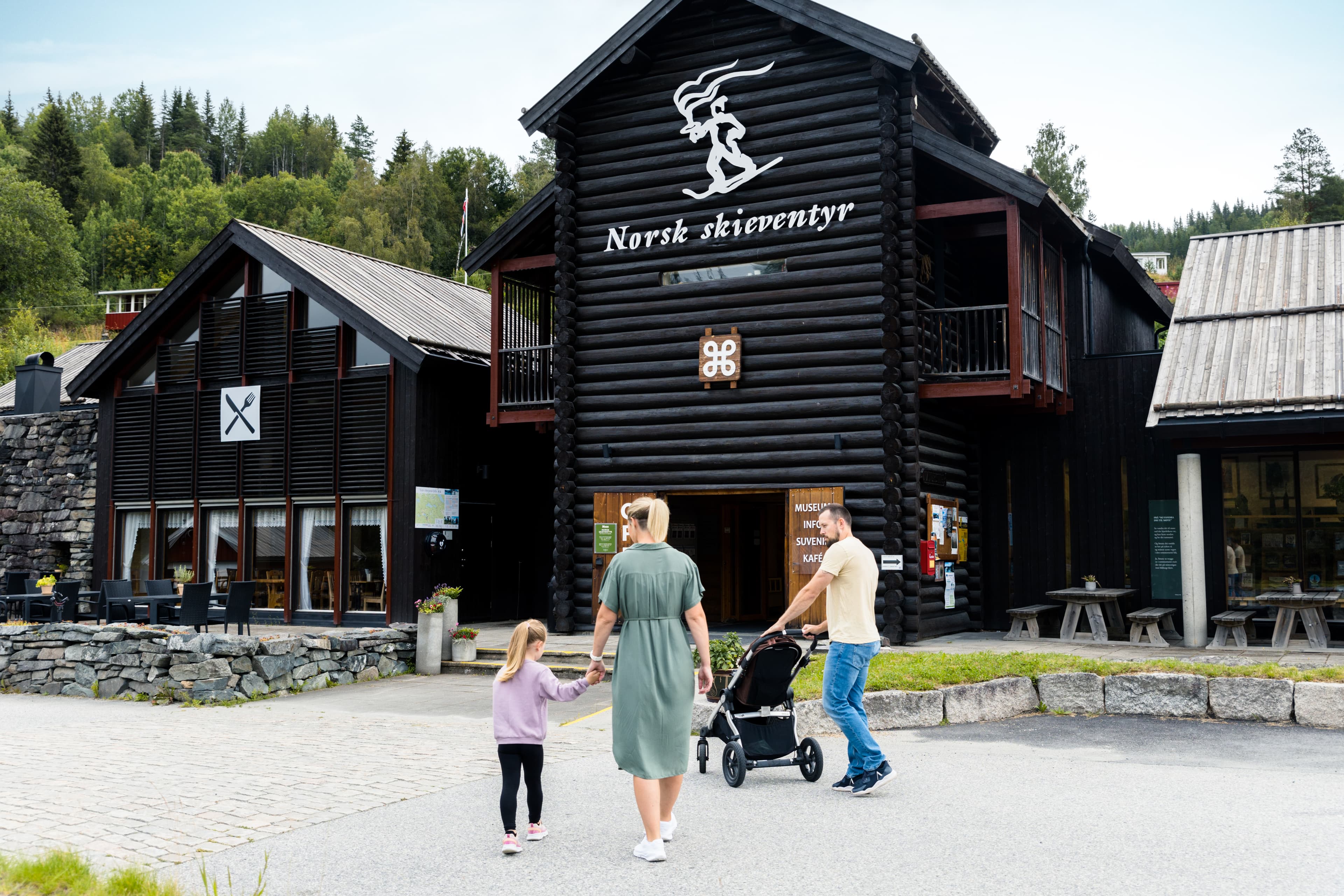
Admission Ticket – Norwegian Ski Adventure, Morgedal
Morgedalvegen 159, 3848 Morgedal
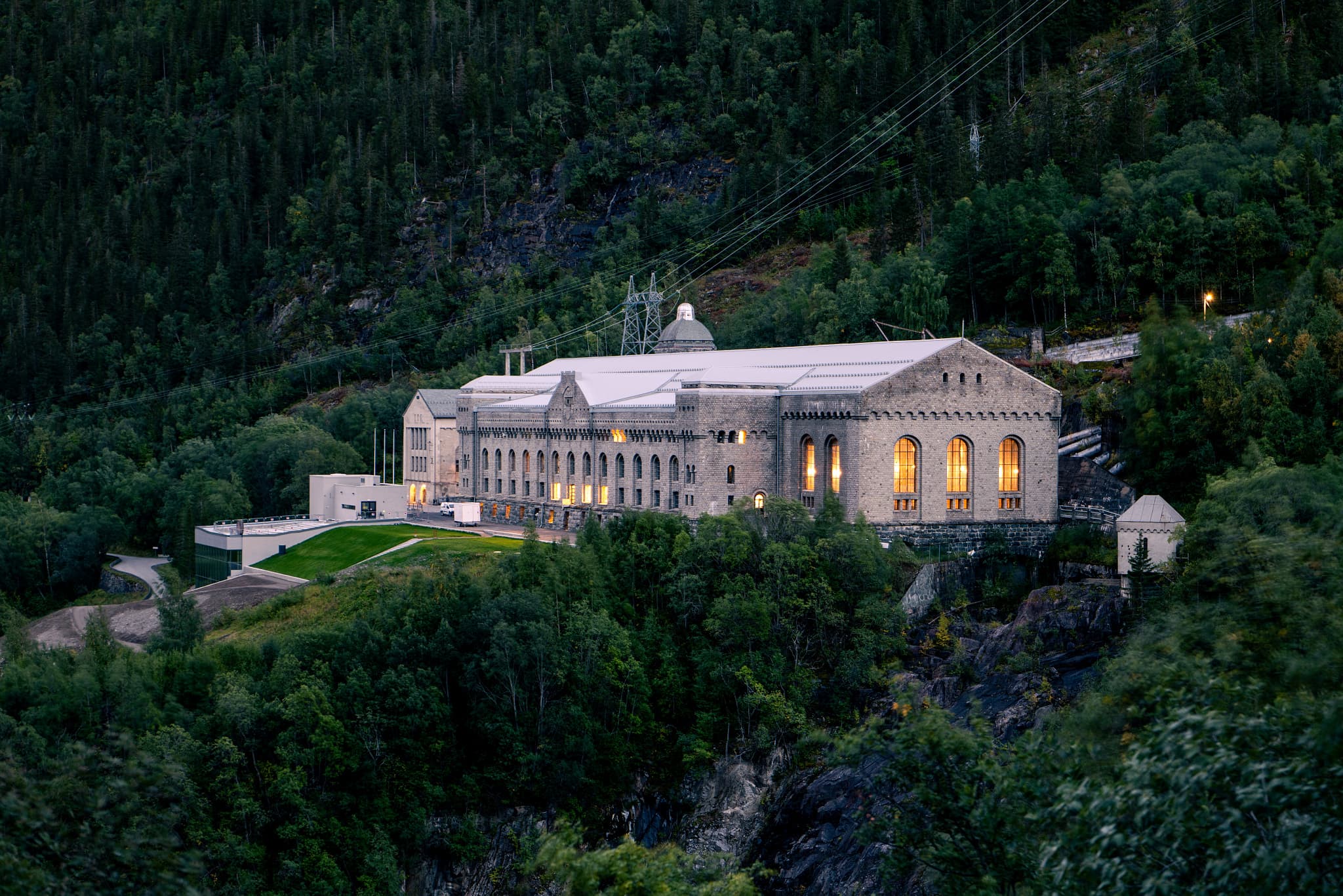
Entrance to The Norwegian Industrial Workers Museum - Vemork
Norsk Industriarbeidermuseum Vemork, 3660 Rjukan
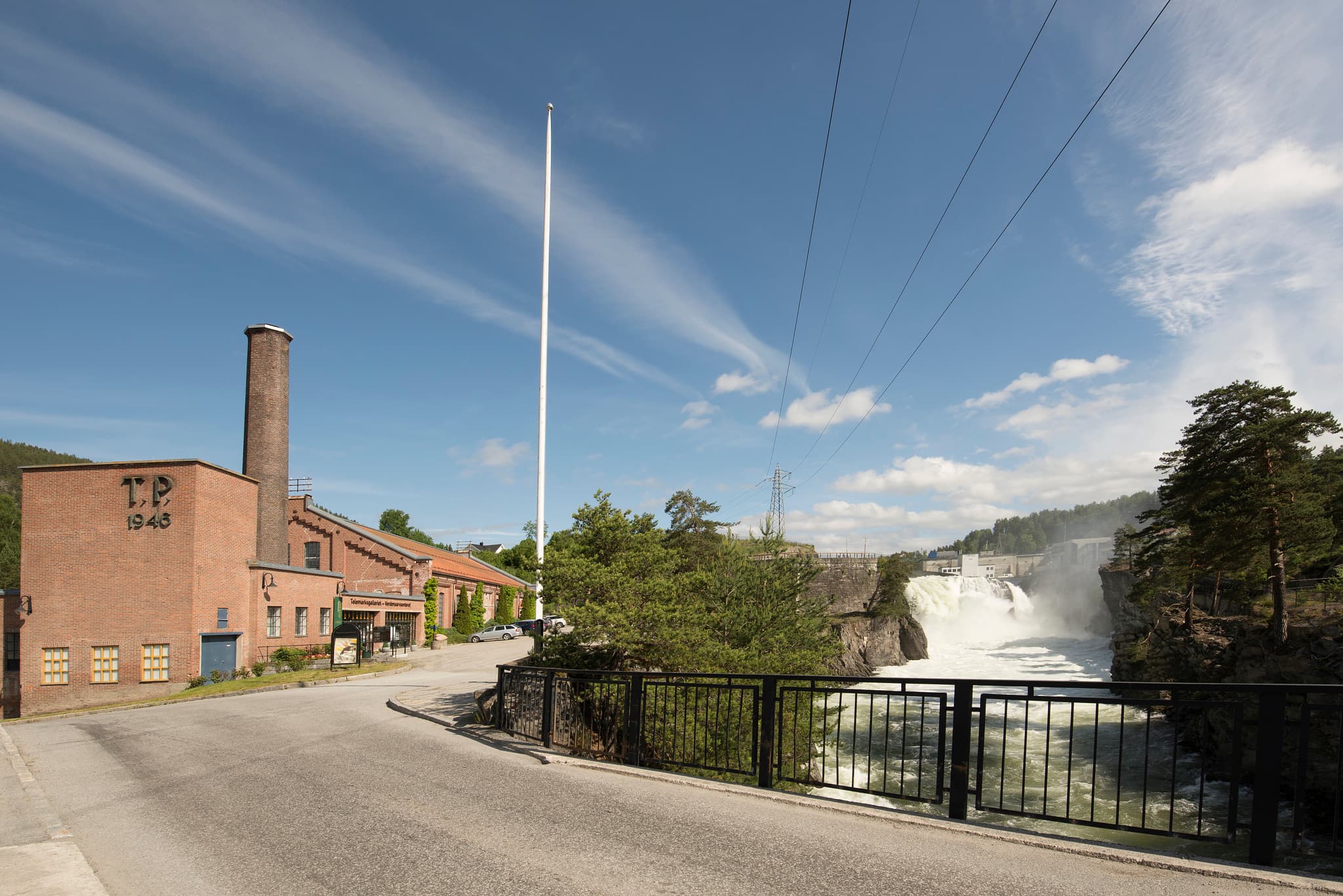
Entrance to Telemark Kunstmuseum
O. H. Holtas gate 27, 3678 Notodden

One-Day Ticket to the Porcelain Museum - Telemark Museum
Porselensvegen 6b, 3920 Porsgrunn

One-Day Ticket: Brekkeparken – Telemark Museum
Telemark museum, Øvregate 32a, 3715 Skien
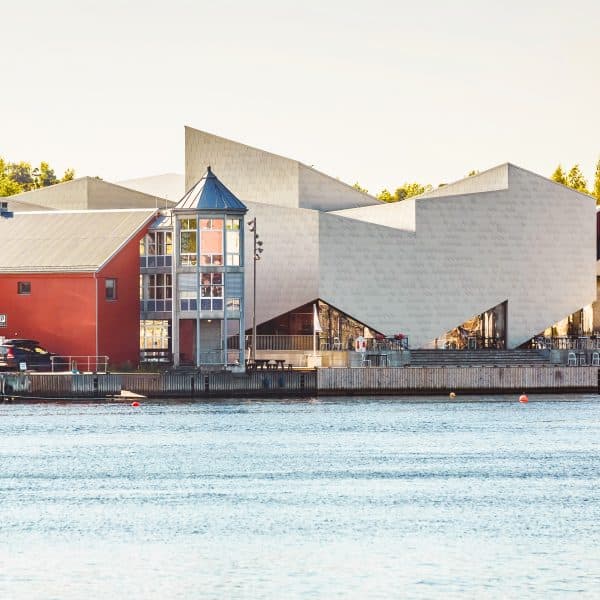
DuVerden Maritime Museum & Science Centre – Porsgrunn
Tollbugata 23, 3933 Porsgrunn
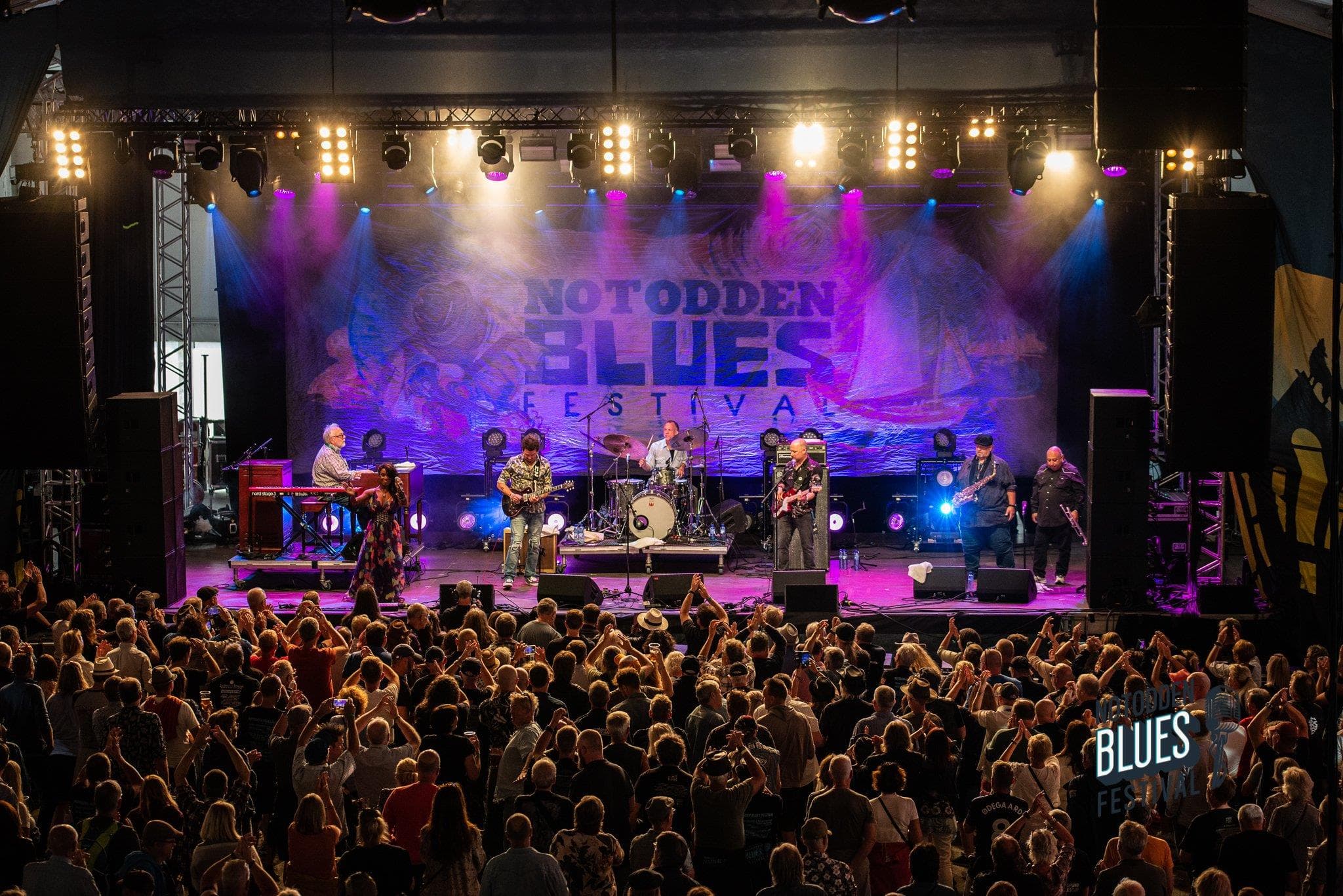
Notodden Blues Festival
Storgata 1, 3676 Notodden
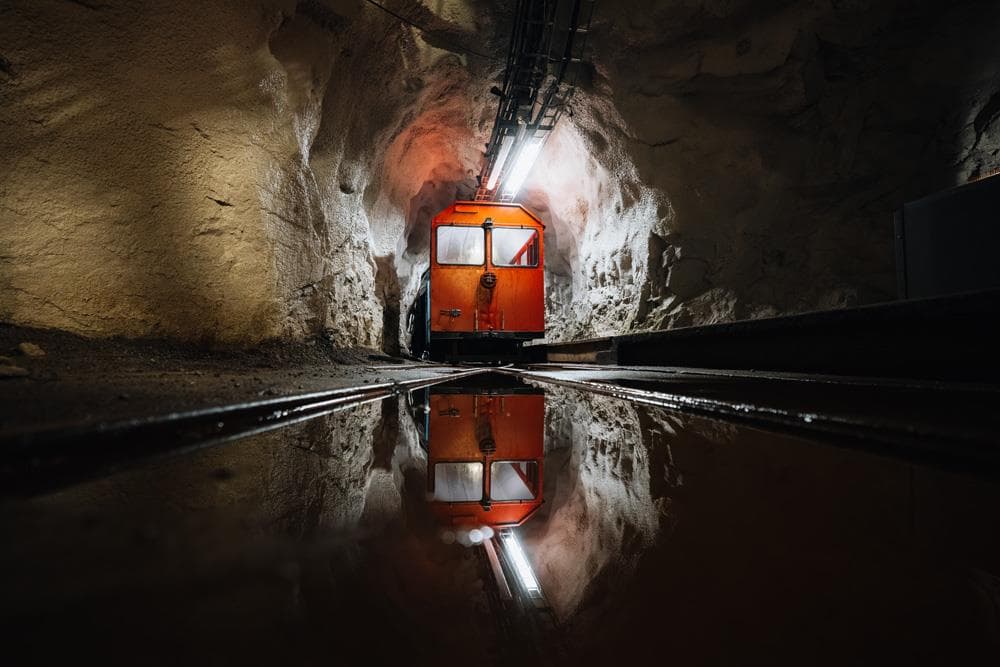
Gaustabanen
Langefonn, 3660 Rjukan
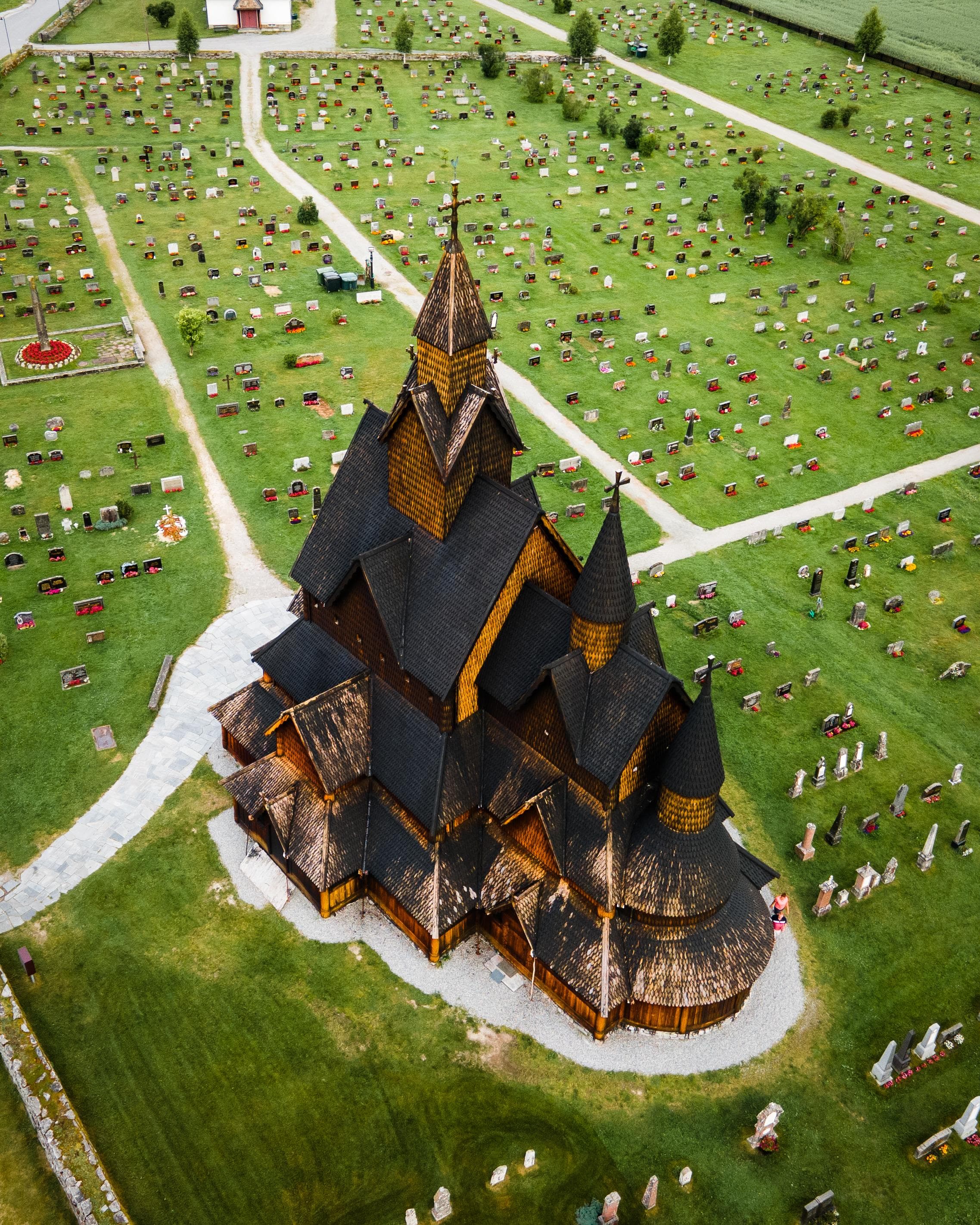
Heddal Stave Church
Heddalsvegen 412, 3676 Notodden
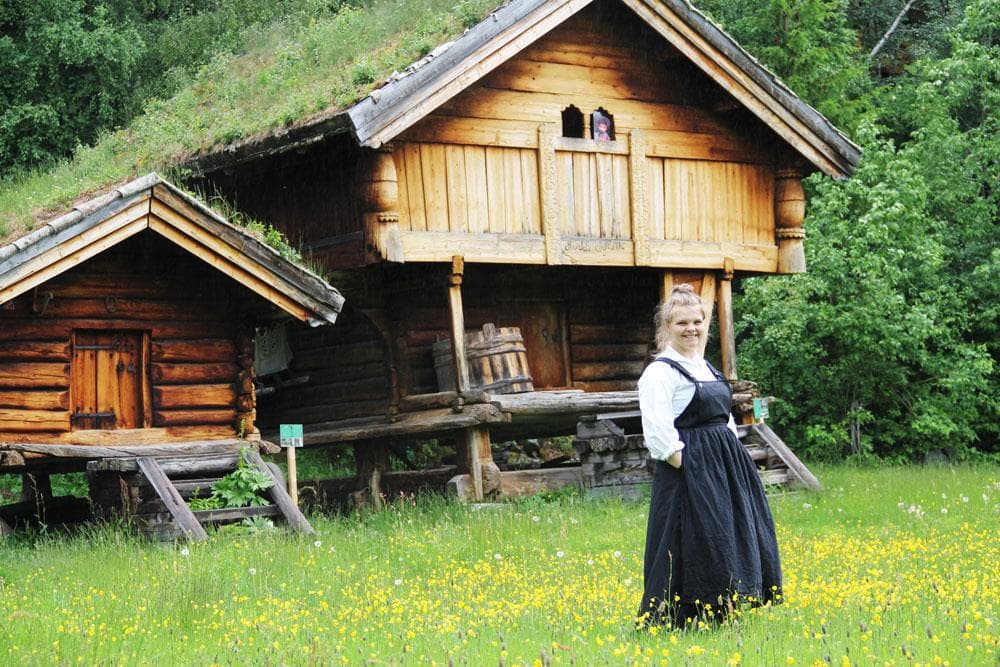
Tuddal Bygdetun
Tuddalvegen 2111, 3697 Tuddal
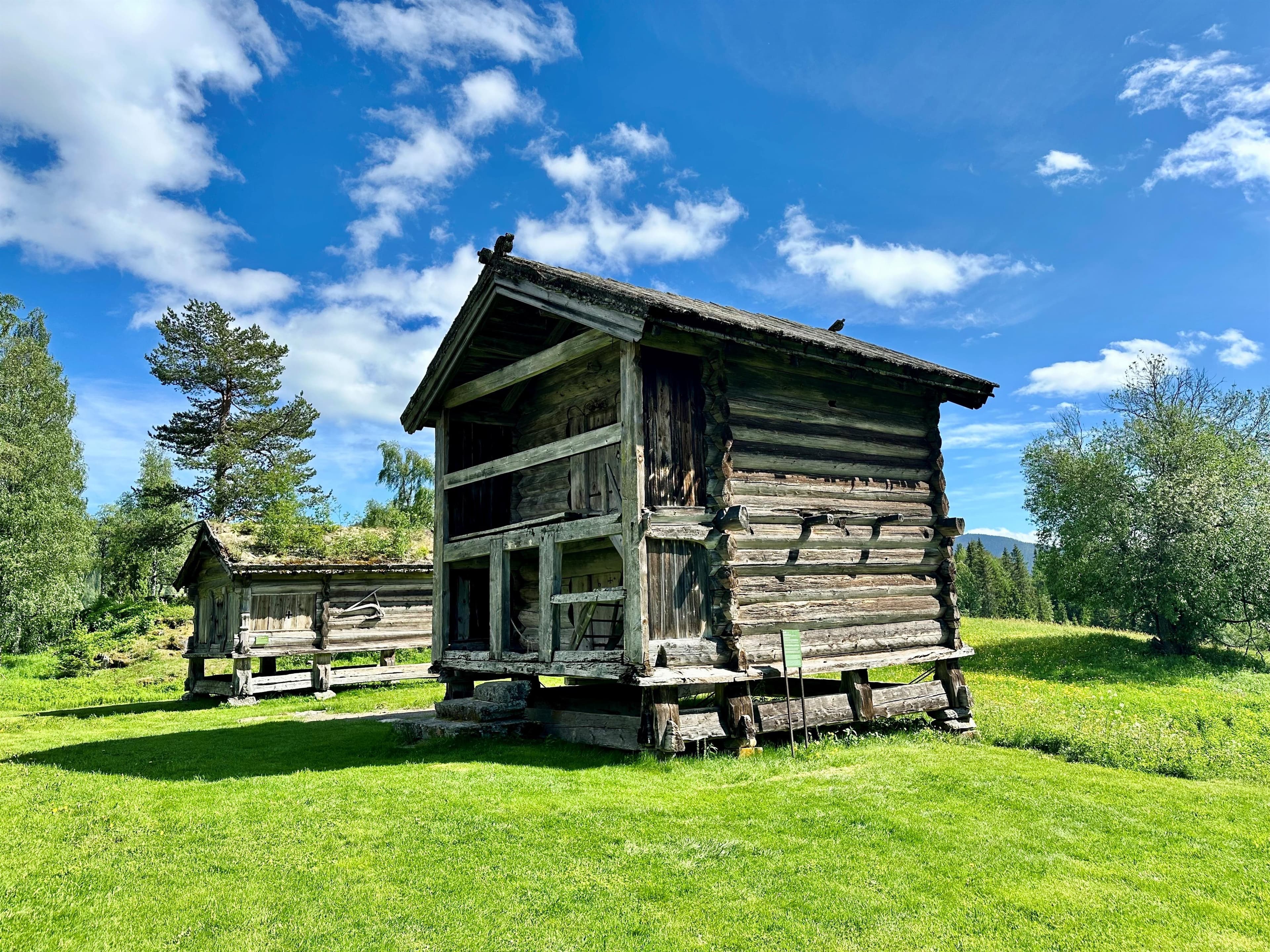
Stålekleivloftet - one of the oldest wooden buildings in the world
Museumsvegen 9, 3891 Høydalsmo
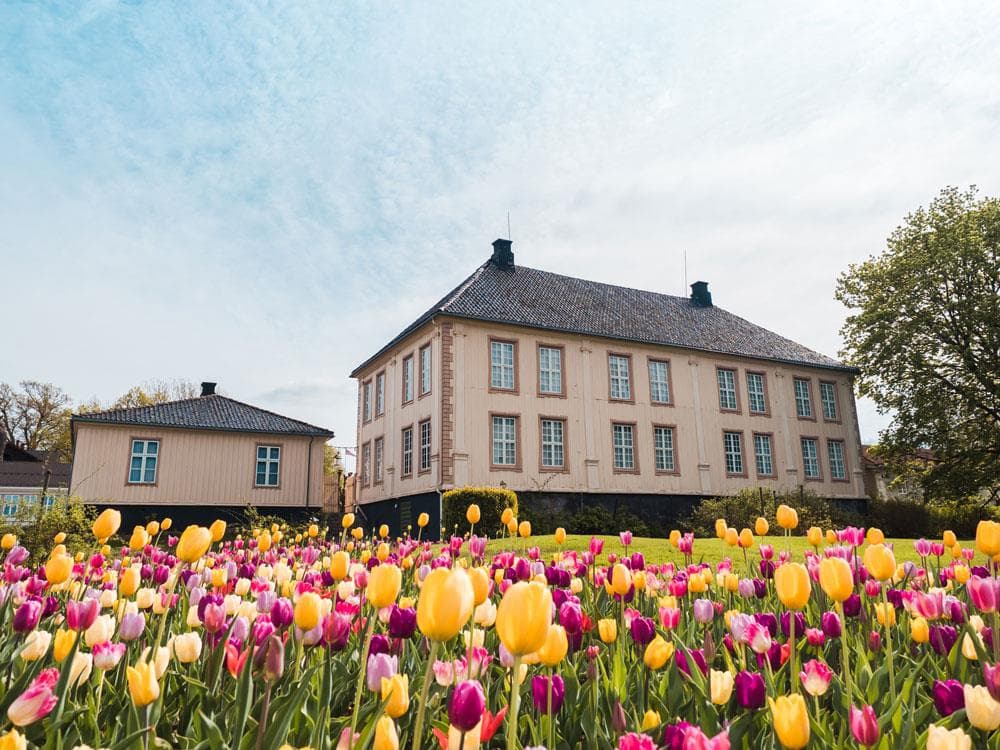
Søndre Brekke Estate, Telemark Museum
Øvregate 32a, 3715 Skien
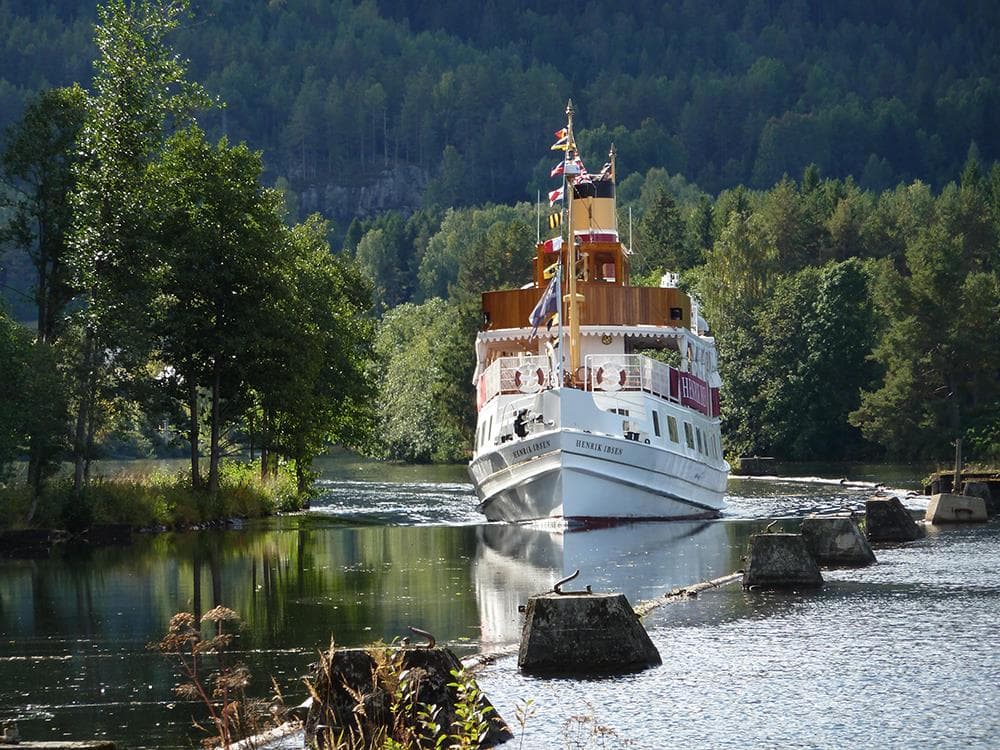
The Telemark Canal
Hjellebrygge, 3706 Skien

A Cultural-Historical Walk Through the Centuries in Telemark
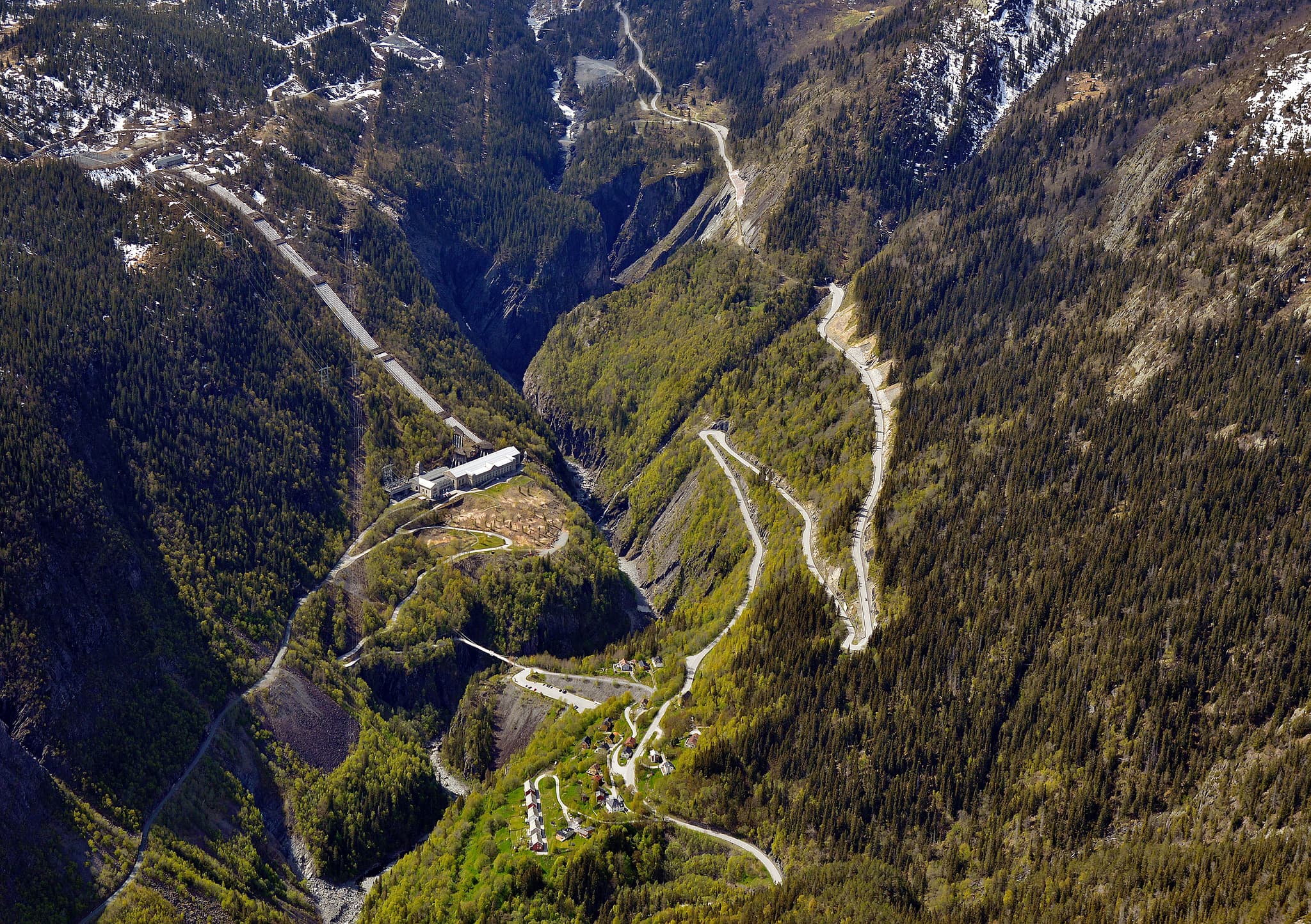
Hike in the Footsteps of the Saboteurs
Parking lot at Rjukan Mountain Lodge, marked "Sabotørstien."
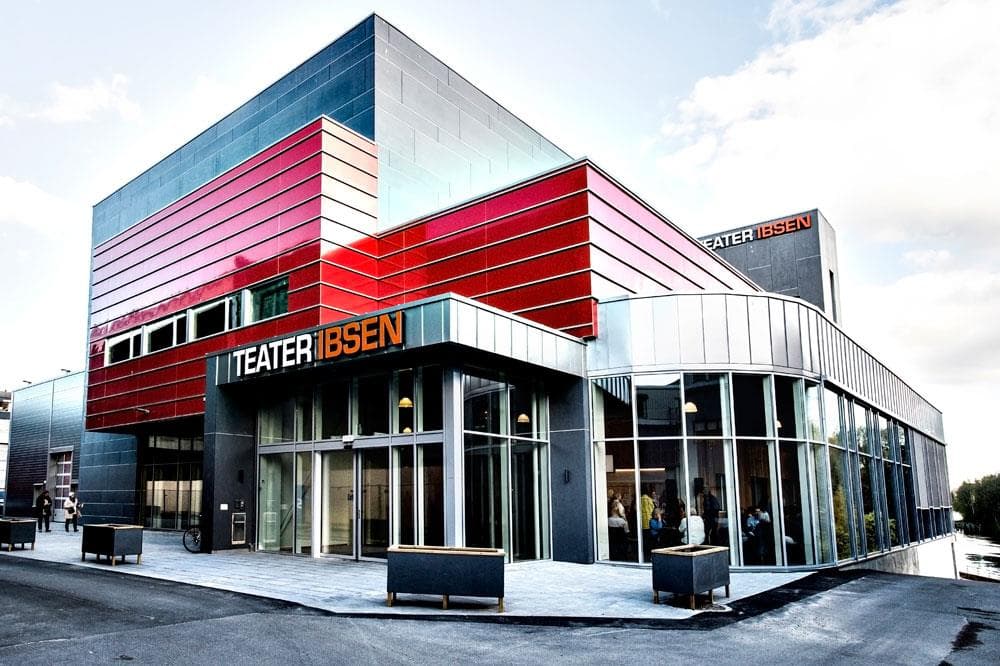
Nearby activities
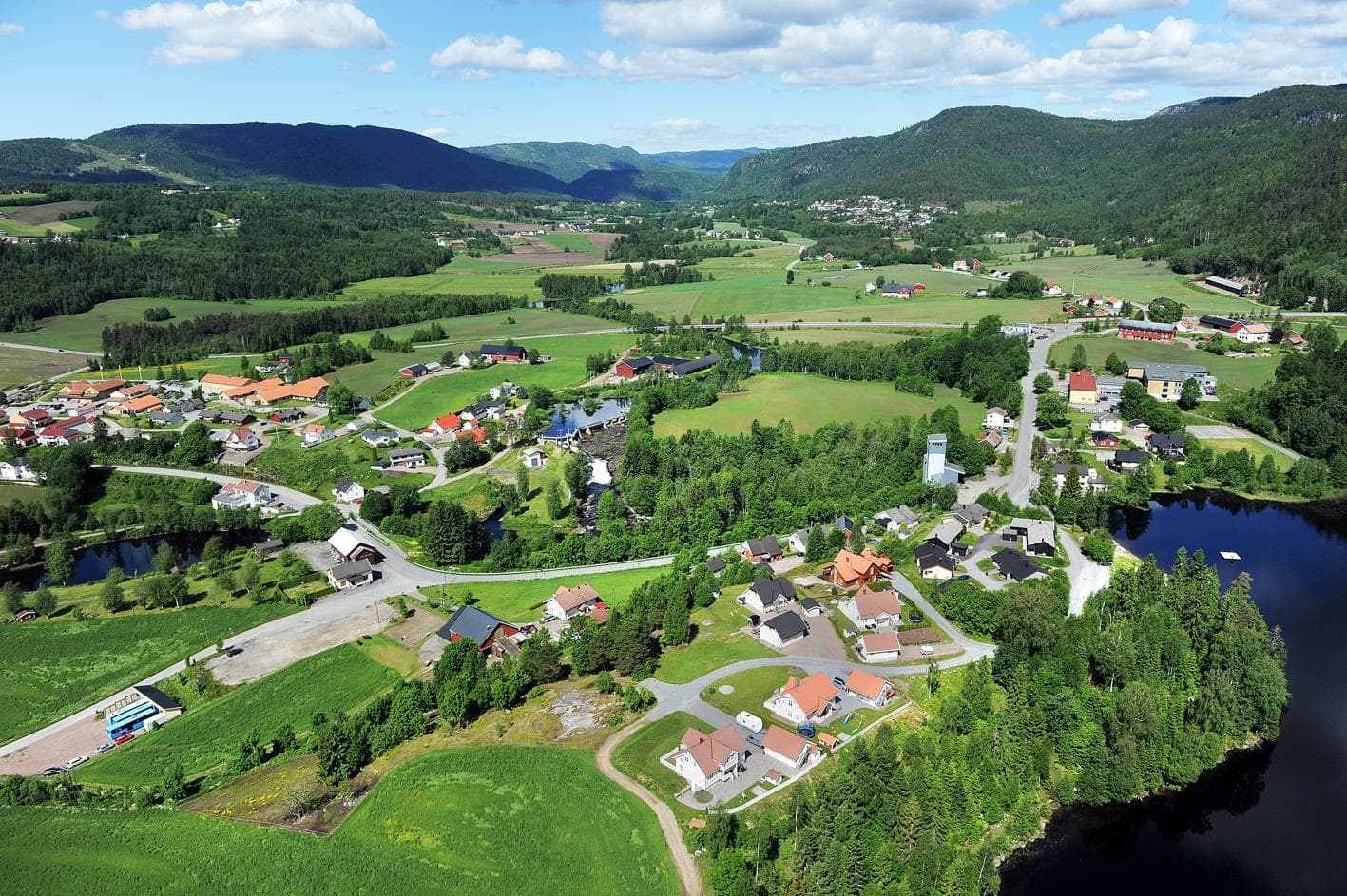
Siljan
Sentrumsvn. 105, 3748 Siljan
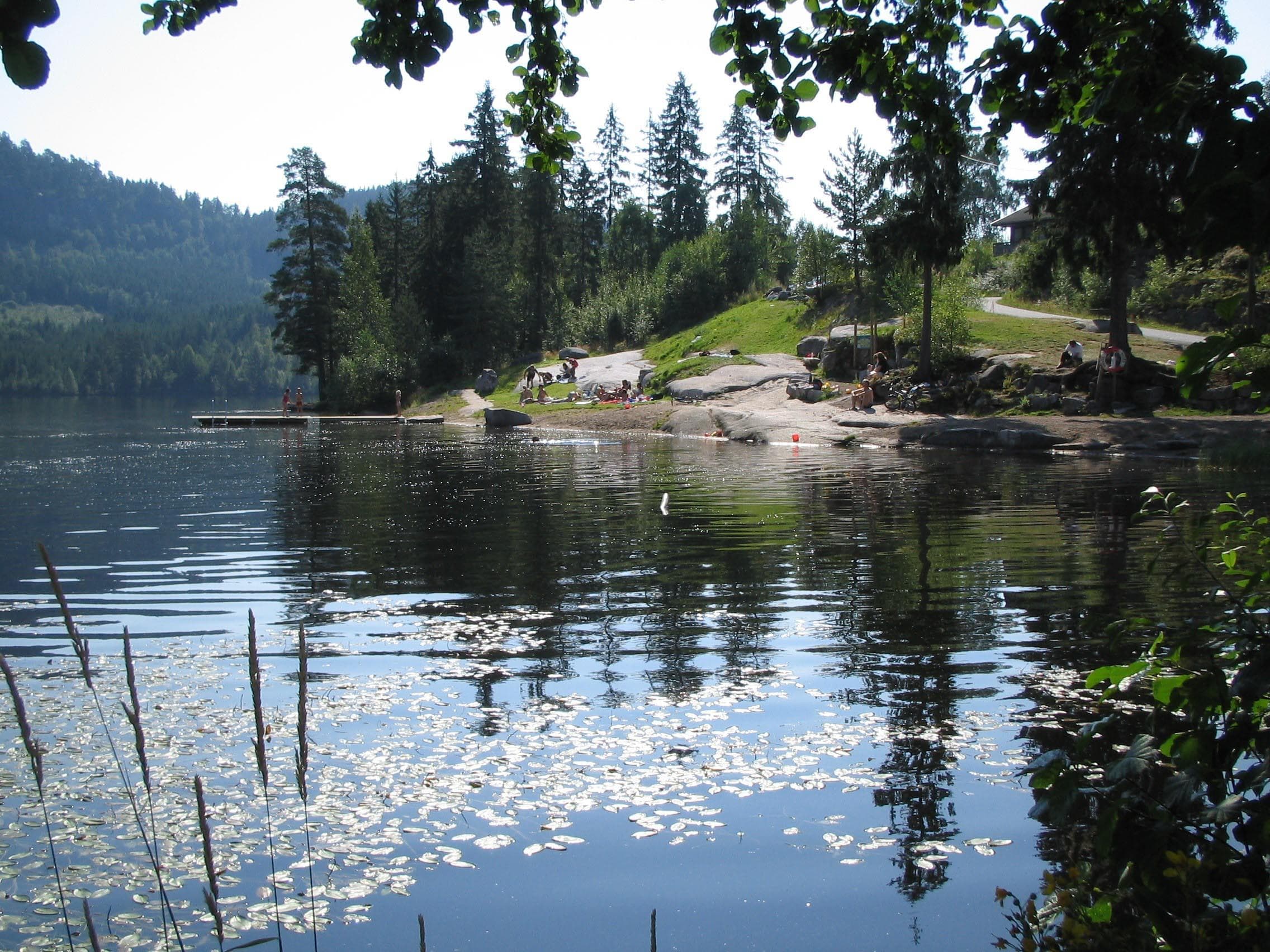
Øvrebøtjenna swimming spot
3748 Siljan
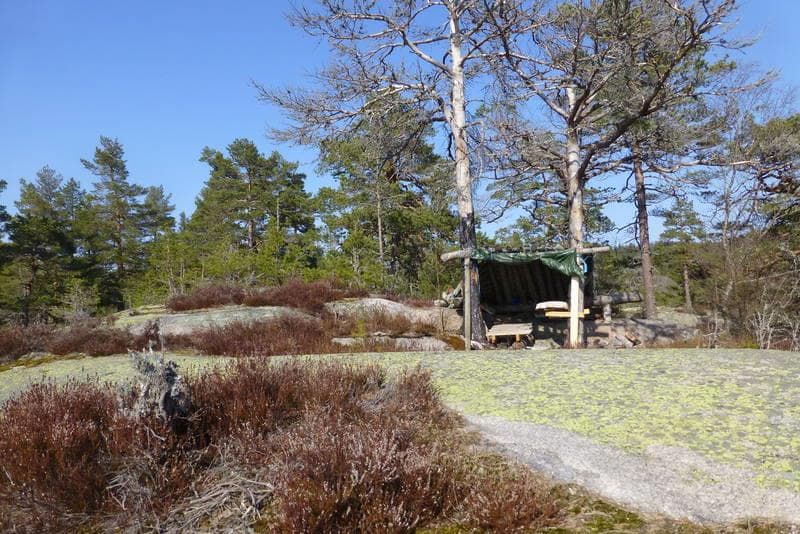
Hiking to Vieråsane viewpoint Åstjønn
3748 Siljan
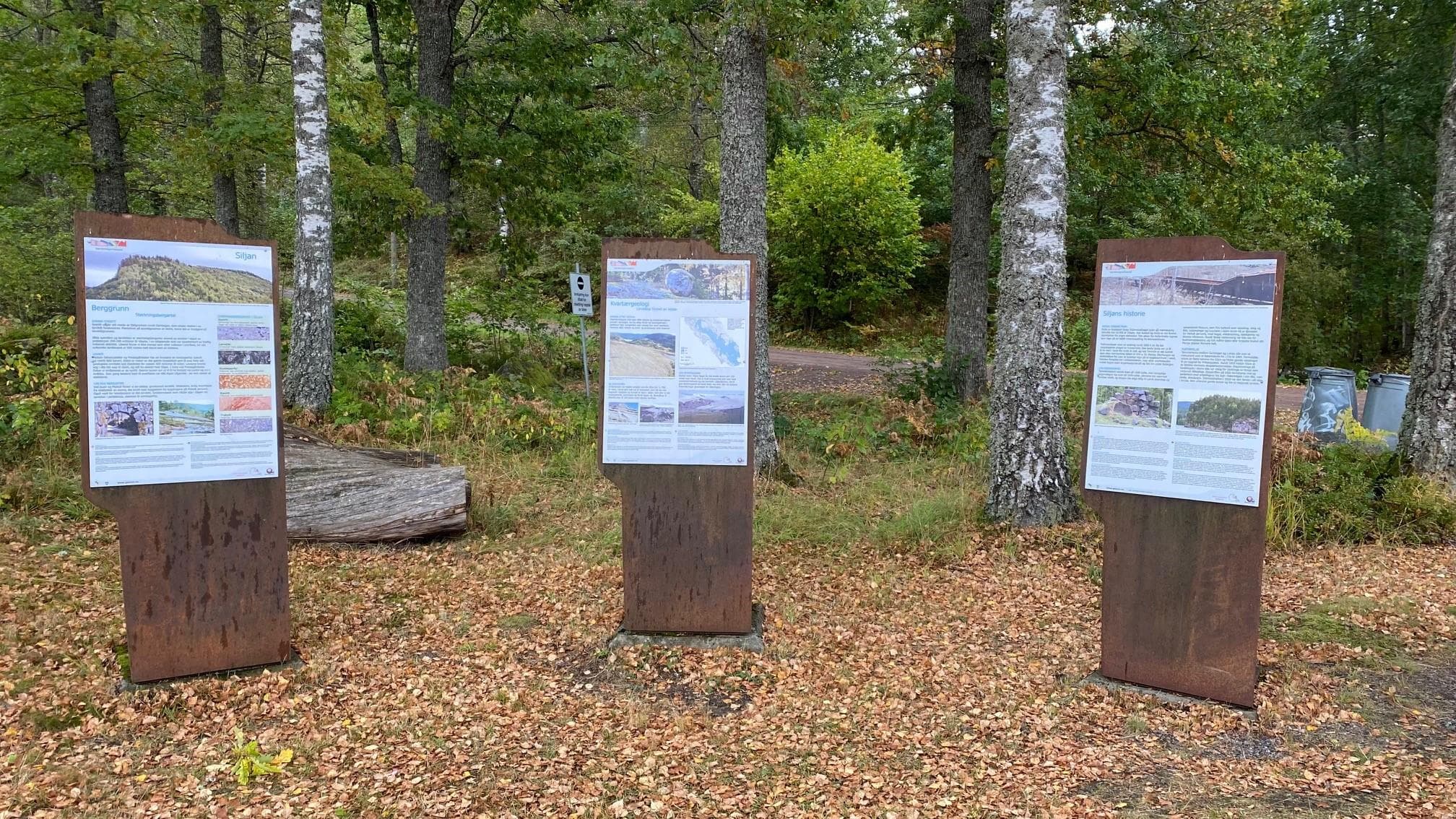
Gea Norvegica Unesco Global Geopark, Siljan
3748 Siljan
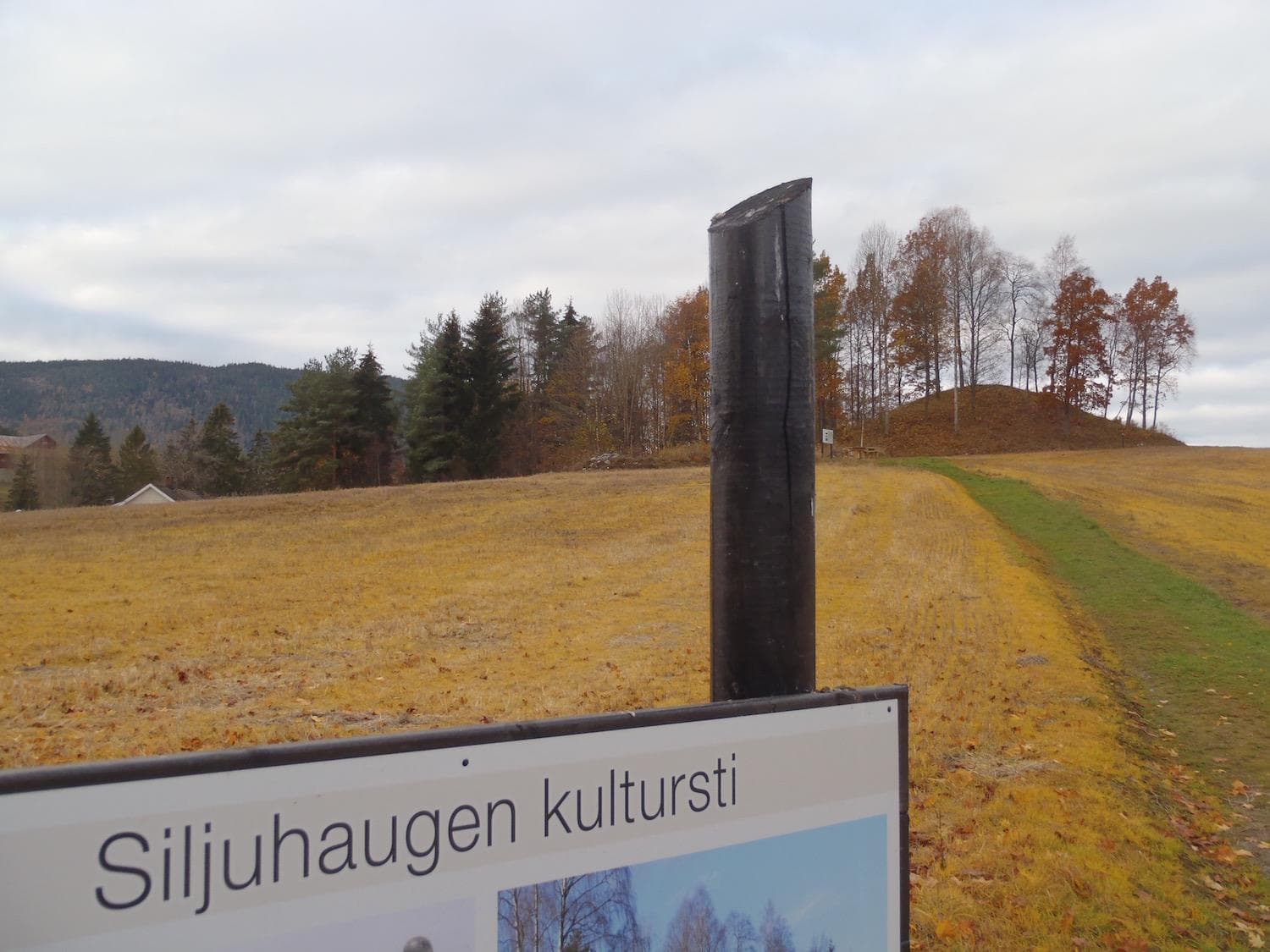
Siljuhaugen culture trail
3748 Siljan
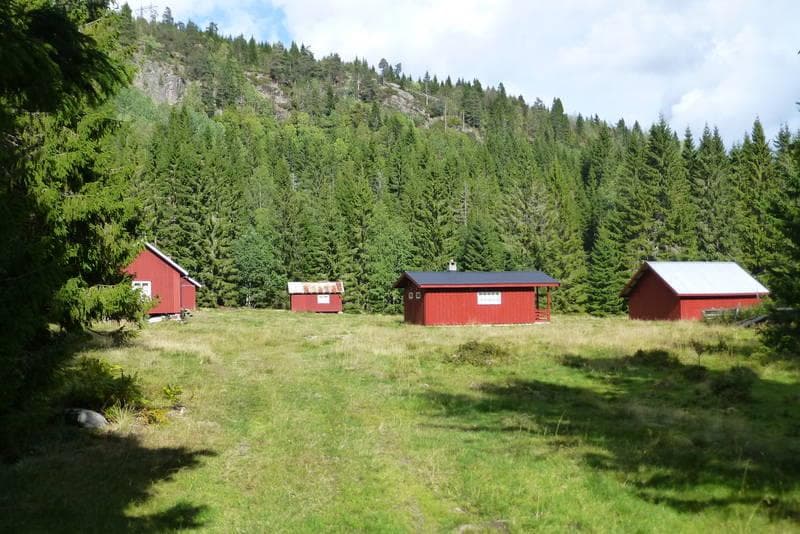
Hiking from Snurråsen to Prestegårdseter in Siljan
3748 Siljan
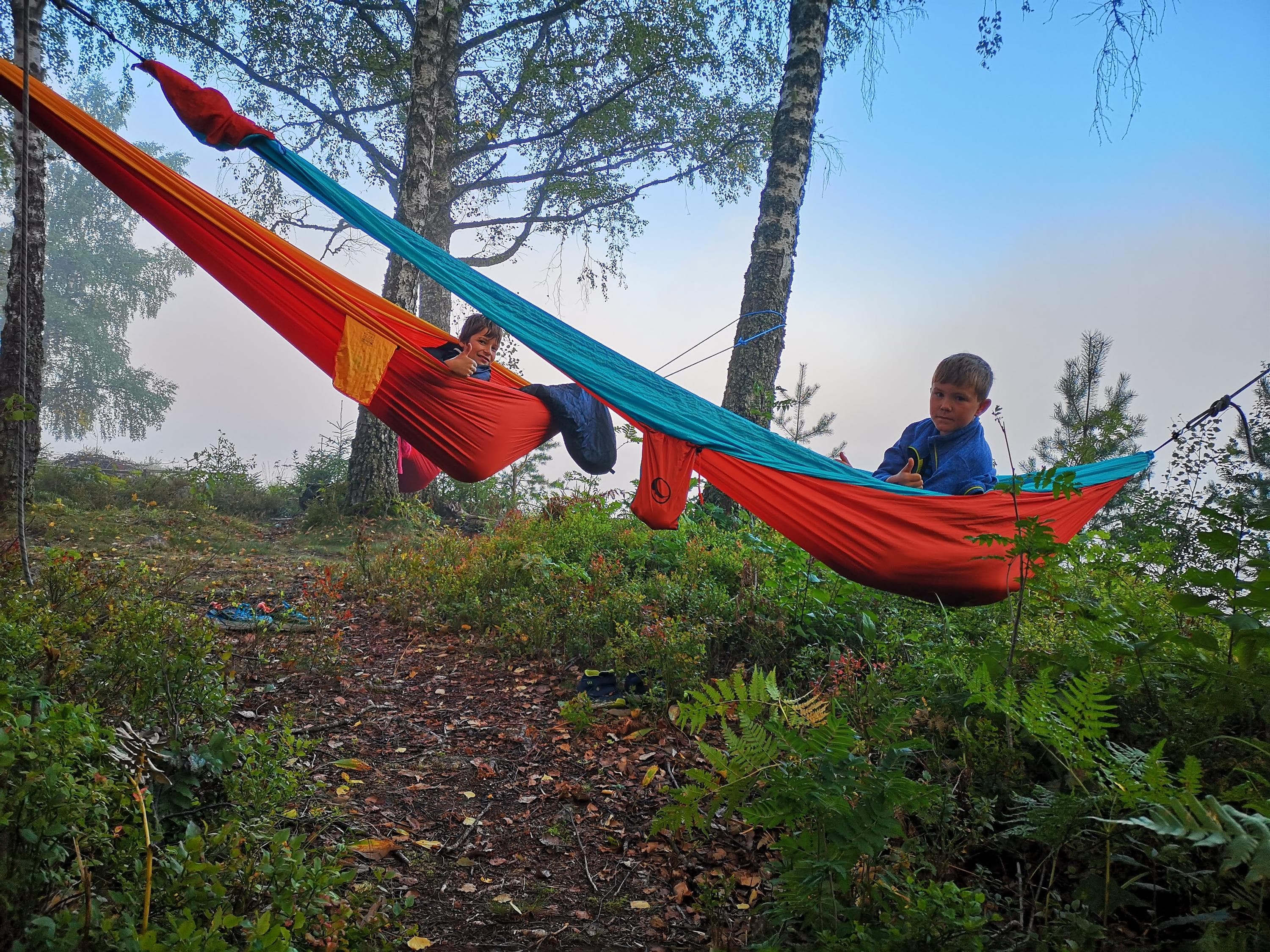
Walking areas in Siljan
Sentrumsvn. 105, 3749 Siljan
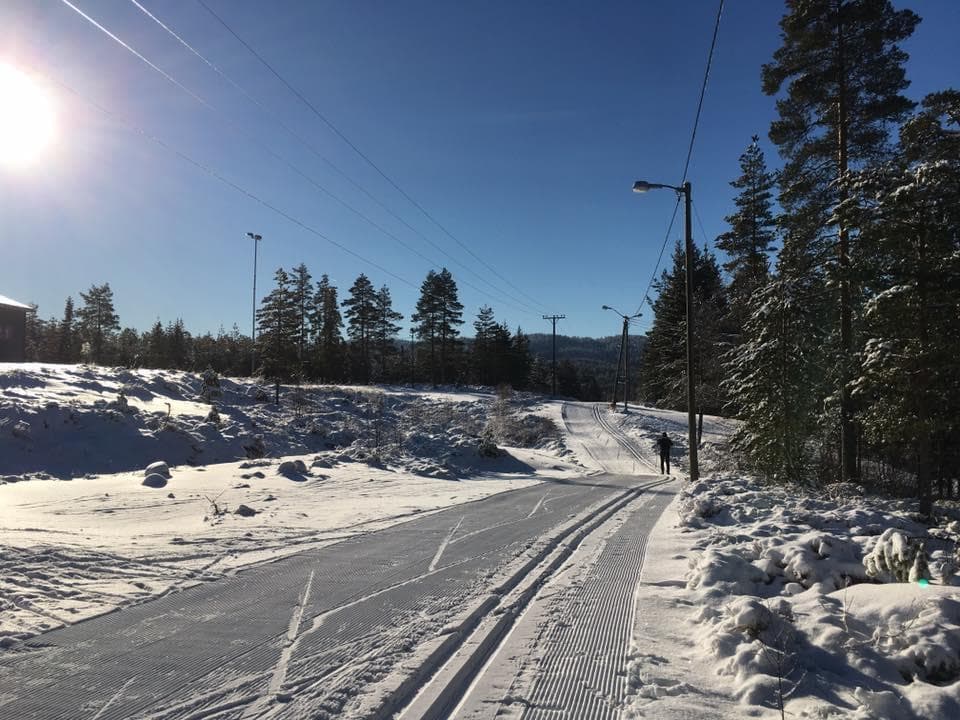
Hiking and ski activities in Siljan
3748 Siljan

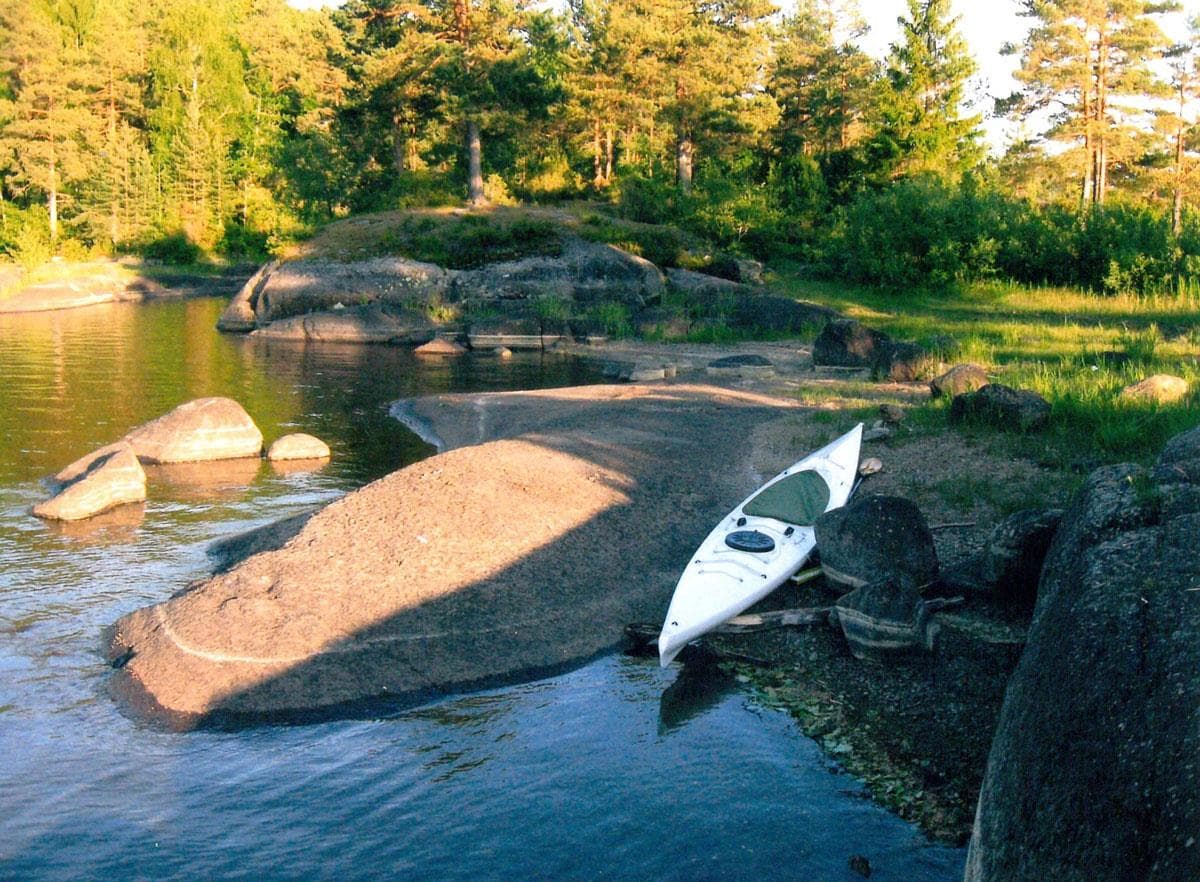
Canoeing in Siljan watercourse
3748 Siljan
Hiknig to Hovde
3748 Siljan
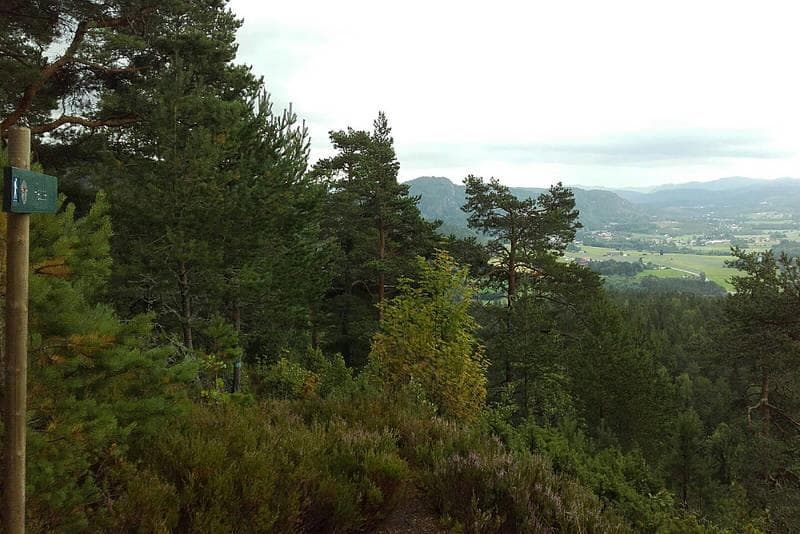
Top trip to Kløverrødkollen - round trip around Kløverødtjønn
3748 Siljan
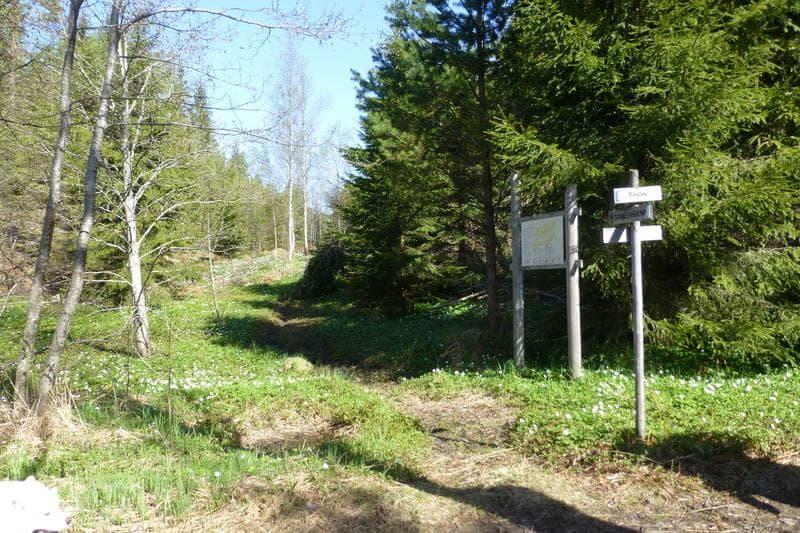
From Midtbygda school along the old road to Kikut
3748 Siljan

Hiking to Melakollen
3748 Siljan
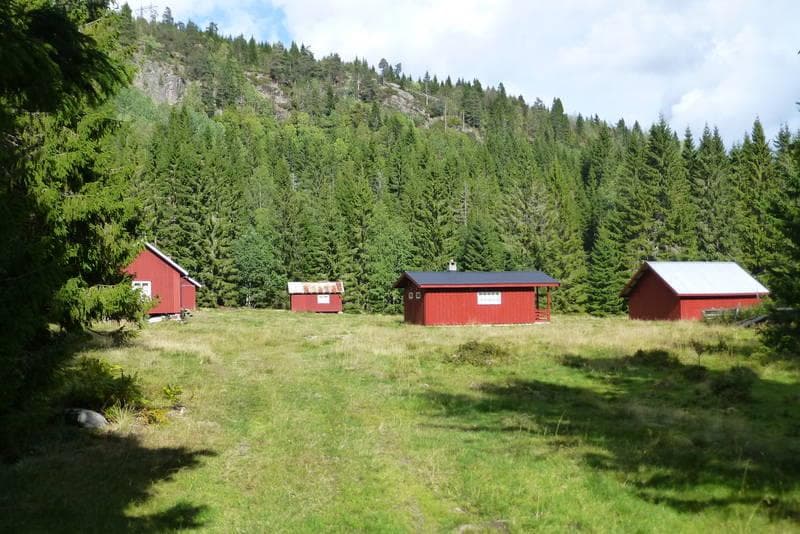
Hiking Brånaskottet to Prestegårdseter in Siljan
3748 Siljan
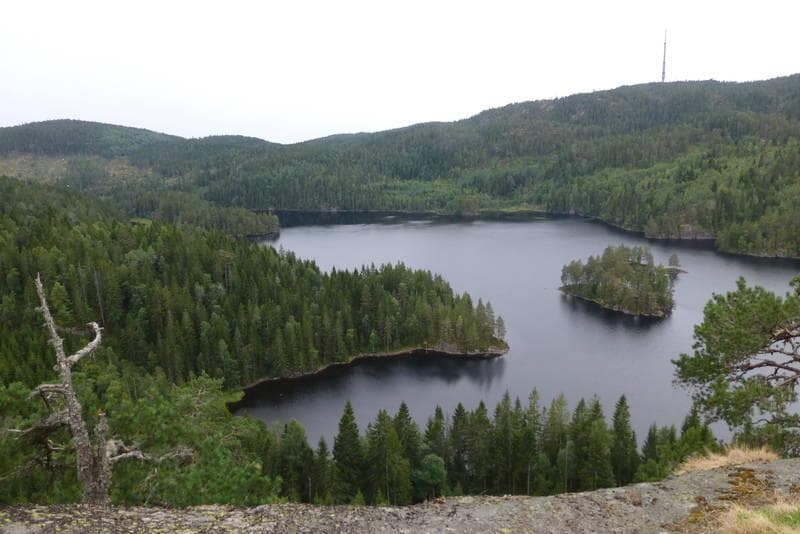
Hiking to Holmfjell
3748 Siljan