Gea Norvegica Unesco Global Geopark - Kapitelberget
Kapitelberget Skien: Medieval crypt church built on a 430M-year-old coral reef. A protected site with unique Silurian fossils.
About
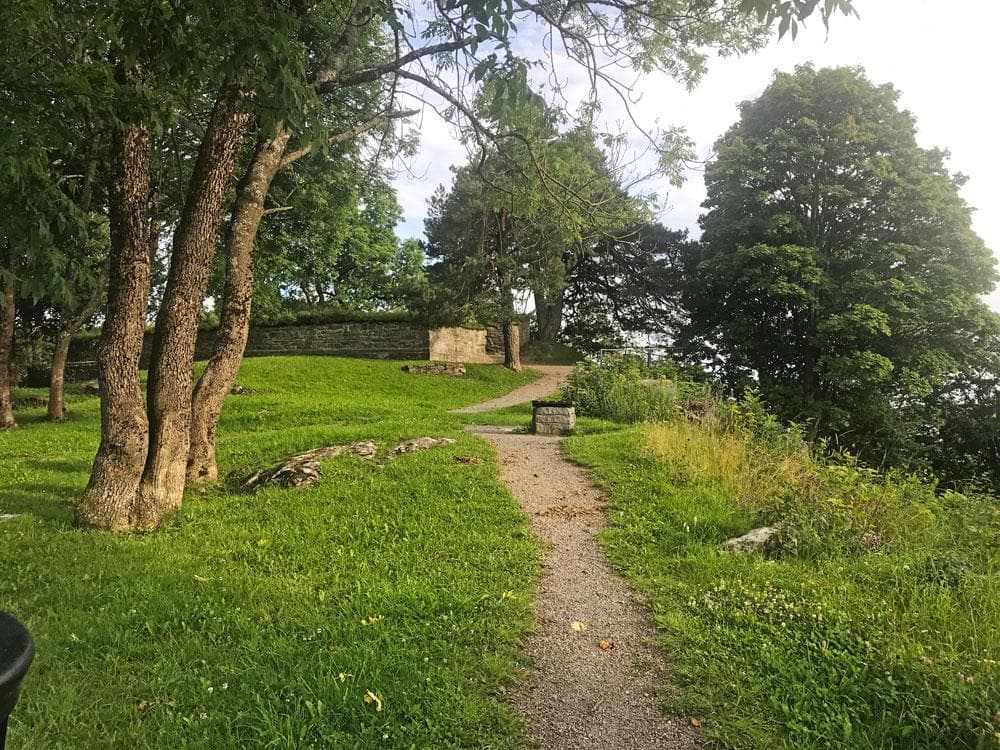
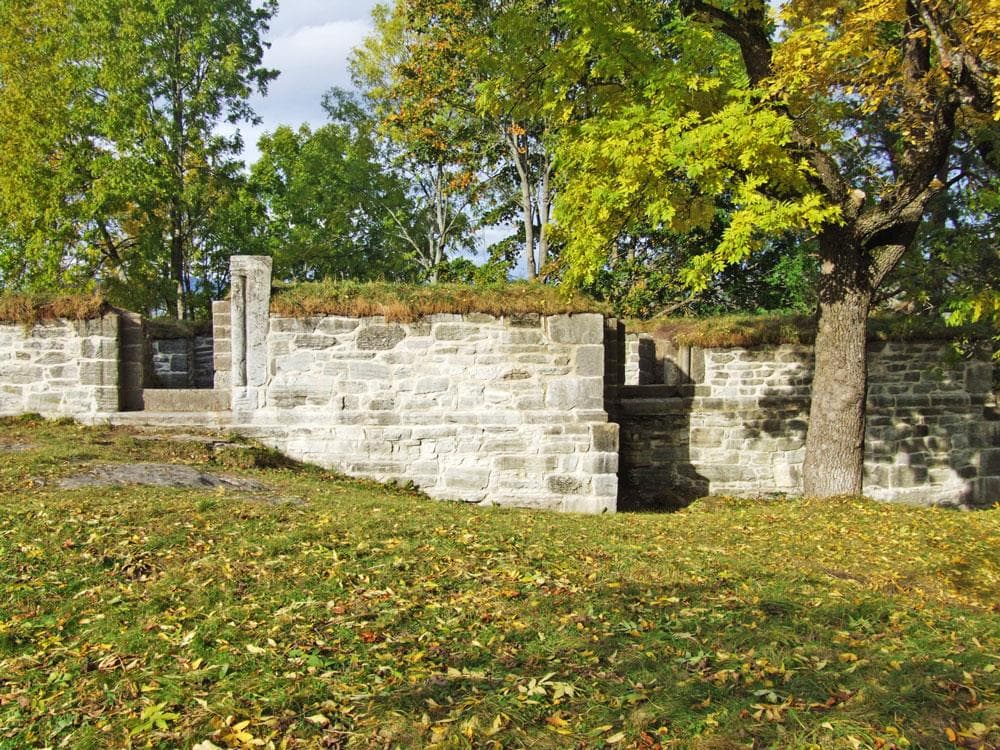
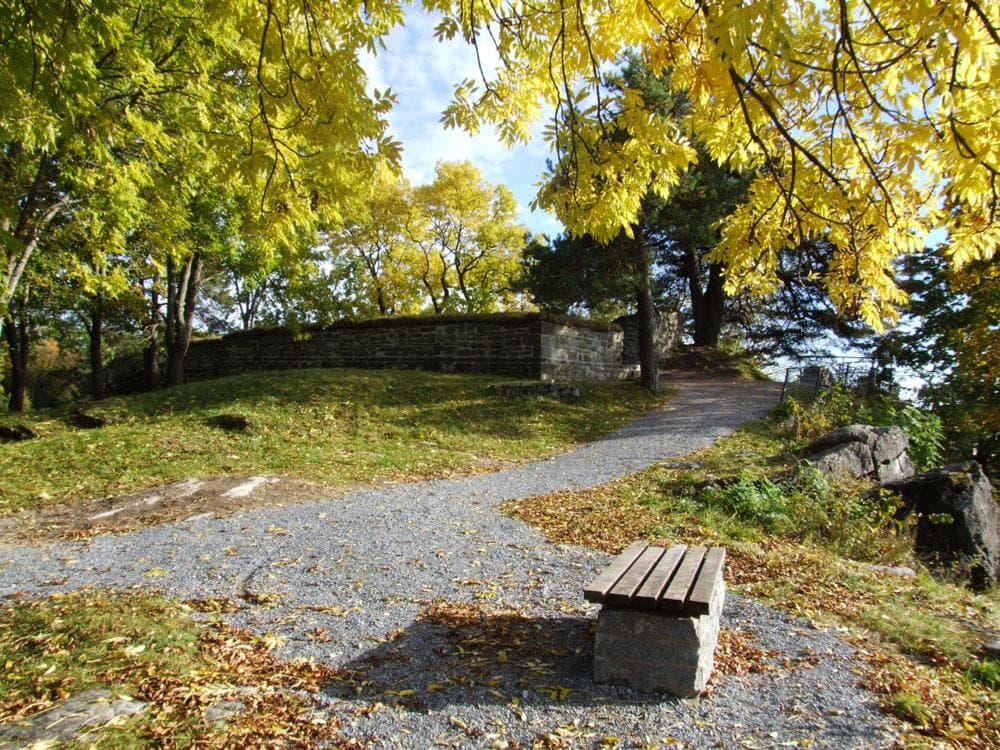
Kapitelberget in Skien is a fascinating and protected area that combines unique cultural history with exceptional natural history. Here lie the remains of a rare Medieval crypt church, built directly atop a 430 million-year-old fossil coral reef. This makes Kapitelberget one of the most special sites in the region for geologists and history enthusiasts alike.
Cultural History: The Rare Crypt Church
The church ruin at Kapitelberget is a rarity in Norway.
Construction Date: The church was likely erected in the 12th century.
Purpose: It probably served as a holy site for a powerful local family.
Crypt Church: This was a crypt church, meaning it featured a crypt beneath the altar. The crypt was typically used for the storage of relics.
National Rarity: Only four such churches are known in Norway.
Building Material: The foundation stones making up the ruin's walls were likely sourced from the immediate areas surrounding Kapitelberget.
Natural History: Fossils from the Silurian Period
The foundation of the church is a geological marvel – a coral reef dating back to the Silurian Period, over 430 million years ago.
Earth's Condition: During the Silurian Period, the continental fragment containing Norway (Baltica) was located south of the equator. The area was covered by a shallow, crystal-clear sea.
Living Conditions: These were excellent conditions for corals and other marine life. It was also during this period that life on land began to develop.
Typical Fossils: At Kapitelberget, visitors can find typical fossil remains of:
- Sea lilies (crinoids)
- Honeycomb corals (tabulate corals)
- Cup corals (rugose corals)
- Chain corals
- Stromatoporoids (an extinct type of sponge)
Protected Area: Preserving the Heritage
Kapitelberget is a protected area established to conserve both the unique church ruin and the invaluable fossils.
We ask all visitors to help us take care of this special place. This includes not removing fossils or damaging the church ruin. Please respect the rules for movement within a protected cultural and natural site.
Contact
post@geanor.no
Location
Practical information
- Other attractions
Nearby events




"En Showgirls bekjennelse" med Guri Schanke – 12. november på Quality Hotel™ Skjærgården
Stathelleveien 35, 3970 Langesund


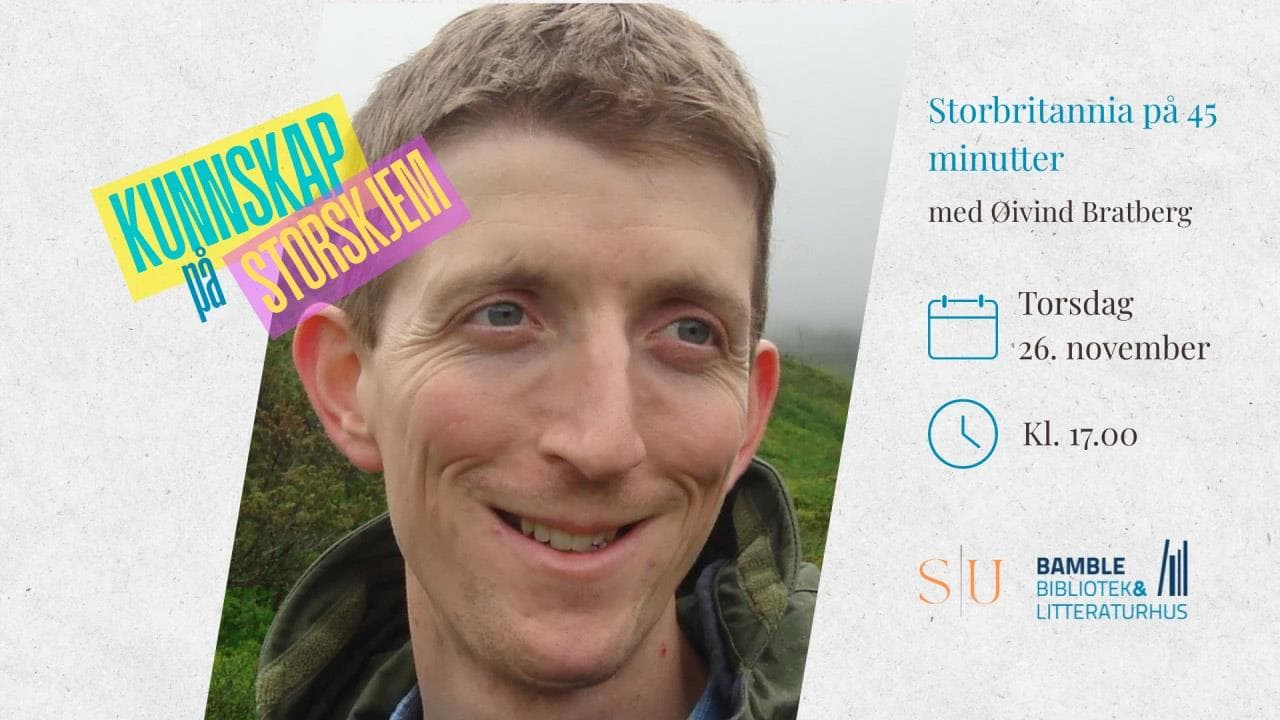
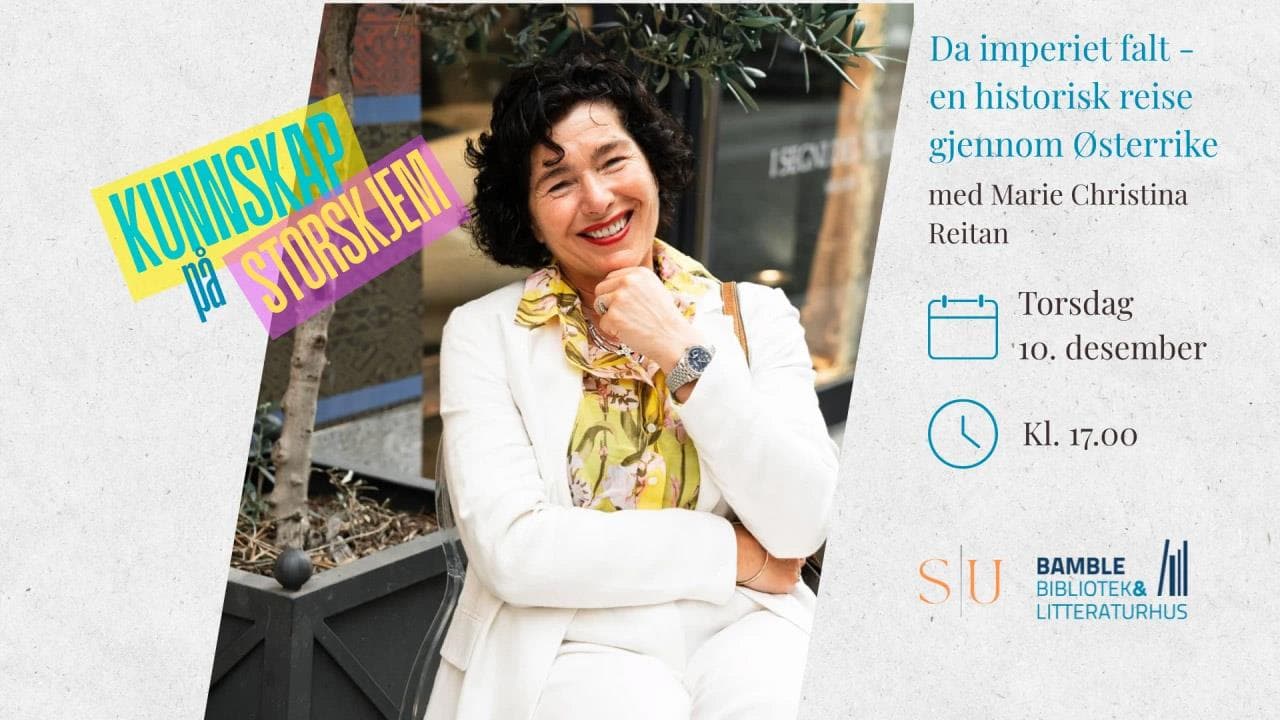
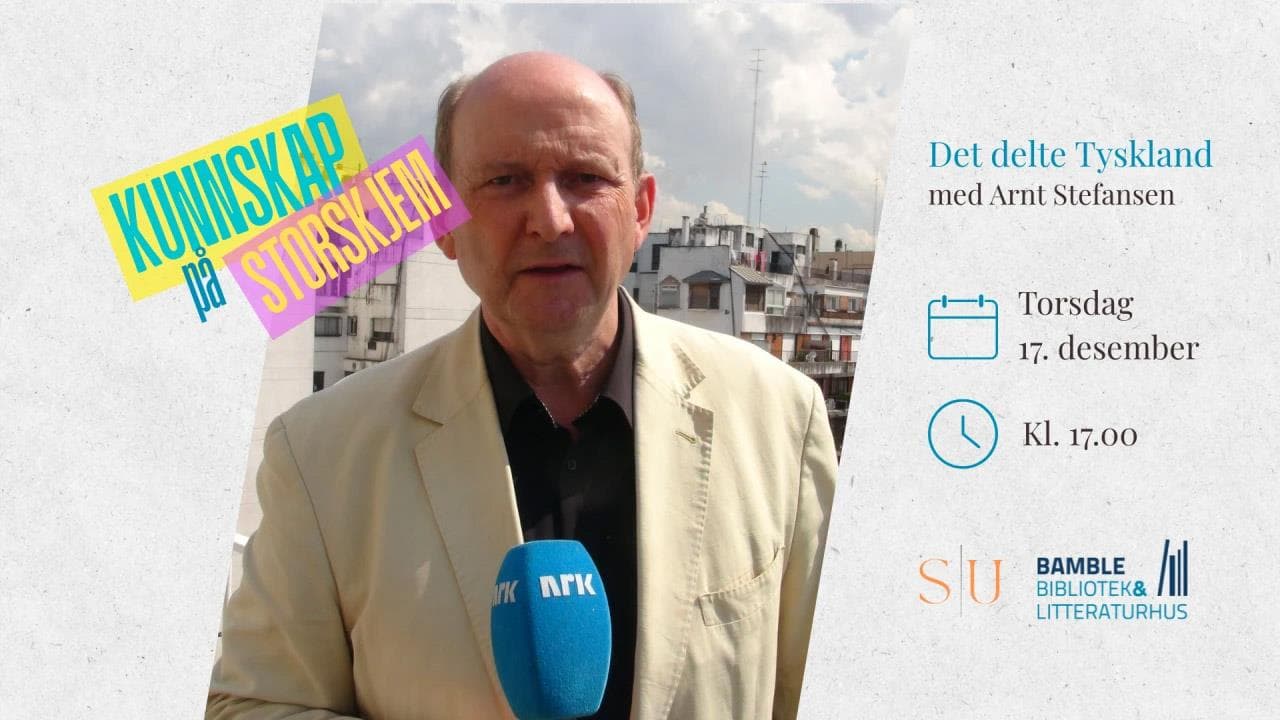
Kunnskap på storskjerm: Da imperiet falt - en historisk reise gjennom Østerrike
Krabberødstrand 14, 3960 Stathelle
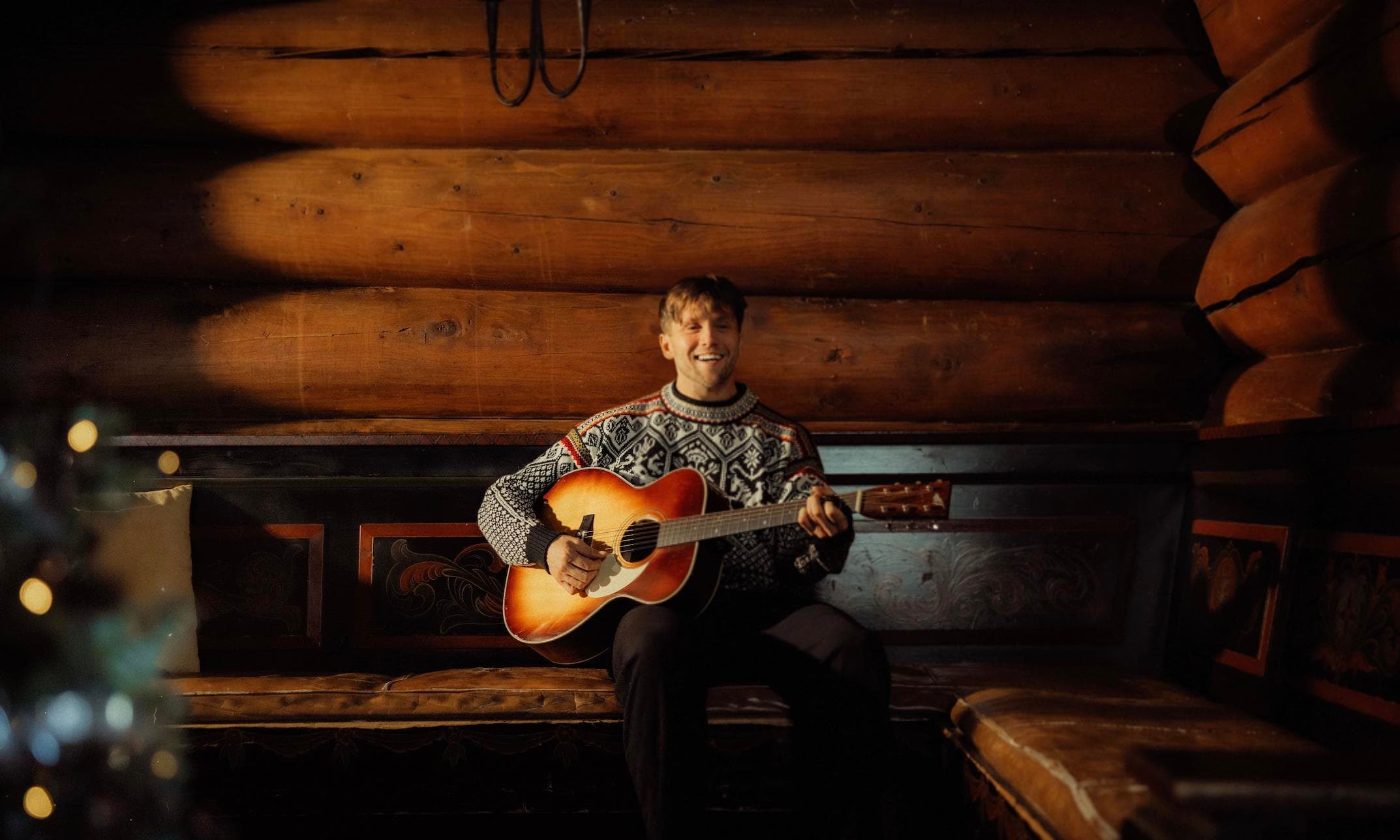

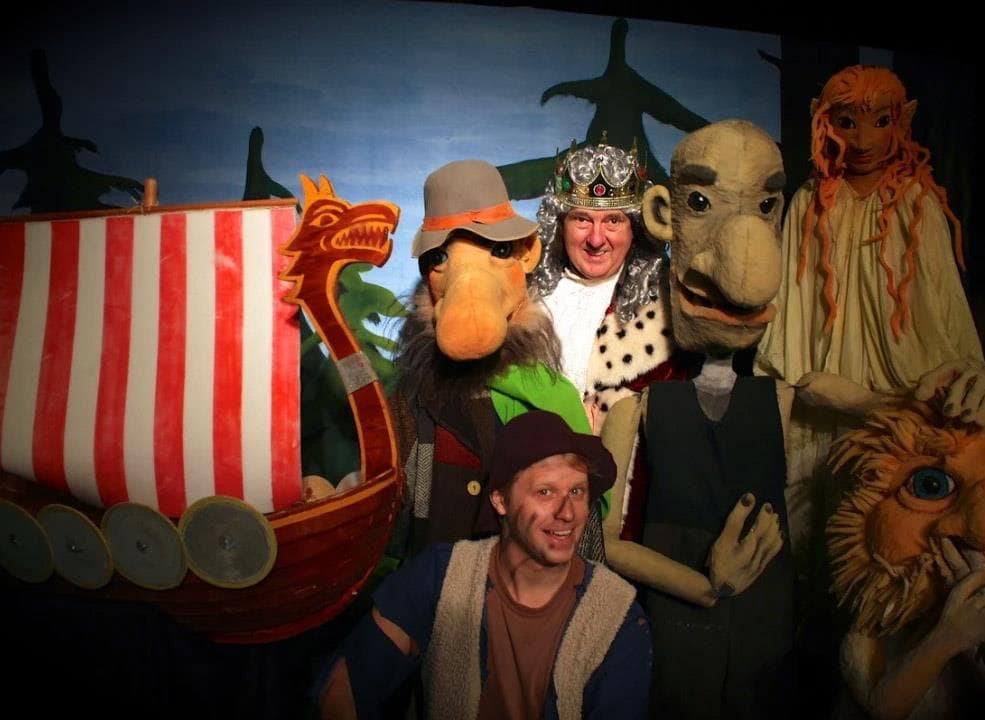
Barnas Jul med Erik & Kalle - 29.desember på Quality Hotel™ Skjærgården
Stathelleveien 35, 3970 Langesund

Related
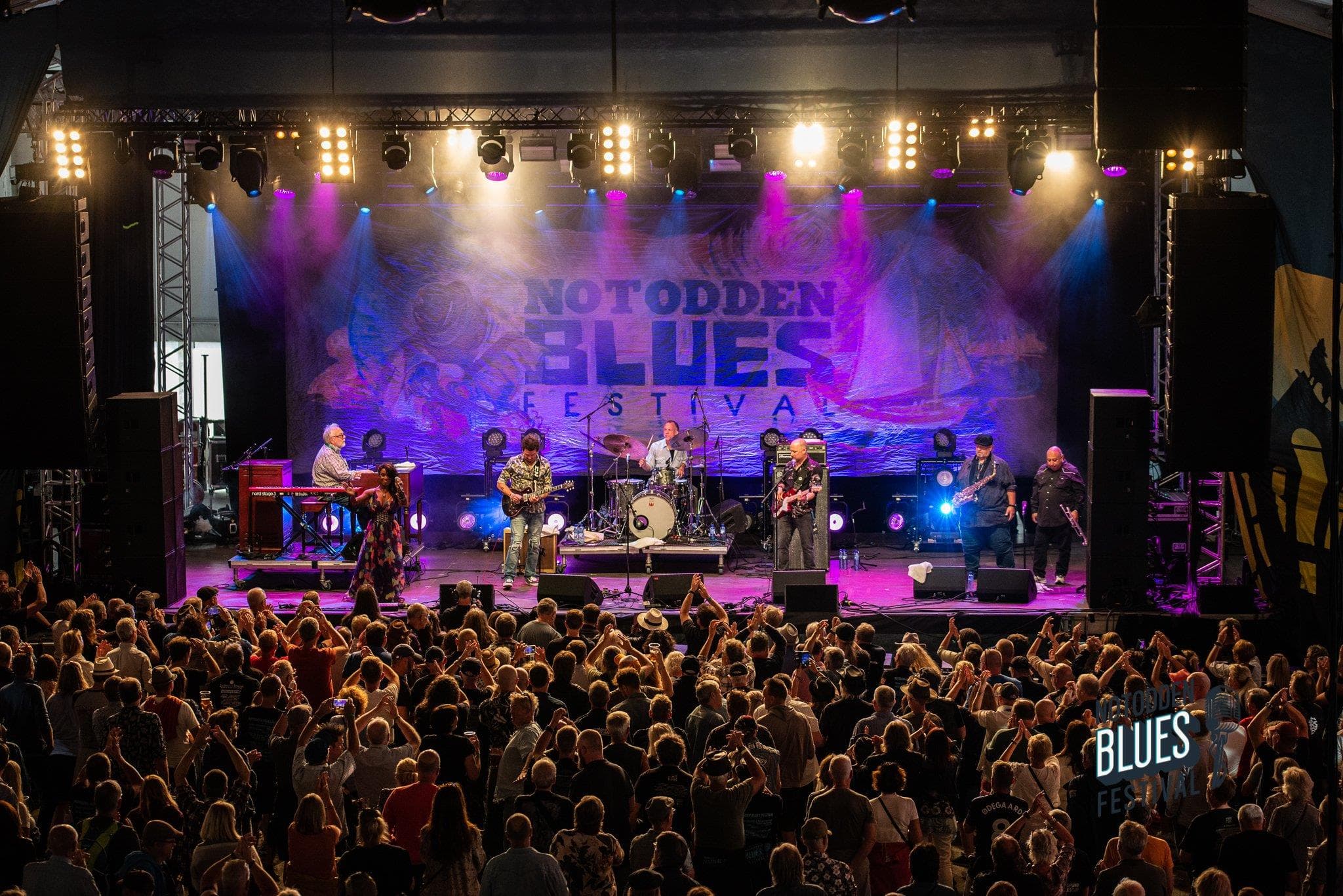
Notodden Blues Festival
Storgata 1, 3676 Notodden
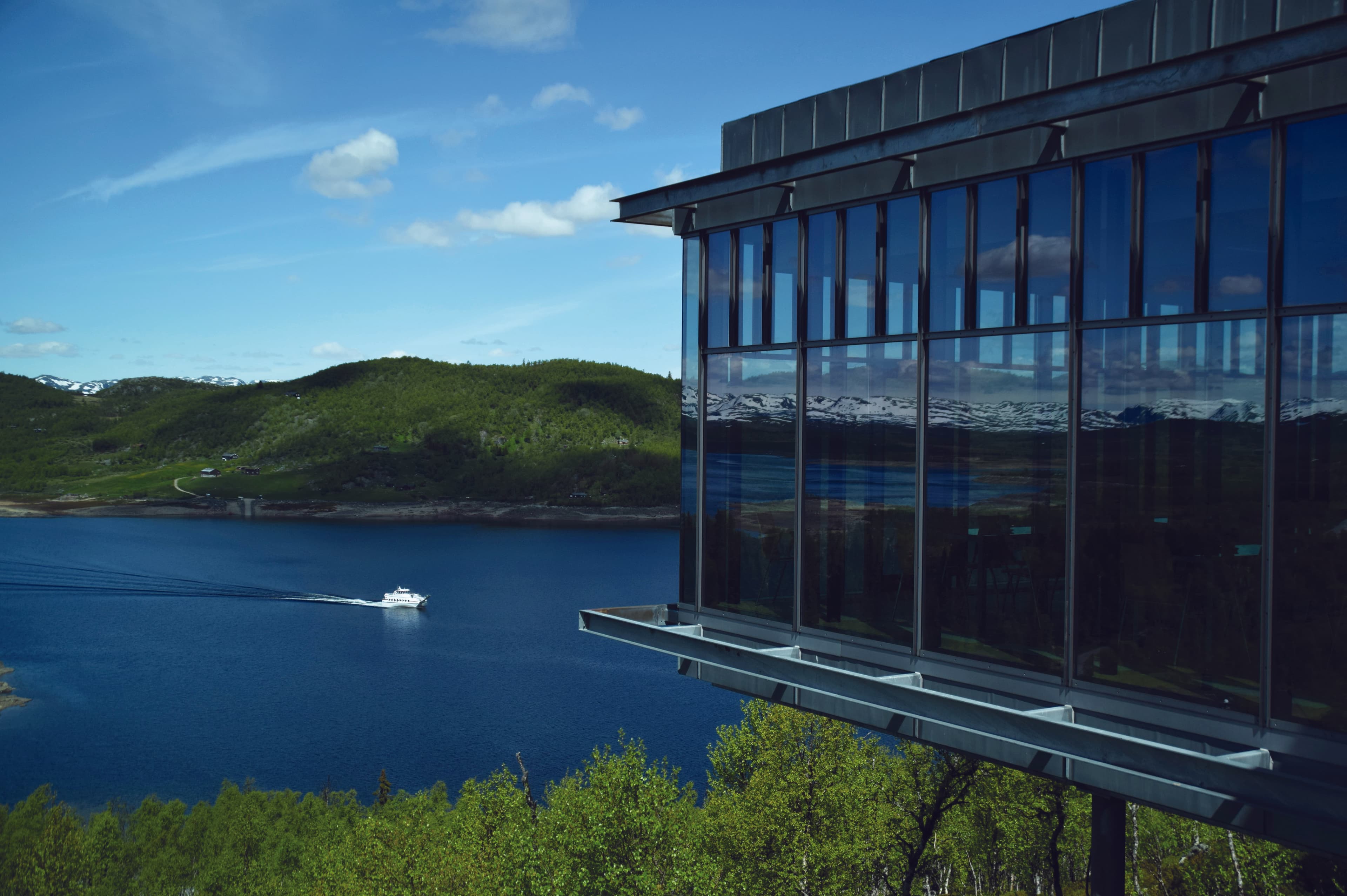
Hardangervidda National Park Visitor Centre
Møsvannsveien 1149, Rjukan
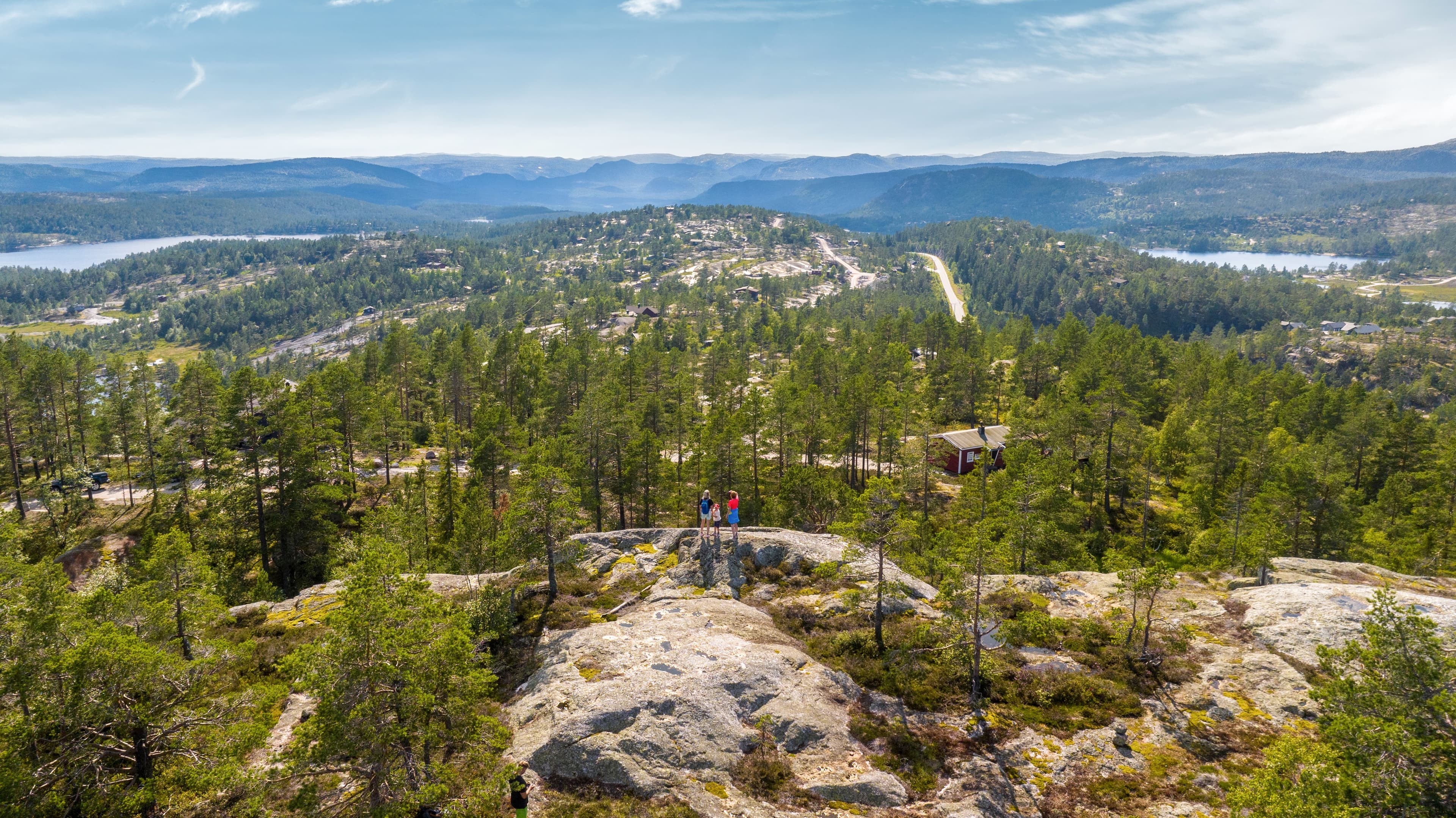
Guided hike with the landowner at Gautefallheia Sverre Tveit
Felehovet Sør 1, 3855 Treungen
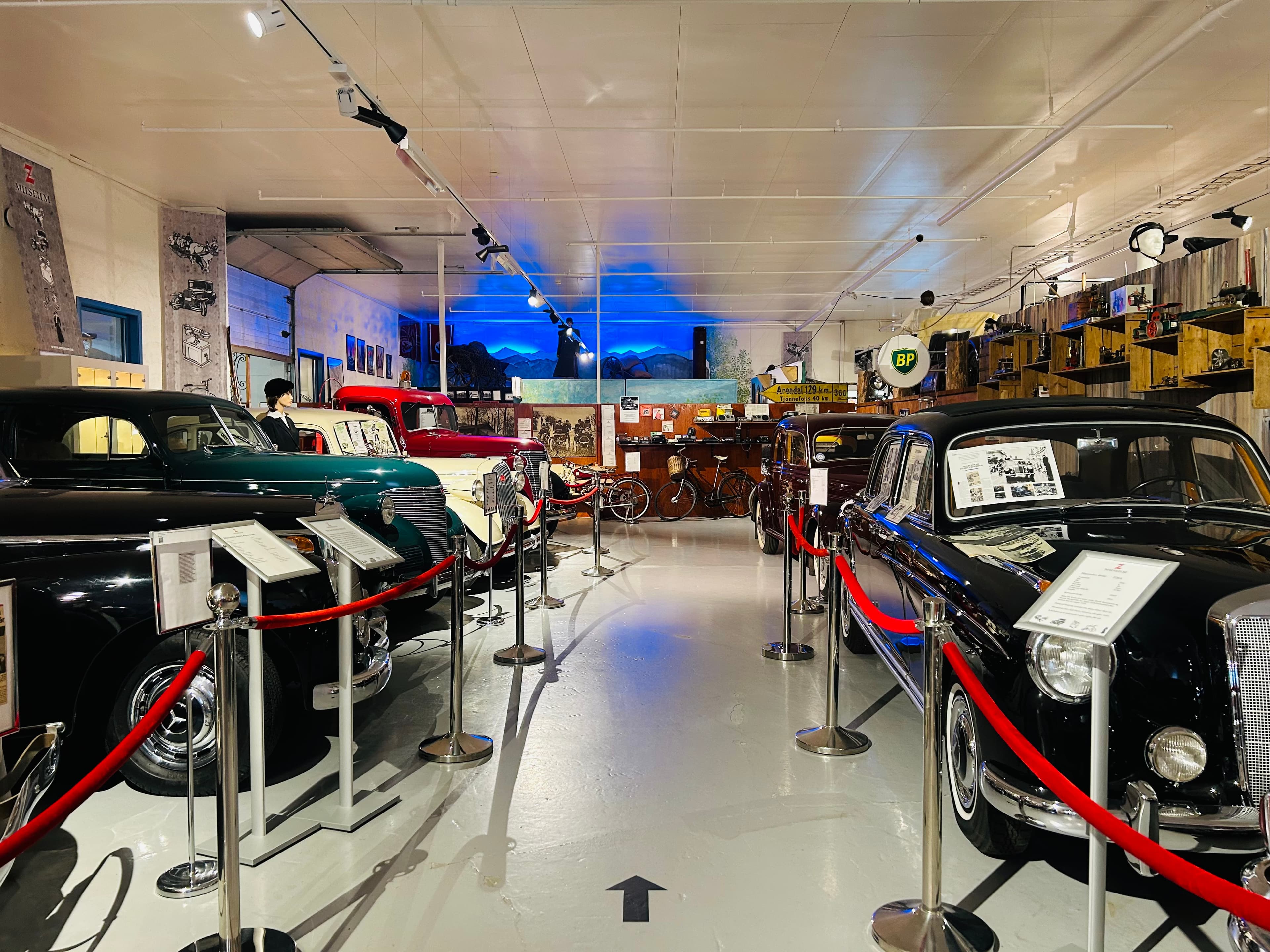
Z Museum in Treungen
Sundsmoen 27, 3855 Tveitsund
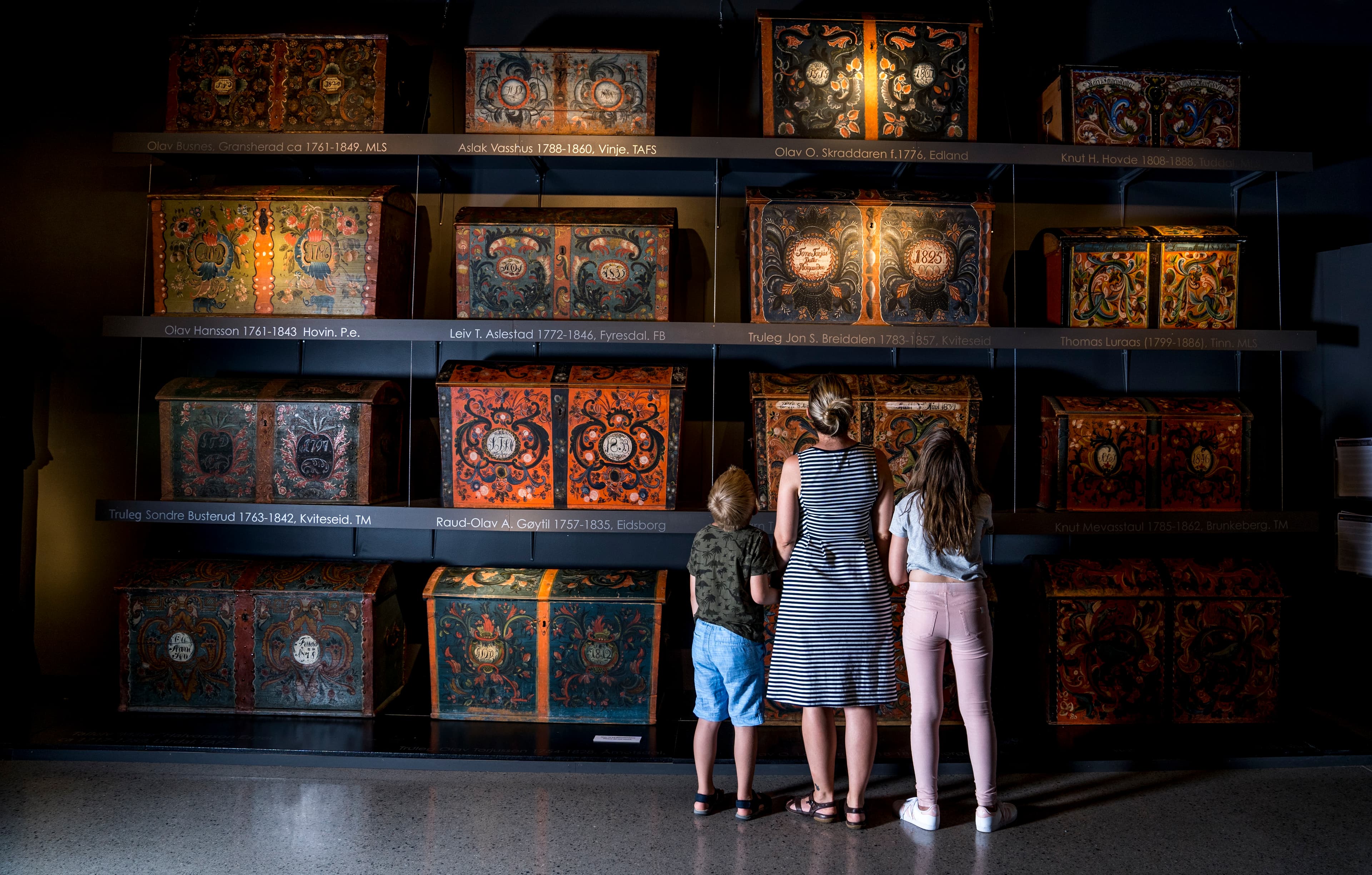
Entrance Ticket – Vest-Telemark Museum with Eidsborg Stave Church
Museumsvegen 9, 3891 Høydalsmo
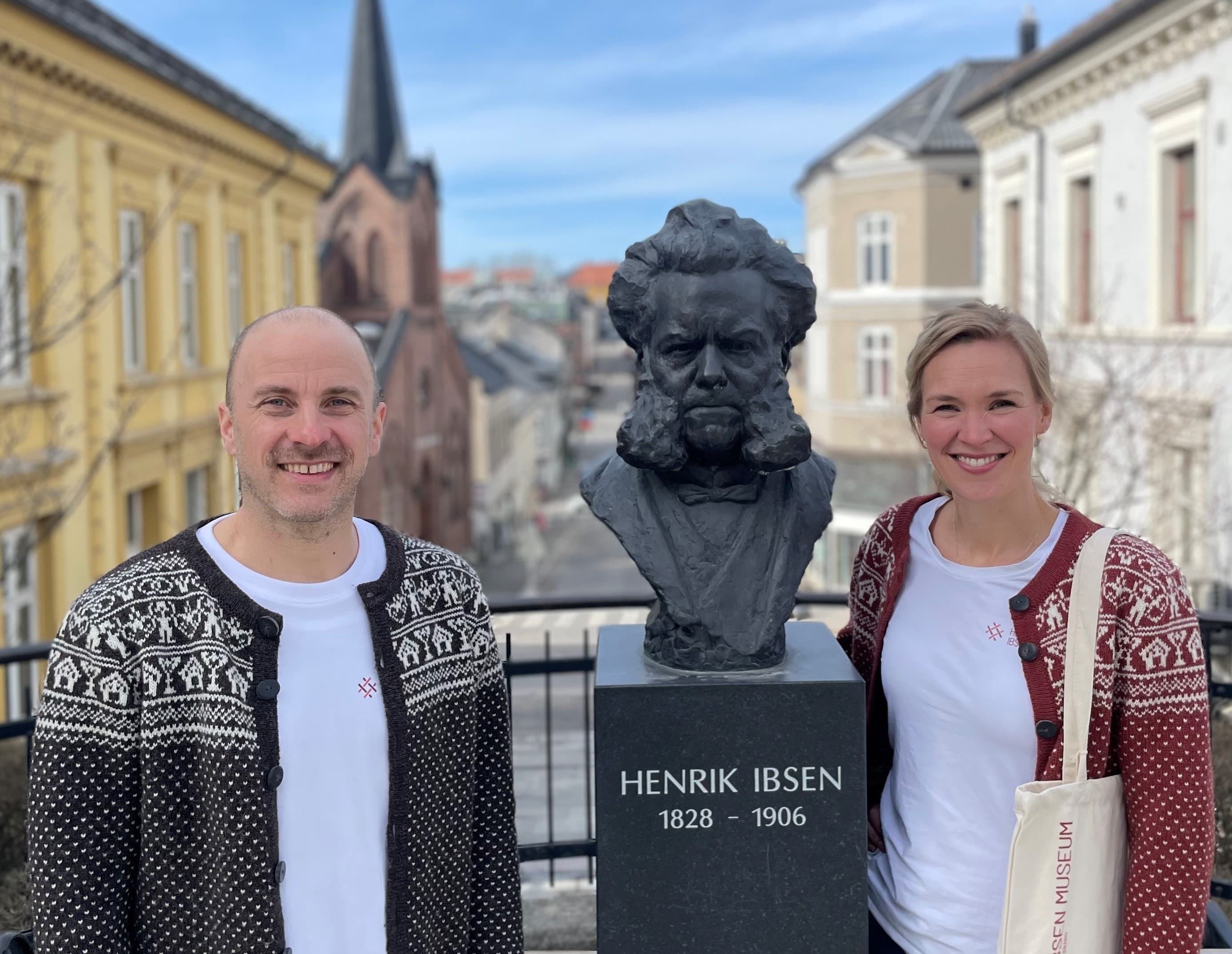
In the Footsteps of Ibsen in Skien
Øvregate 32a, 3715 Skien
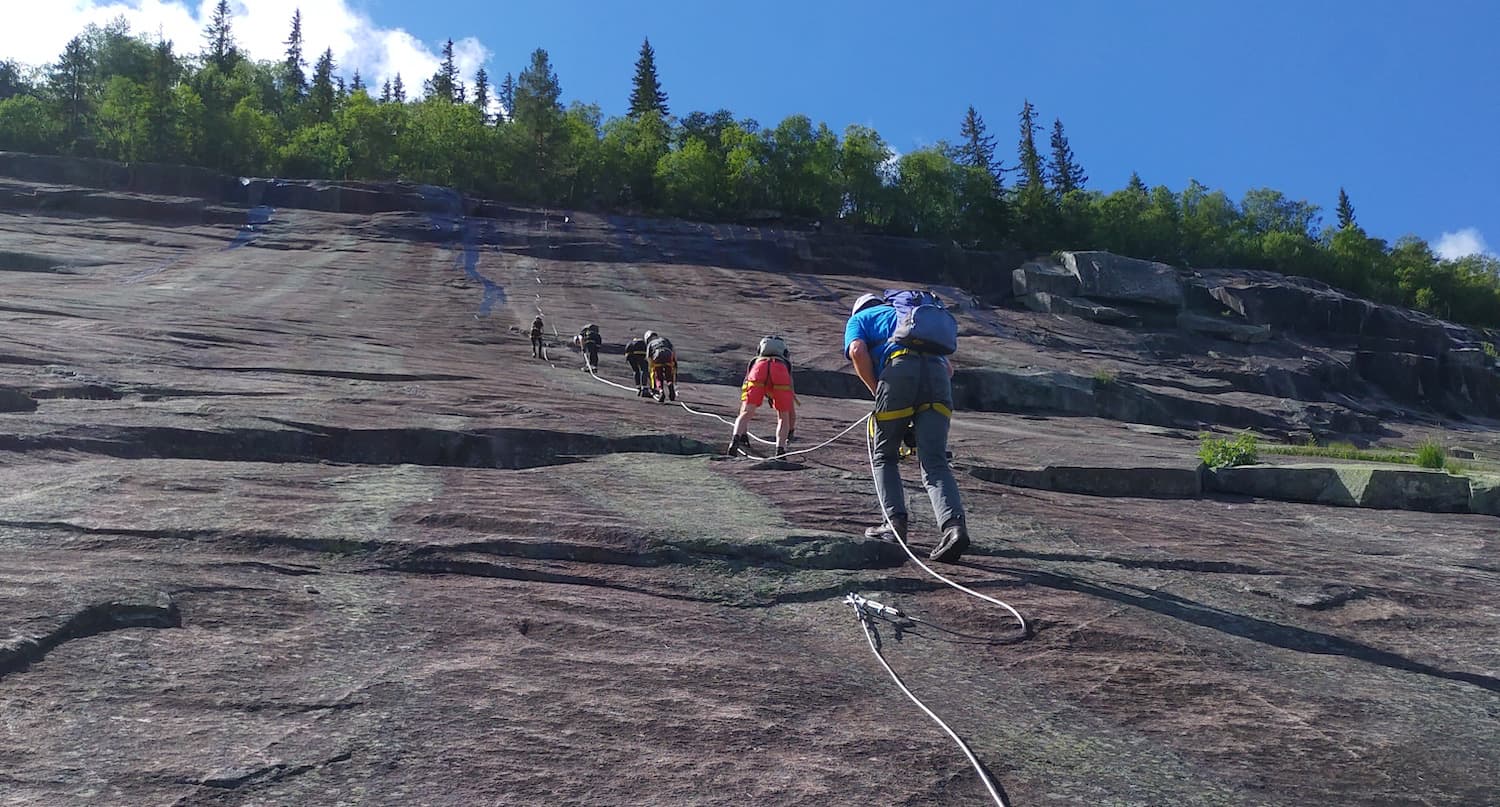
Via Ferrata in Fyresdal
Telemark Camping, Fyresdal, Norge
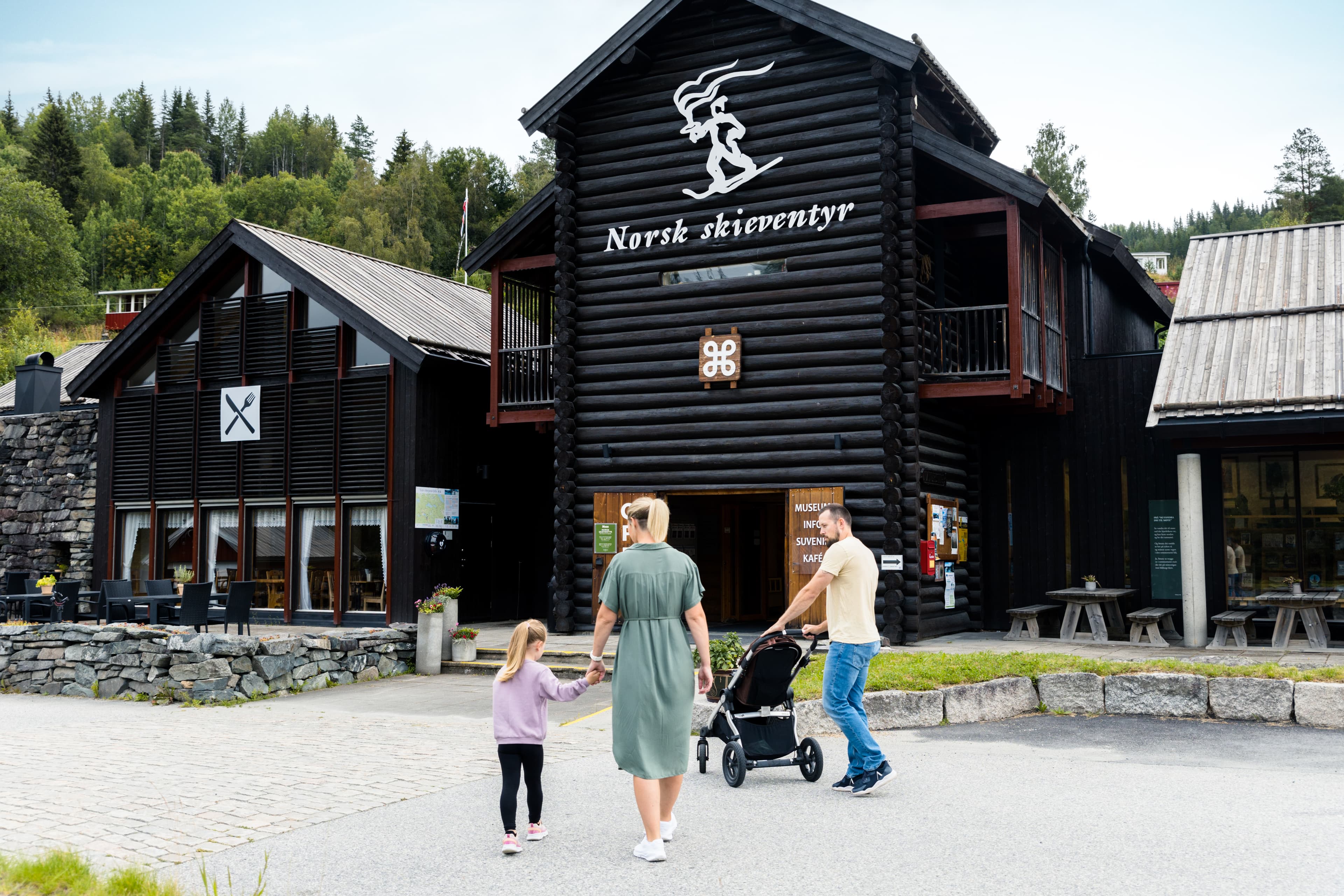
Admission Ticket – Norwegian Ski Adventure, Morgedal
Morgedalvegen 159, 3848 Morgedal
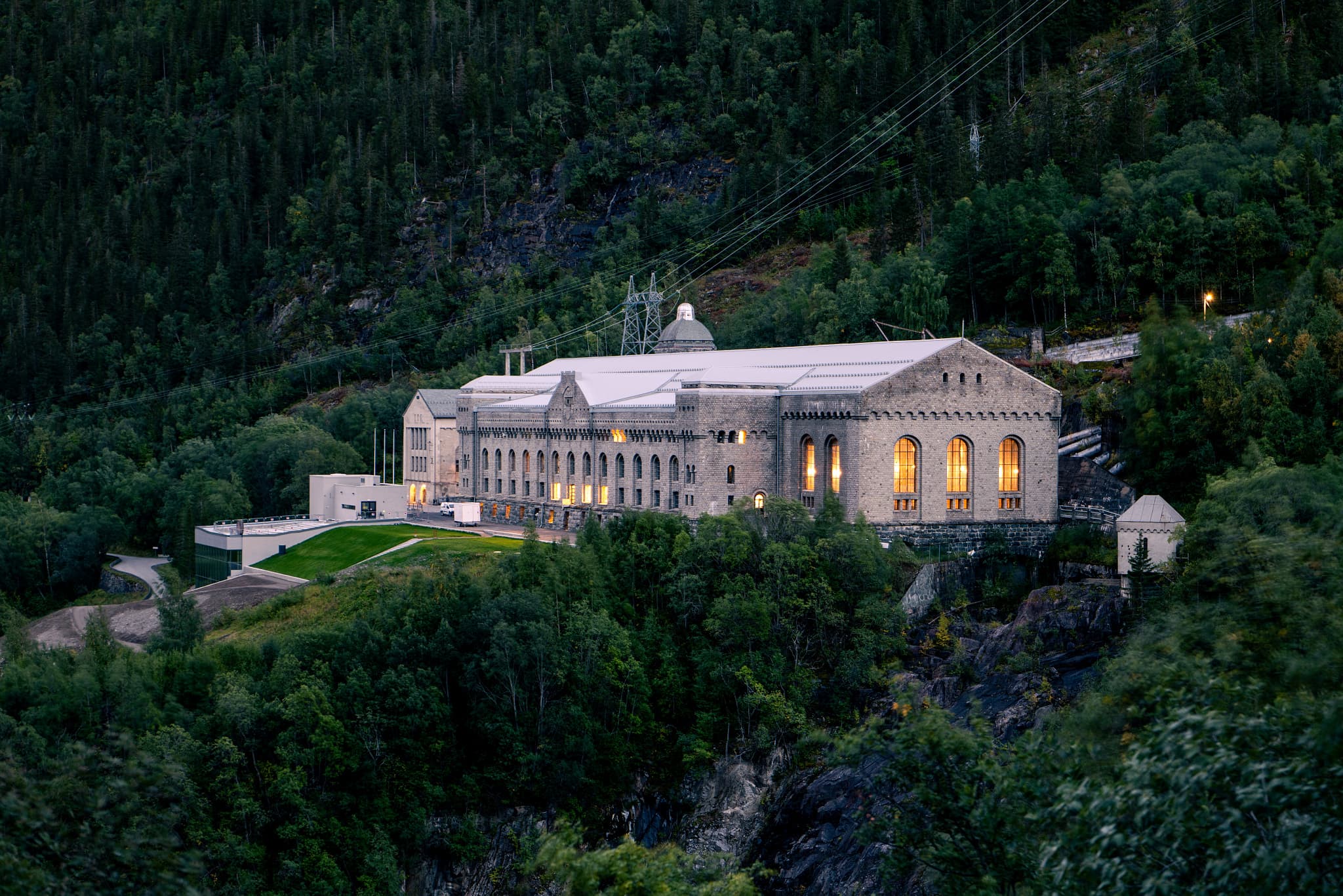
Entrance to The Norwegian Industrial Workers Museum - Vemork
Norsk Industriarbeidermuseum Vemork, 3660 Rjukan
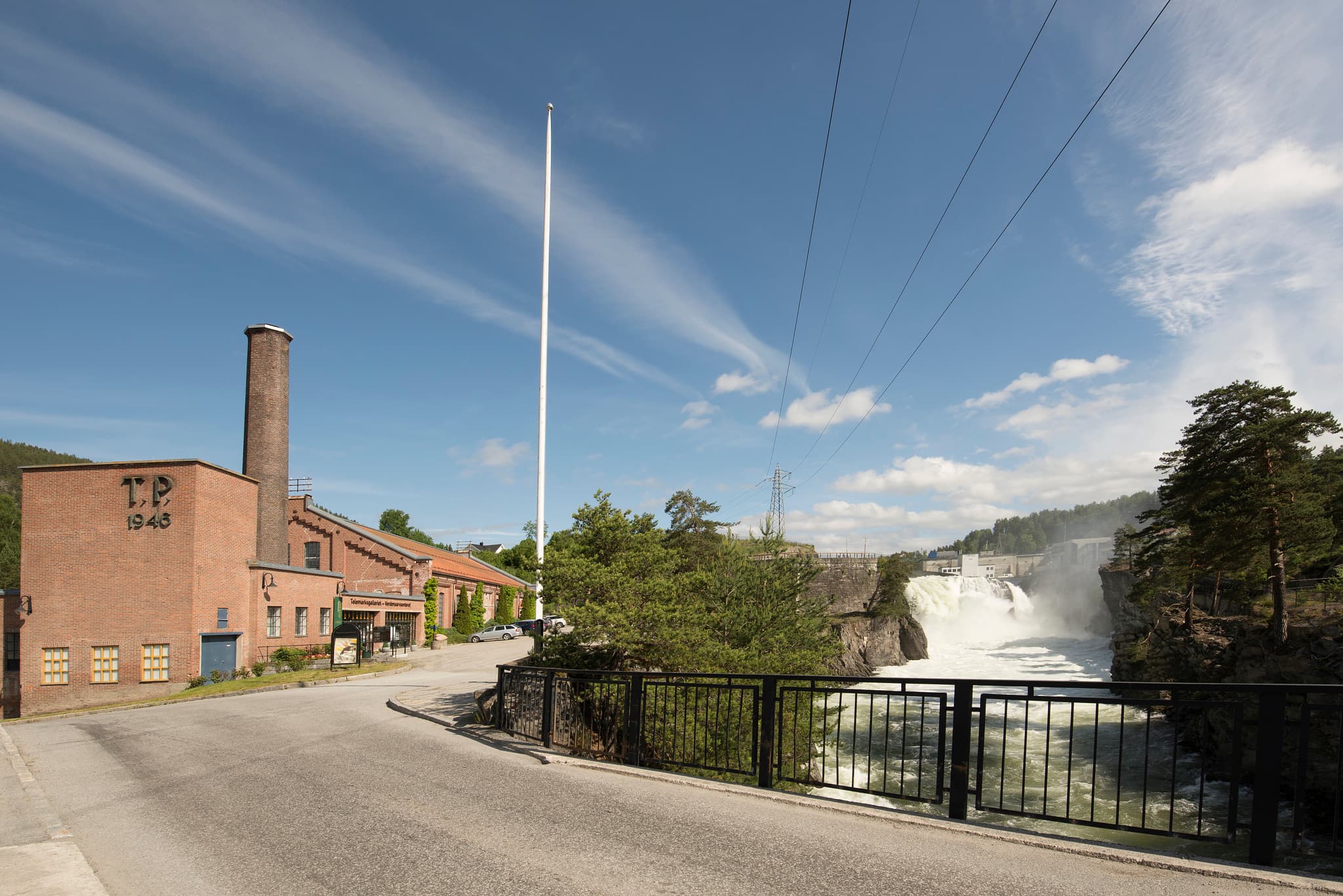
Entrance to Telemark Kunstmuseum
O. H. Holtas gate 27, 3678 Notodden
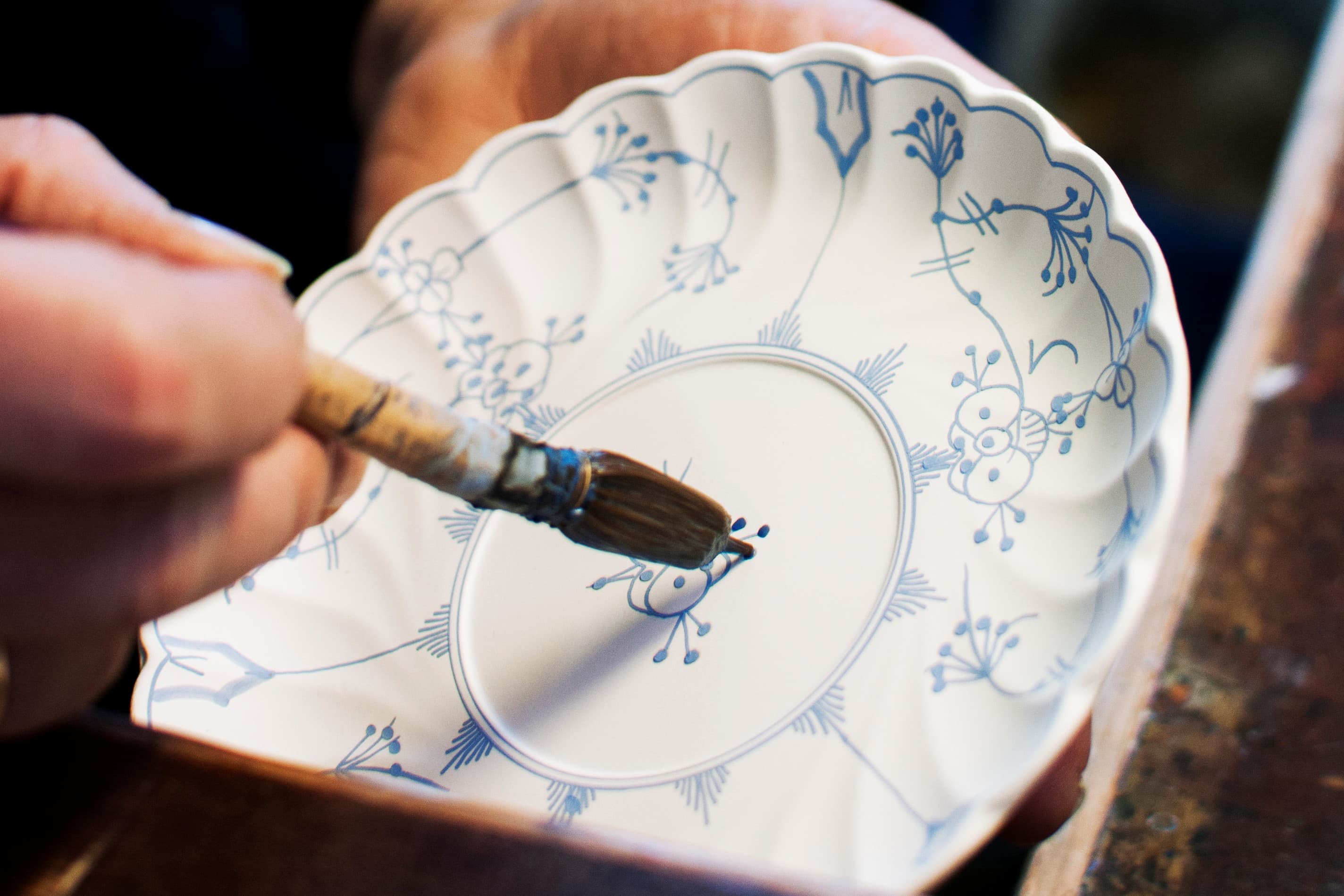
One-Day Ticket to the Porcelain Museum - Telemark Museum
Porselensvegen 6b, 3920 Porsgrunn
One-Day Ticket: Brekkeparken – Telemark Museum
Telemark museum, Øvregate 32a, 3715 Skien
DuVerden Maritime Museum & Science Centre – Porsgrunn
Tollbugata 23, 3933 Porsgrunn
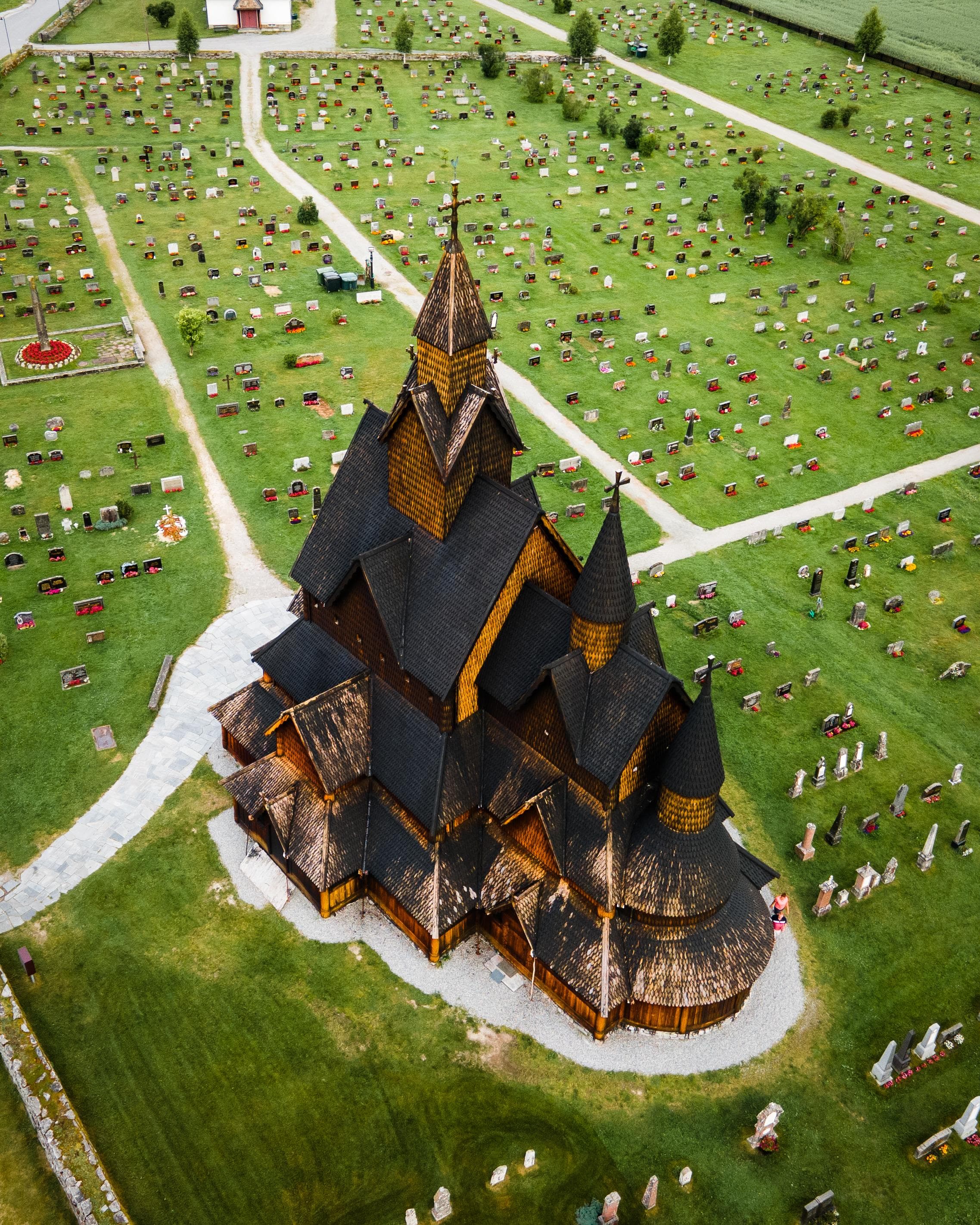
Heddal Stave Church
Heddalsvegen 412, 3676 Notodden
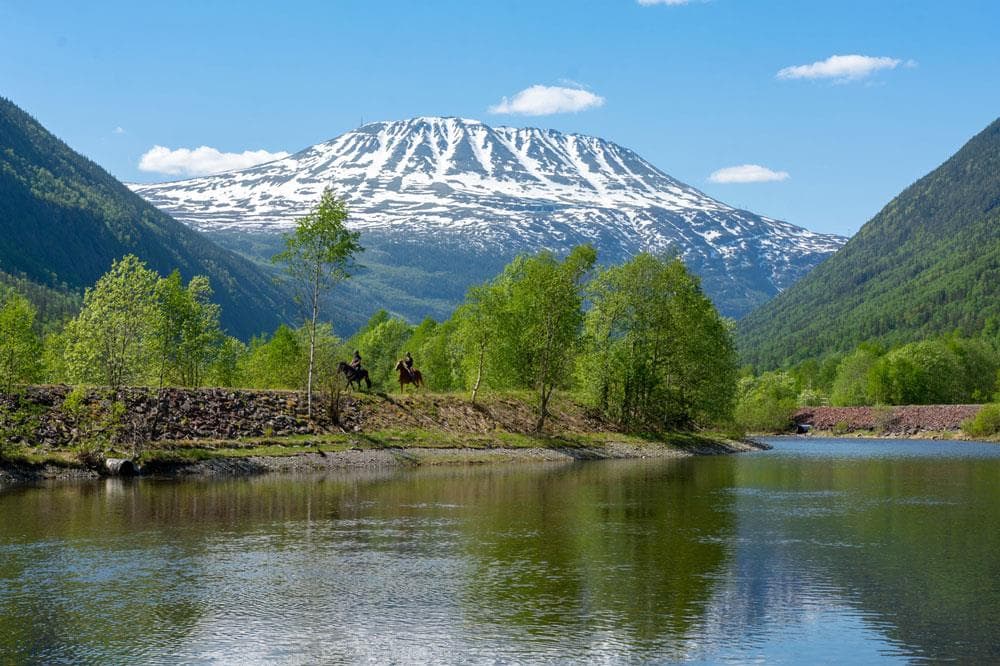
Gaustatoppen
Stavsro, 3660 Rjukan
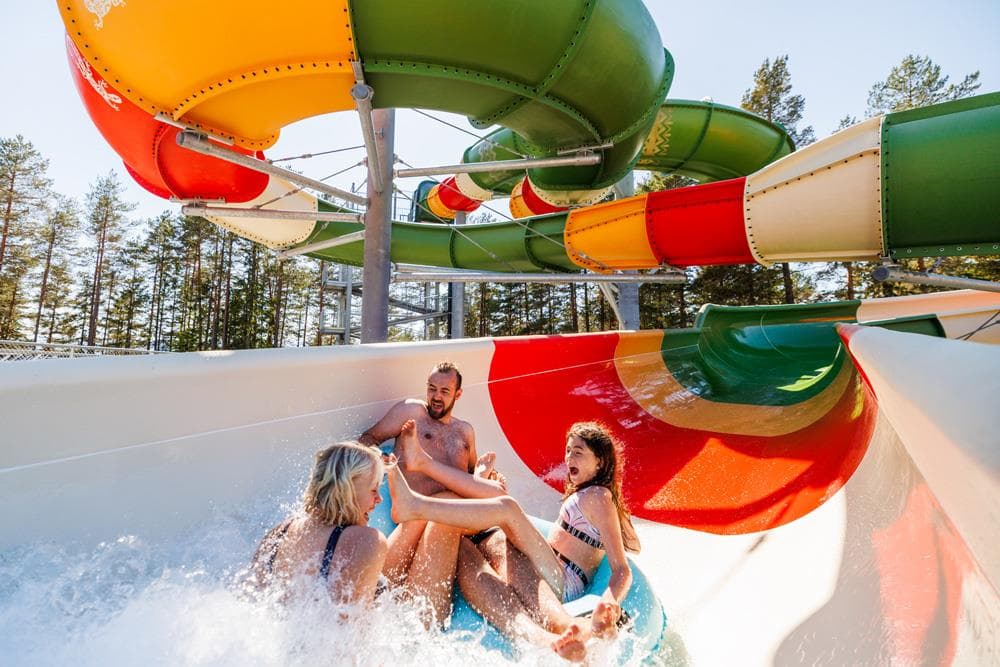
Bø Sommarland Waterpark
Steintjønnvegen 2, 3800 Bø i Telemark
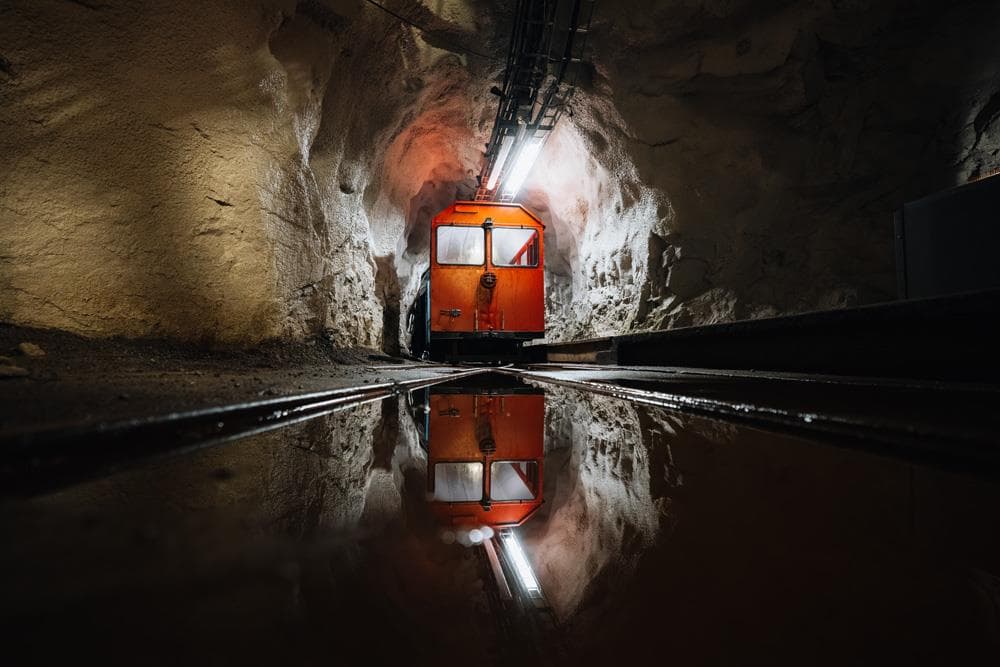
Gaustabanen
Langefonn, 3660 Rjukan
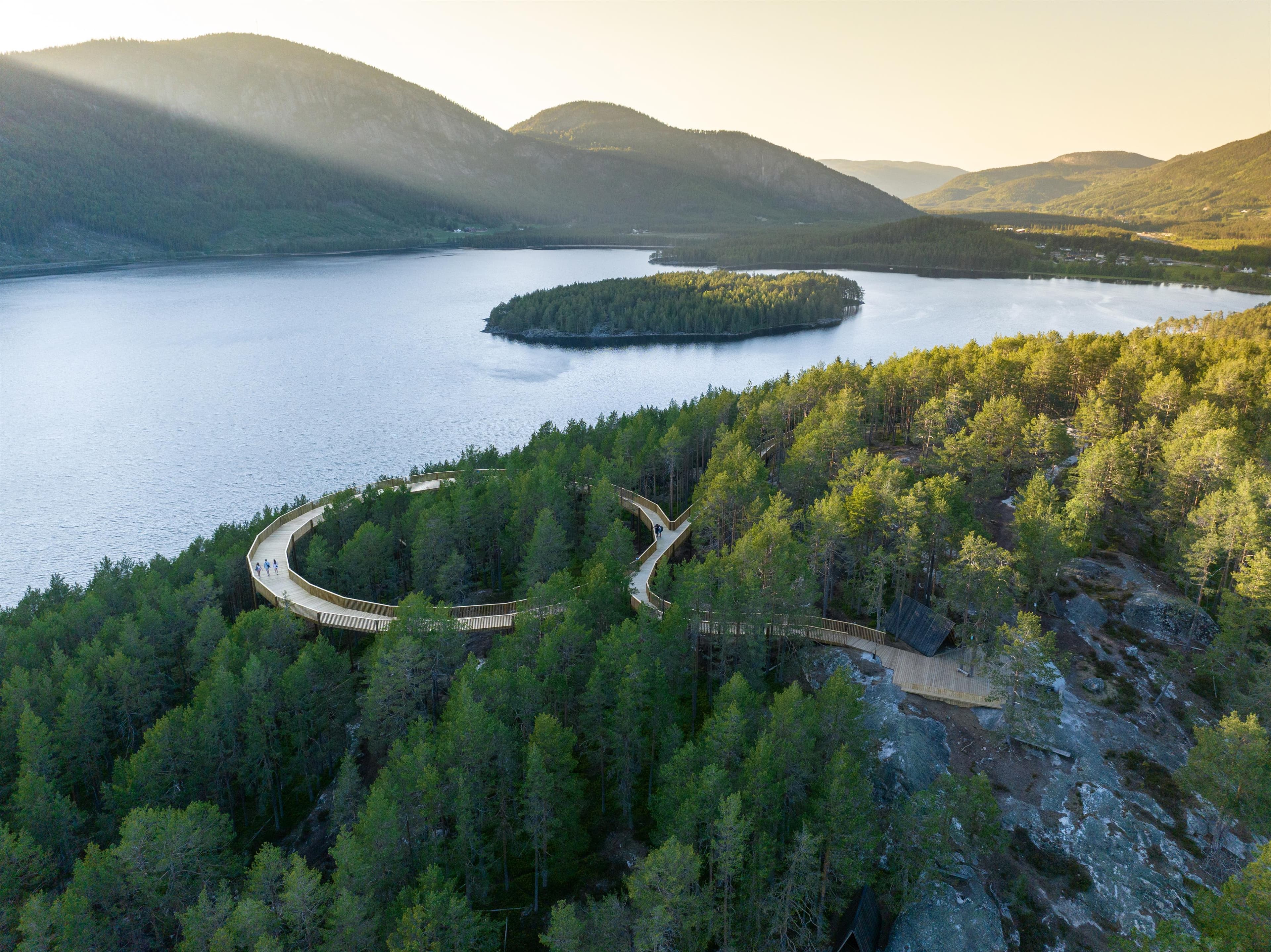
Hamaren
3870 Fyresdal
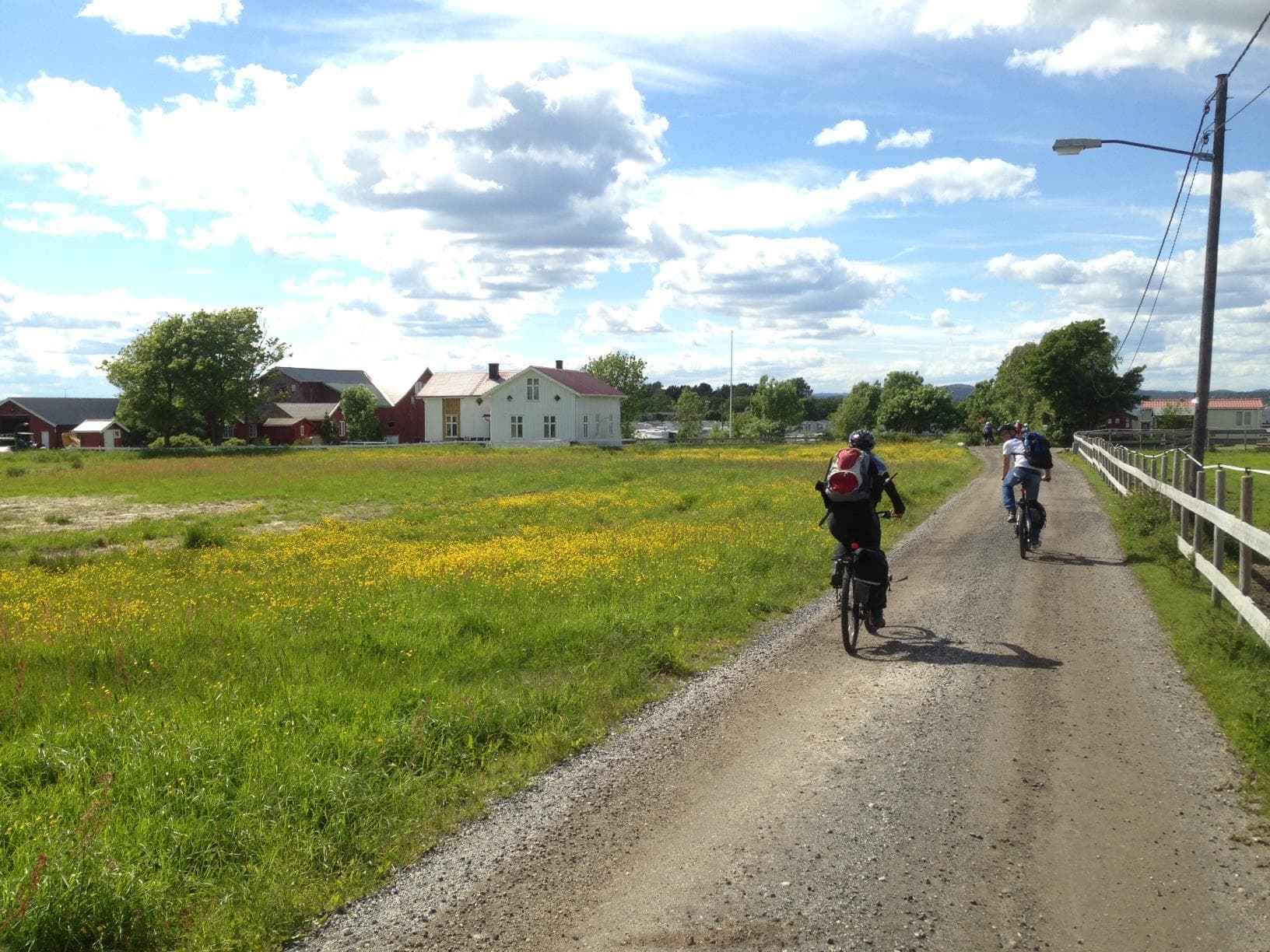
Nearby activities
Kapitelberget
Bratsberg, 3724 Skien
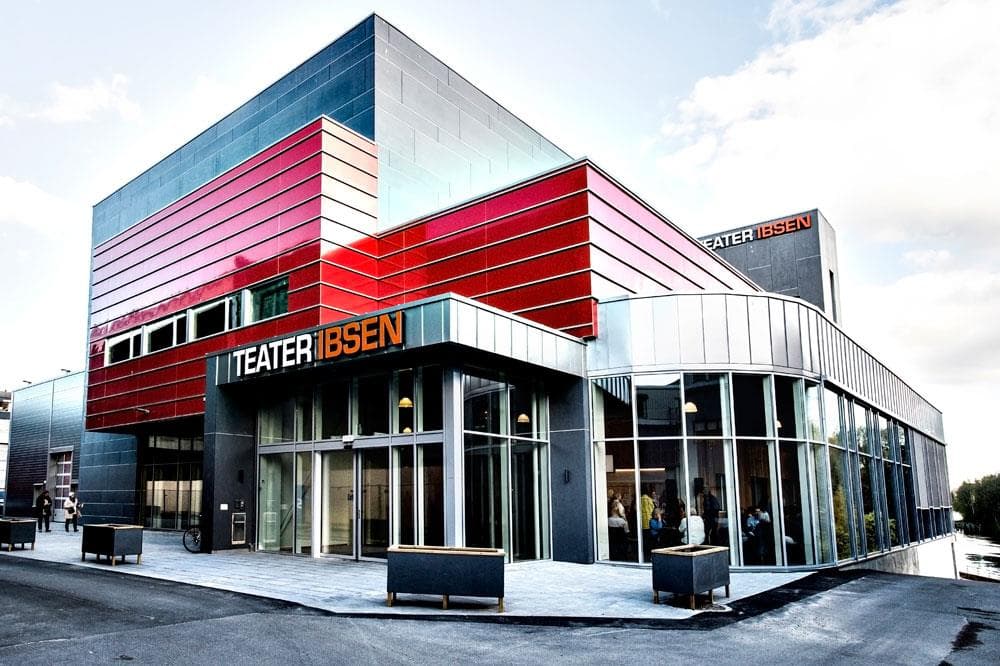
The Ibsen Theatre
Hollenderigt. 15, 3732 Skien
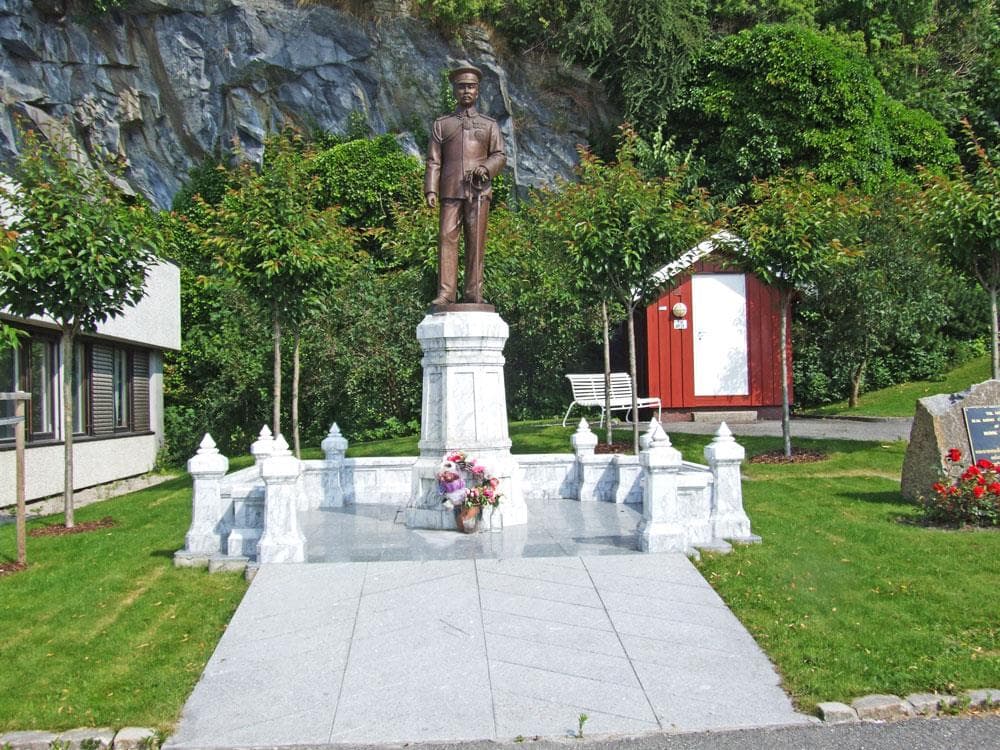
Tourist Information for Grenland
3732 Skien
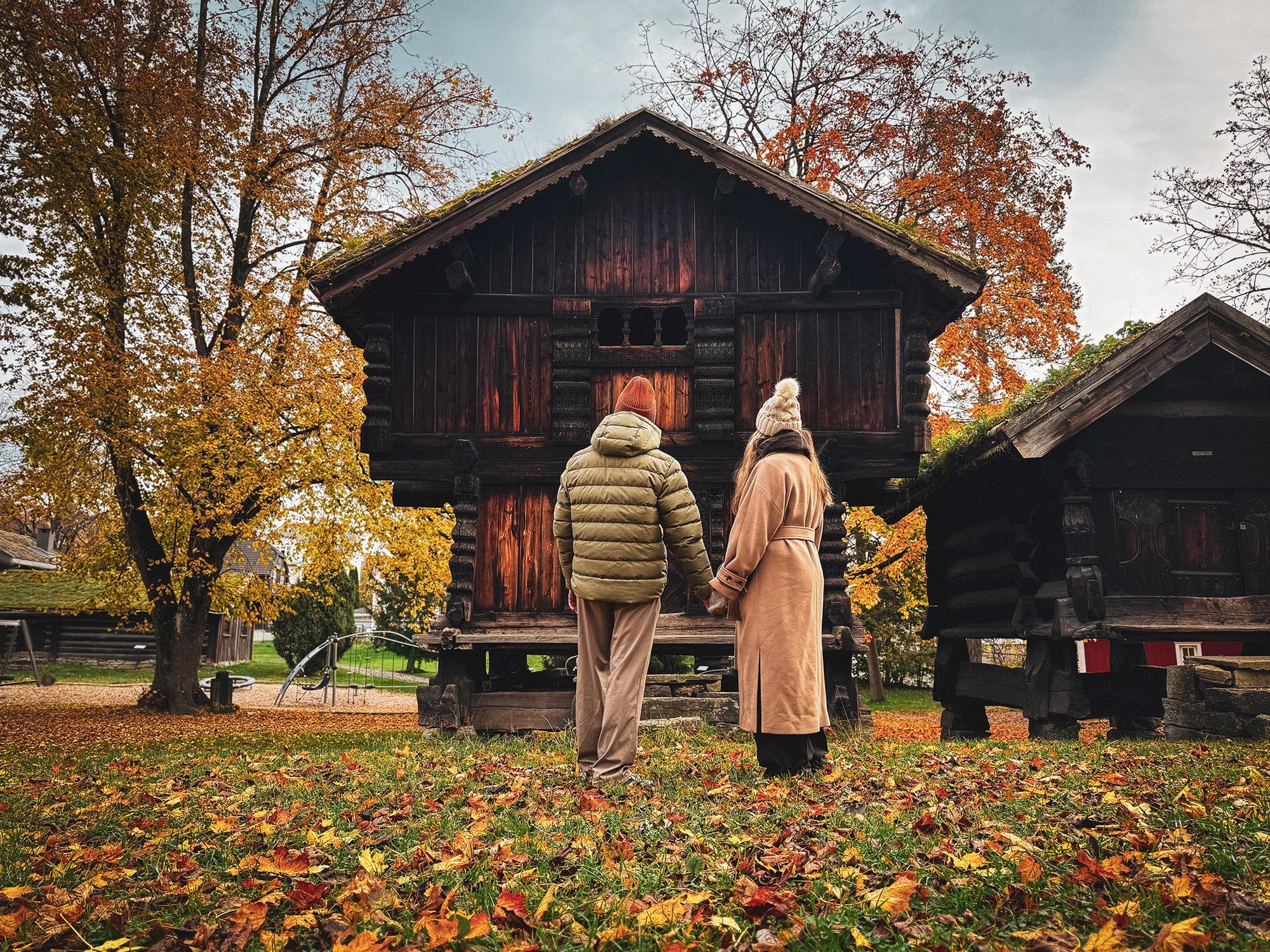
Brekkeparken in Skien
Øvregate 32, 3715 Skien
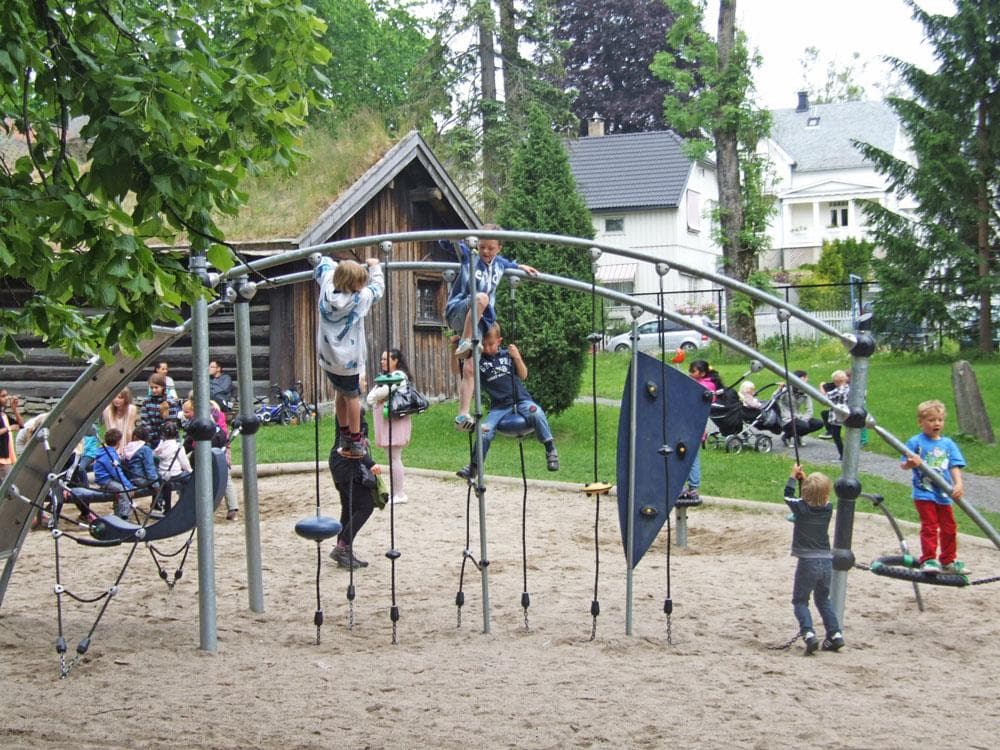
The playground in Brekkeparken
Øvregt. 41, 3715 Skien
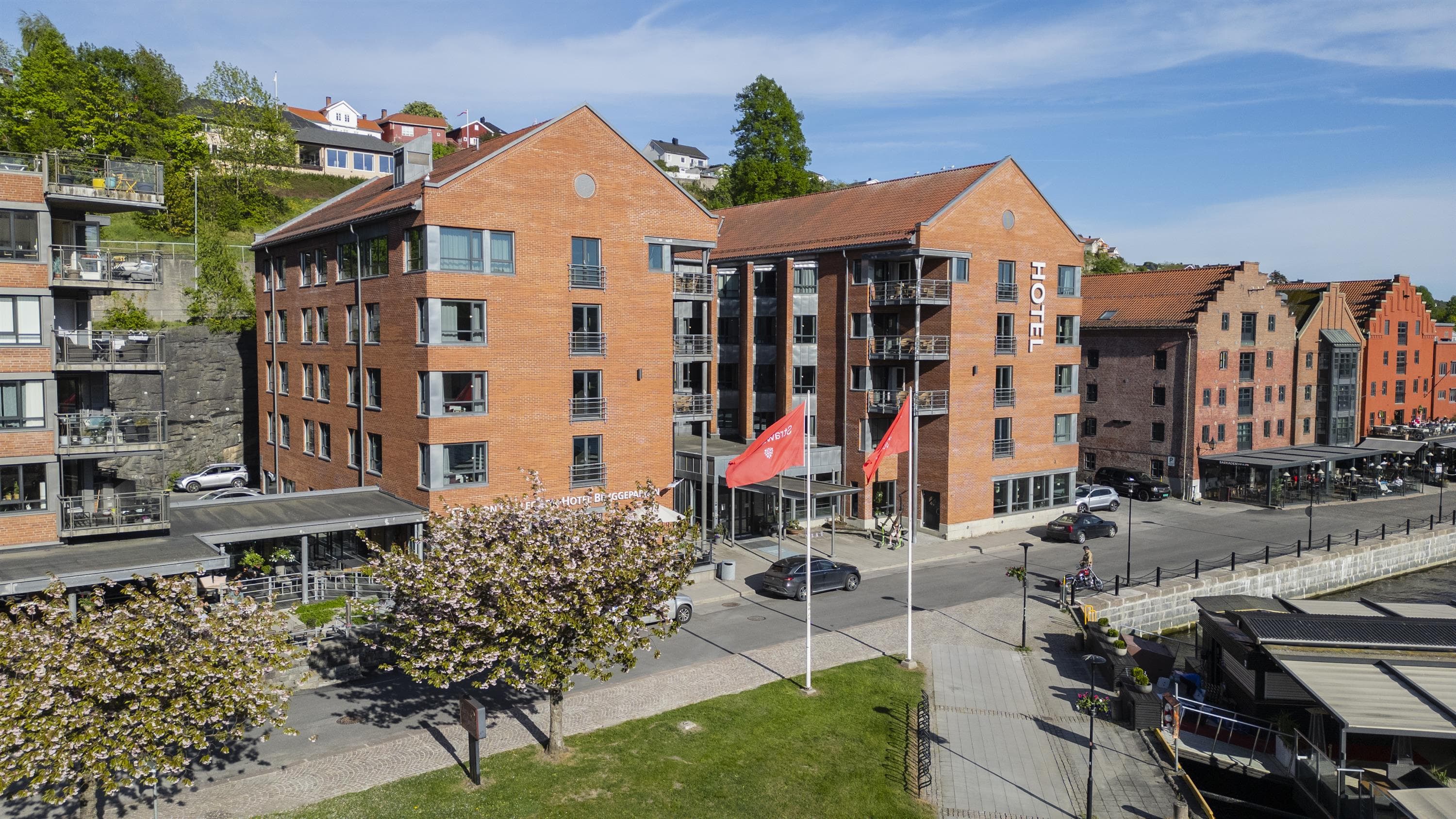
Home Hotel Bryggeparken
Langbryggene 7, 3724 Skien
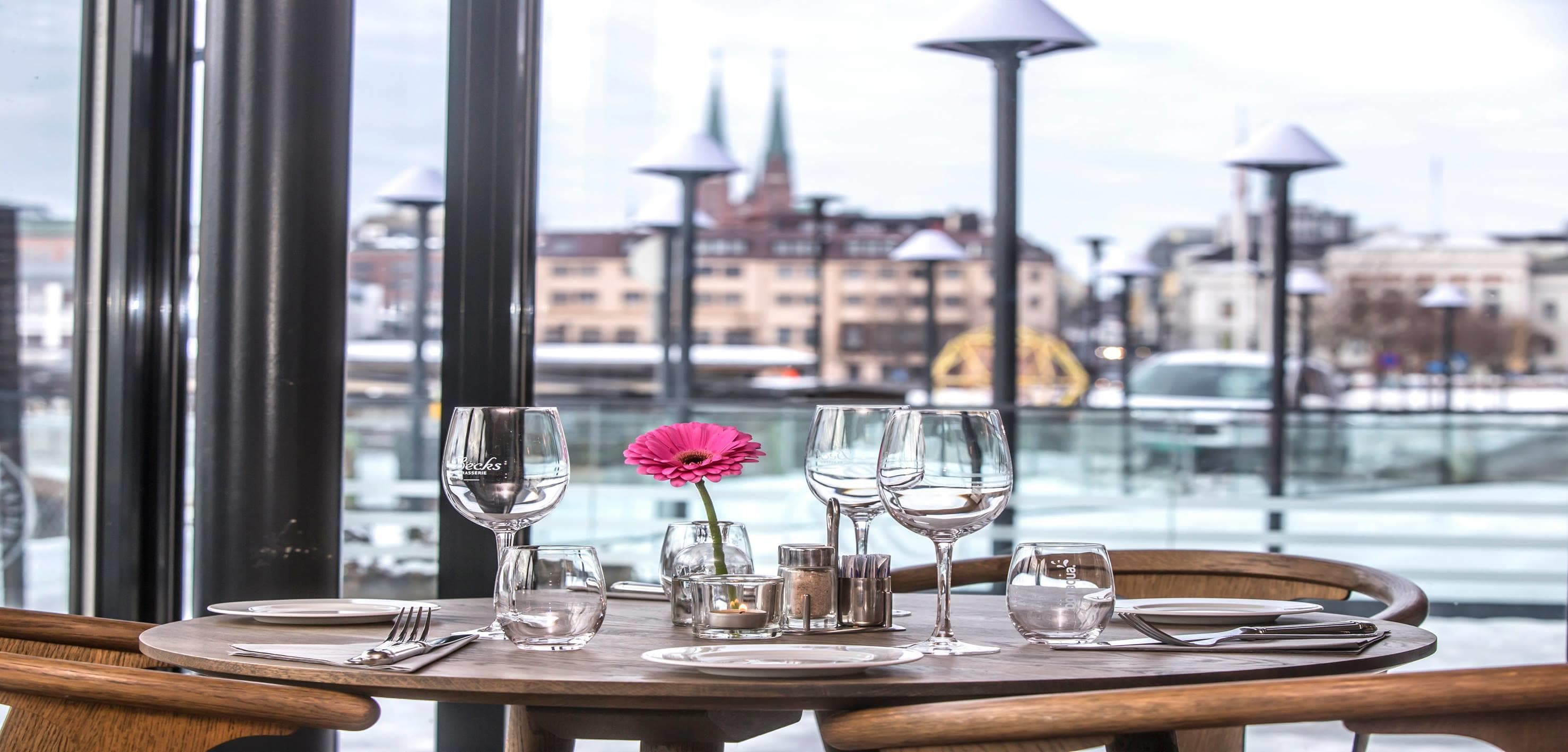
Becks Brasserie Skien
Langbryggene 6, 3724 Skien
In the Footsteps of Ibsen in Skien
Øvregate 32a, 3715 Skien
One-Day Ticket: Brekkeparken – Telemark Museum
Telemark museum, Øvregate 32a, 3715 Skien
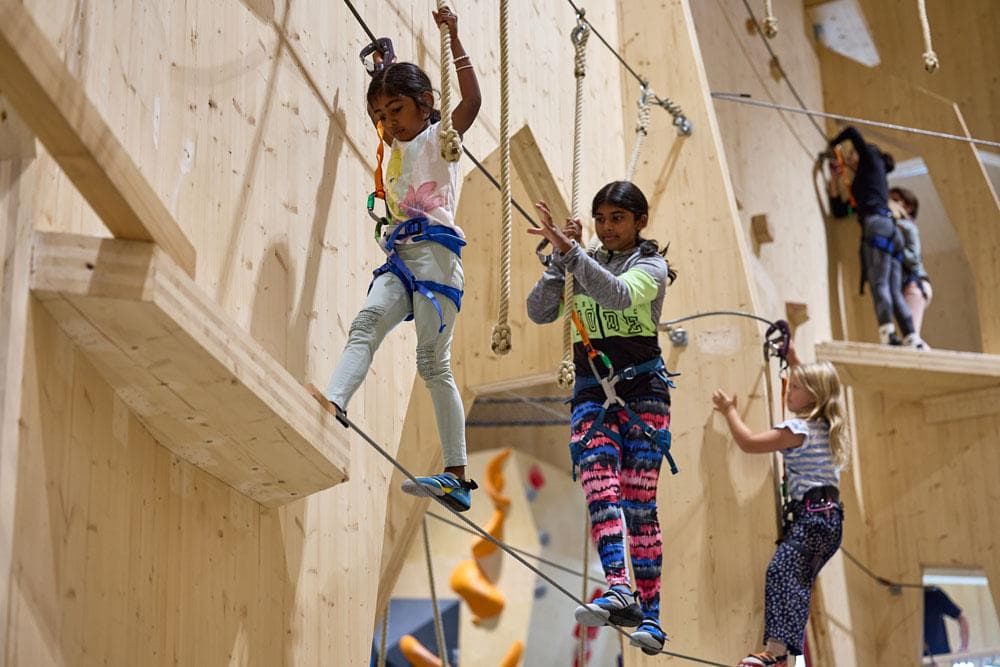
Høyt Under Taket Skien
Uniongata 10, 3732 Skien
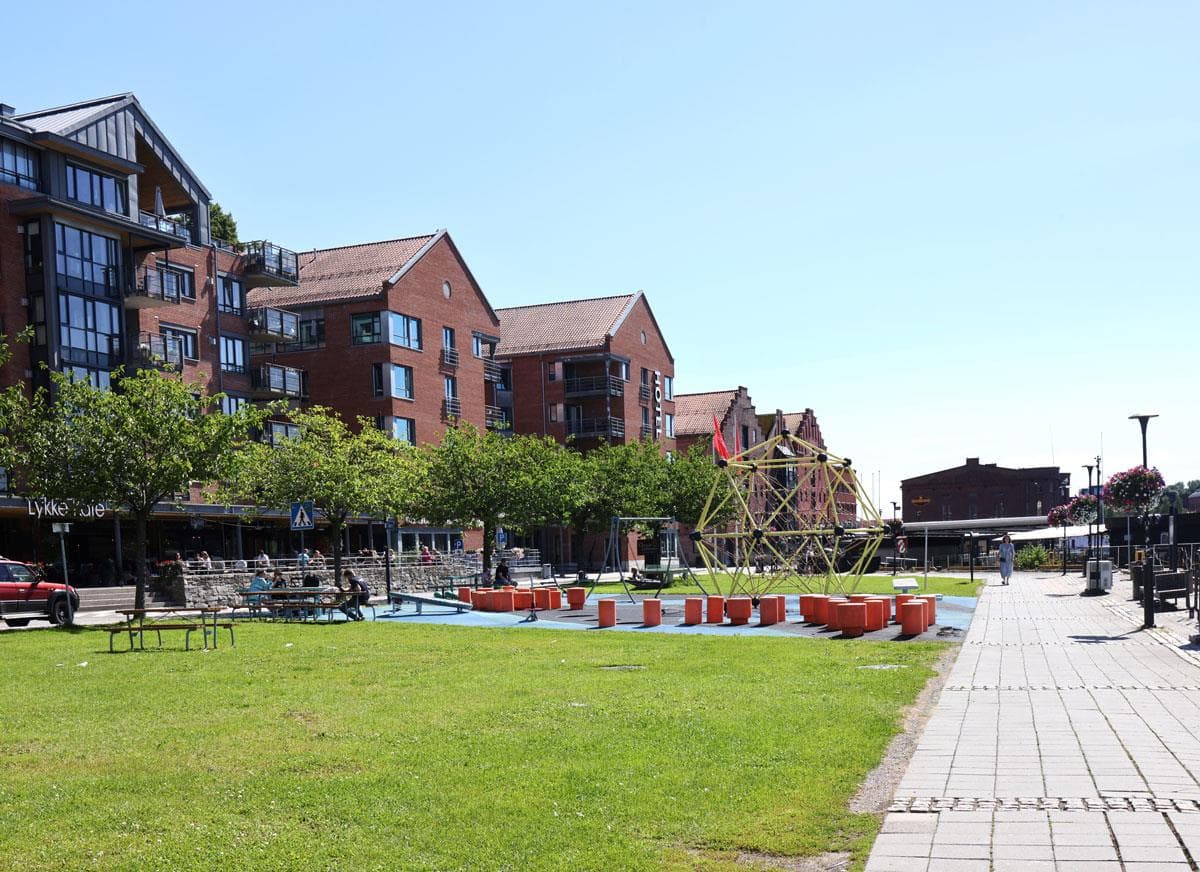
Lykke Café
Langbrygga 8, 3724 Skien
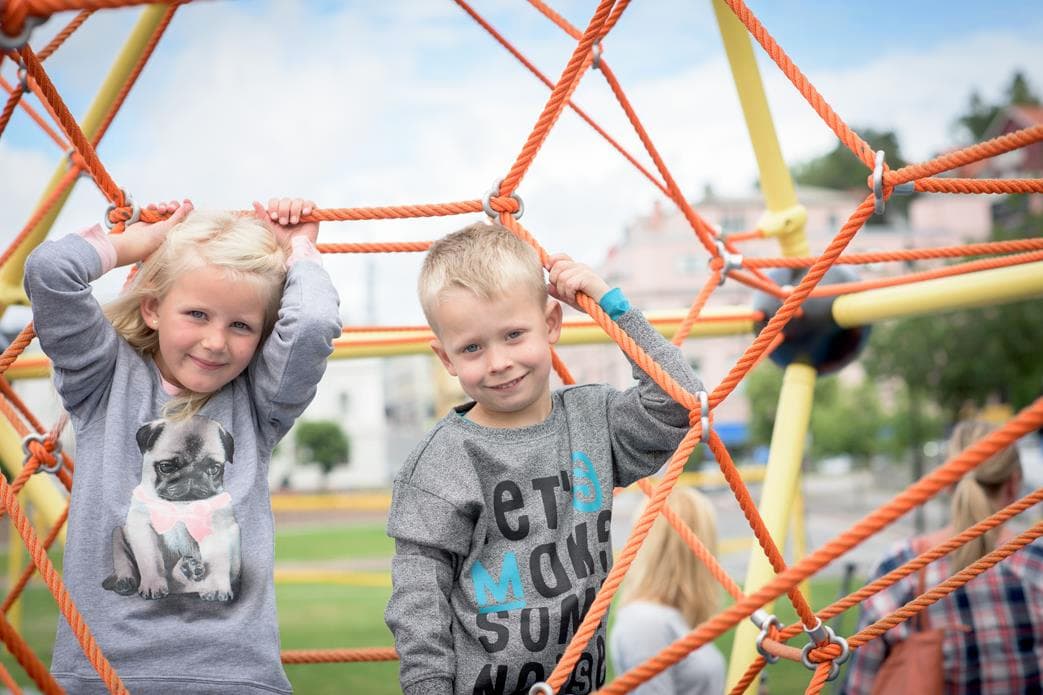
Playground in Bryggeparken
Langbryggene, 3724 Skien
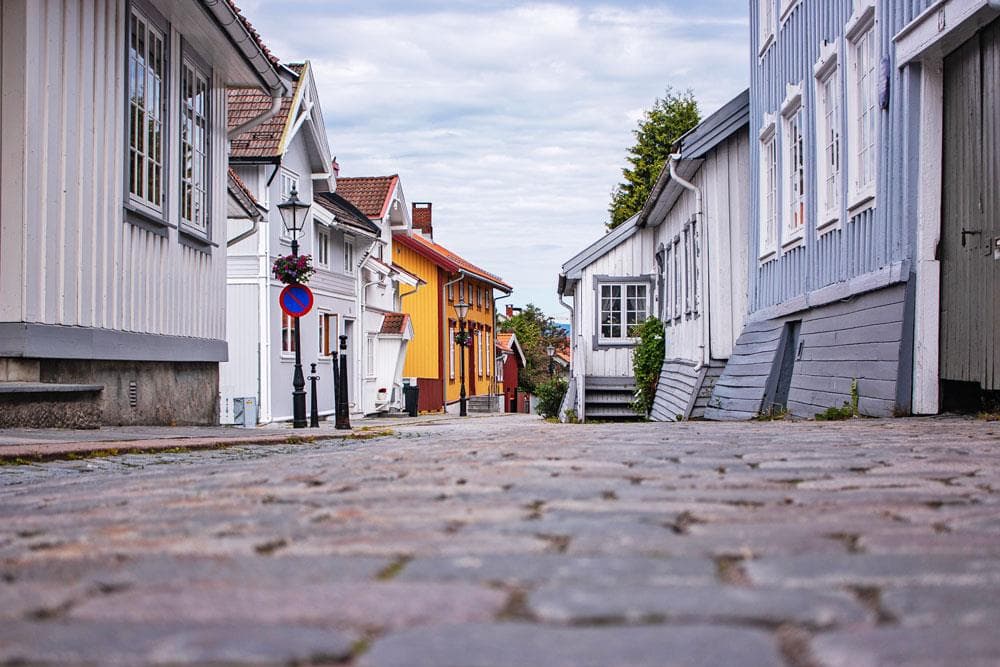
Snipetorp district
3724 Skien

Blackbird Café
Tømmerkaia 36, 3732 Skien
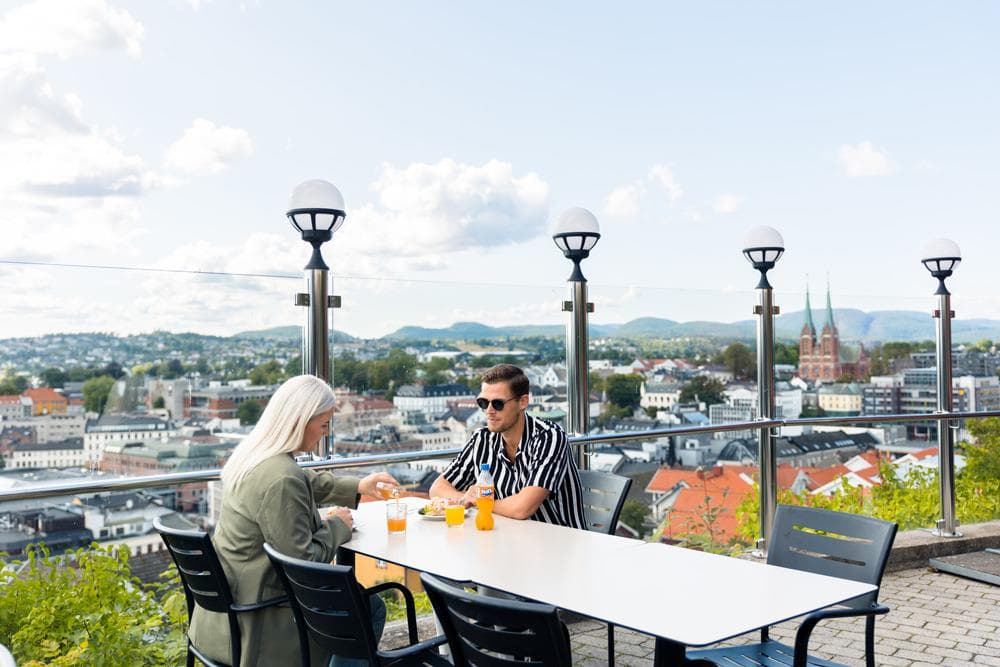
Brekkeparken Kafé
Øvregt 41, 3715 Skien
No æ det joli au - Blackbird

Afternoon Tea with Tove Taalesen
Thon Hotel Høyers
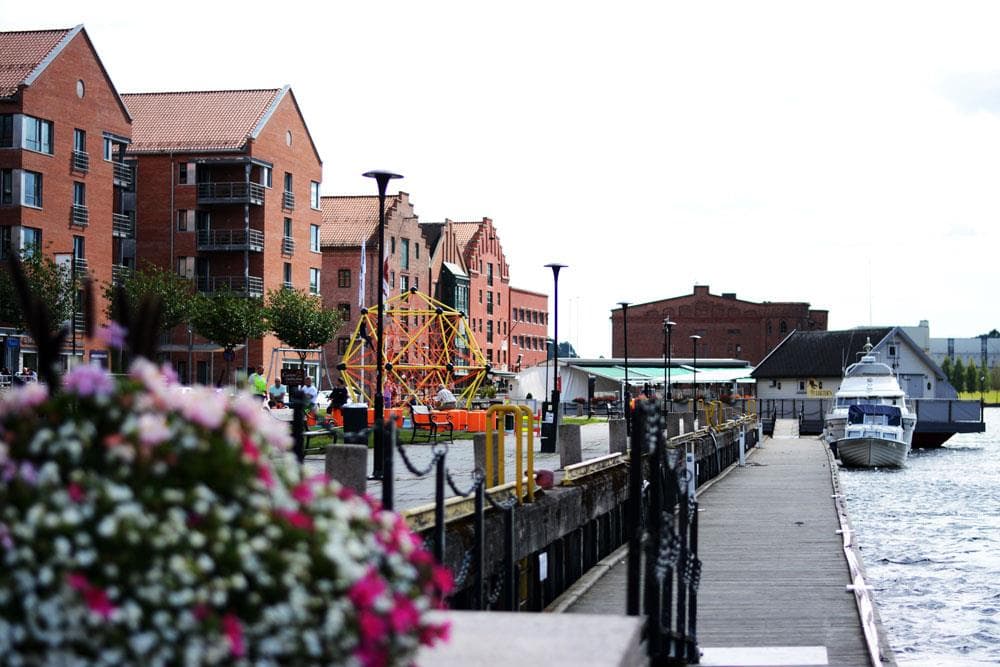
Langbryggene guestharbor, Skien
3724 Skien