Looking for a destination that combines rich history, spectacular nature and contemporary culture? Telemark has a rich cultural heritage waiting to be explored. Follow in the footsteps of Henrik Ibsen, discover UNESCO-listed industrial heritage, visit medieval stave churches and taste award-winning local food.
Here, history comes to life through places, traditions and stories that have shaped Telemark for generations.
Rjukan–Notodden Industrial Heritage
In Telemark, you can explore the Rjukan–Notodden Industrial Heritage Site, an area of such historical significance that it was inscribed on the UNESCO World Heritage List in 2015. Its story goes far beyond factories and machinery. It tells how Sam Eyde and Kristian Birkeland harnessed the power of water to generate electricity and helped transform Norwegian industry.
Their pioneering work with the electric arc process made it possible to extract nitrogen from the air to produce artificial fertilizer. This innovation played an important role in increasing global food production and helped lay the foundations for modern industrial development in Norway.
Vemork – hydropower and wartime history
At the heart of this industrial story is Vemork in Rjukan. When the power station was completed in 1911, it was the largest in the world. Today, you can explore its vast halls, now home to the Norwegian Industrial Workers Museum.
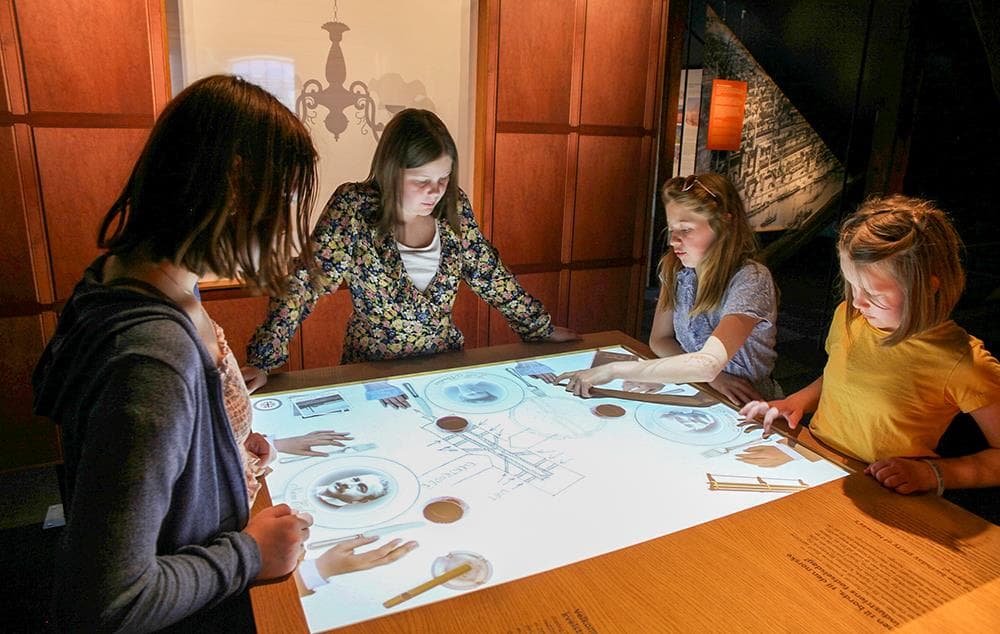
For anyone interested in history, the interactive exhibition in the Heavy Water Cellar is well worth a visit. Here, you can stand at the site of one of the most daring sabotage operations of the Second World War, where Norwegian resistance fighters carried out an operation to disrupt Nazi Germany’s heavy water production.
Notodden – where the industrial story began
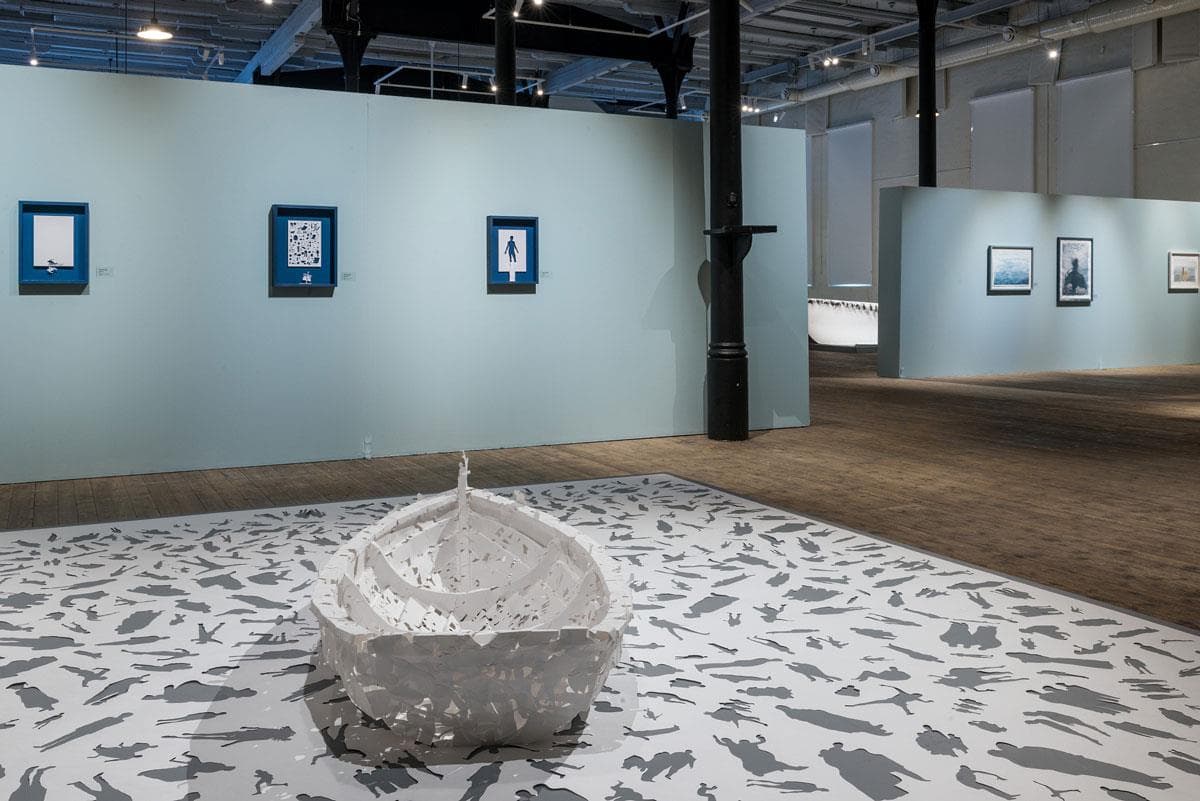
Continue to Notodden and the historic Hydroparken, where you can visit the Notodden World Heritage Center and Telemark Art Museum. Inside the cathedral-like industrial buildings, history and contemporary culture come together in a distinctive setting.
Discover works from the golden age of Norwegian art alongside contemporary exhibitions, and explore the connection between industrial innovation, engineering and creativity.
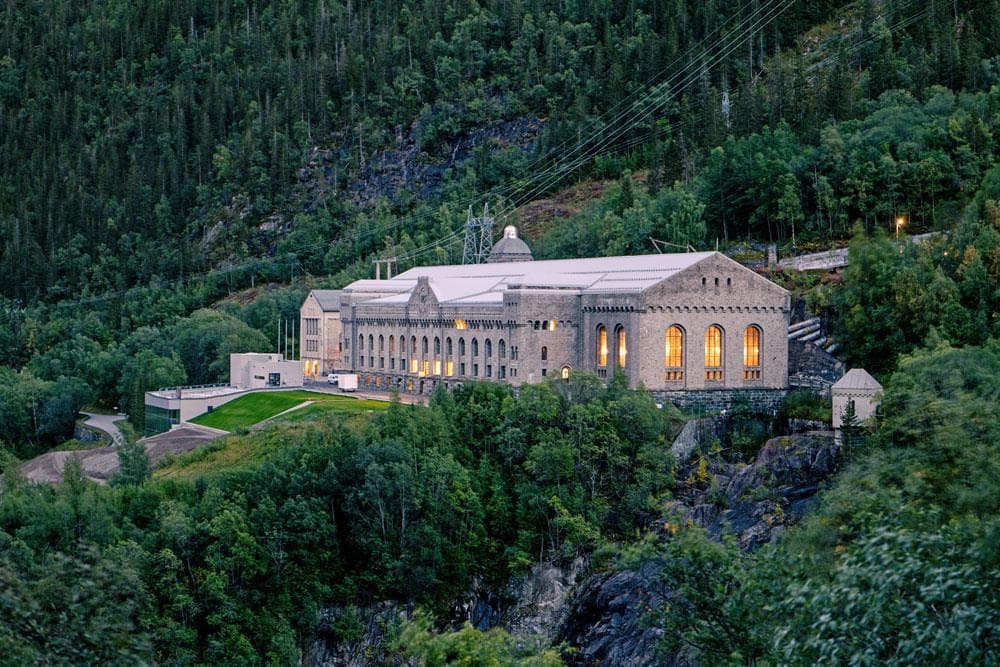
Norwegian Industrial Workers Museum - Vemork
Vemork, 3660 Rjukan
In the footsteps of Henrik Ibsen – from Skien to the world stage
Did you know that Henrik Ibsen, one of the world’s most performed playwrights after Shakespeare, was born in Telemark? Often described as the father of modern drama, Ibsen was born in Skien in 1828.
His journey from a privileged childhood at Stockmannsgården to his family’s dramatic financial decline left a lasting mark on his writing. Today, Skien offers many ways to discover the man behind world-famous works such as A Doll’s House and Peer Gynt.

Discover Ibsen’s childhood city of Skien
Ibsen’s childhood home at Venstøp – said to have inspired the mysterious attic in The Wild Duck – is currently closed for extensive renovation ahead of the 200th anniversary of his birth in 2028. In the meantime, there are plenty of other ways to discover Ibsen’s Skien.
At Brekkeparken, you can visit the temporary Ibsenstua, where you can taste a honey cake inspired by Ibsen and begin your journey through the city’s history. Skien city center is also easy to explore on foot, with several places connected to the playwright’s life and work.
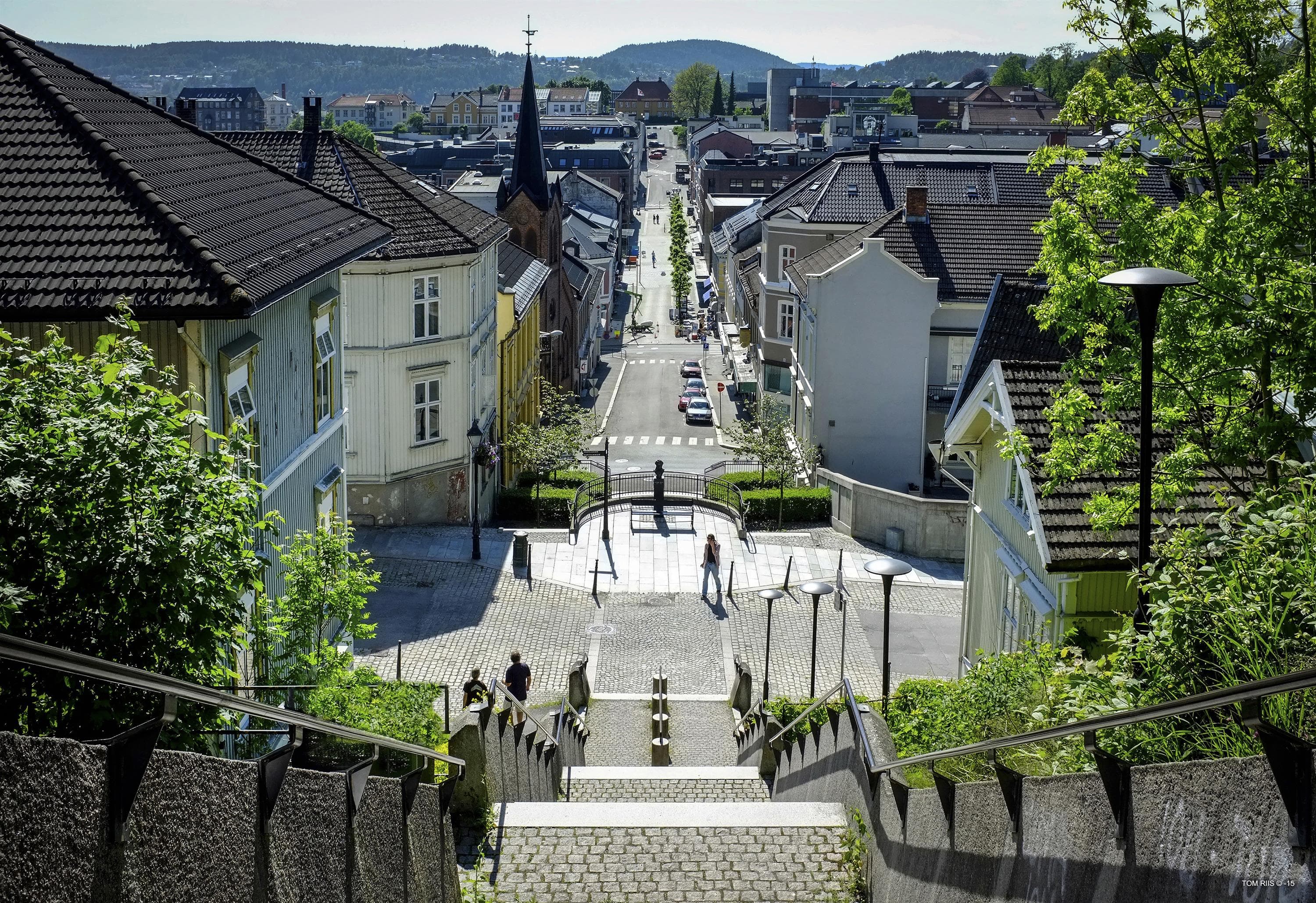
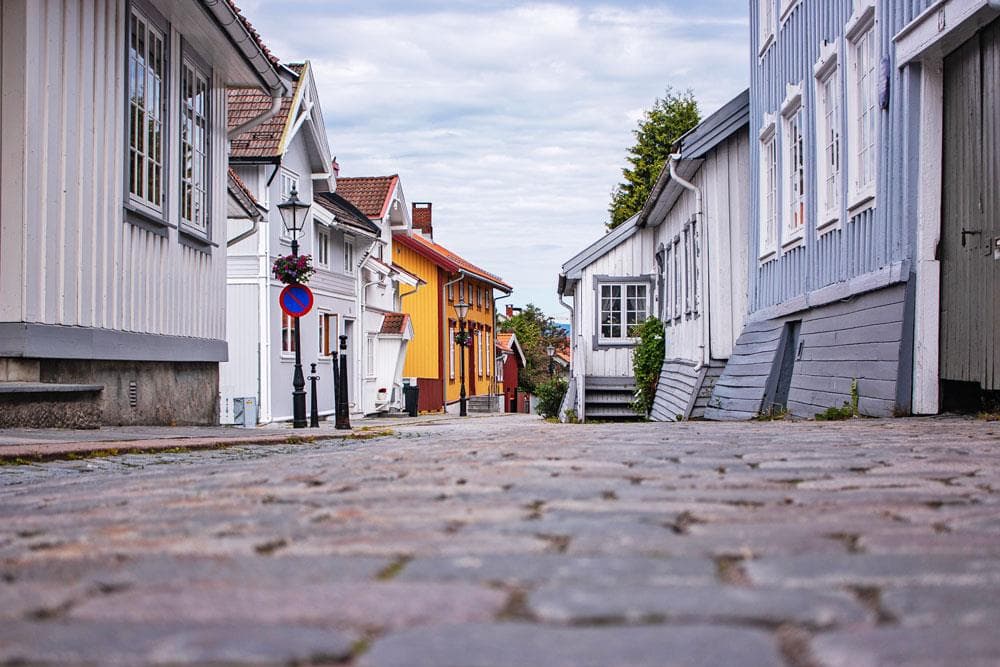
Snipetorp is Skien’s oldest neighborhood and the best-preserved part of the city from Ibsen’s time.
Climb the Ibsen Steps, where each step features a quote from Peer Gynt.
Download the GuideToGo app for an audio guide that automatically plays stories on your phone as you pass 20 different Ibsen-related sites around the city.
The seven-meter-high Rat-Wife sculpture at Bakkestranda is also a popular stop for families.
Henrik Ibsen’s legacy continues through Teater Ibsen and Ibsenhuset, where his works are brought to new audiences through contemporary interpretations and performances in his hometown.
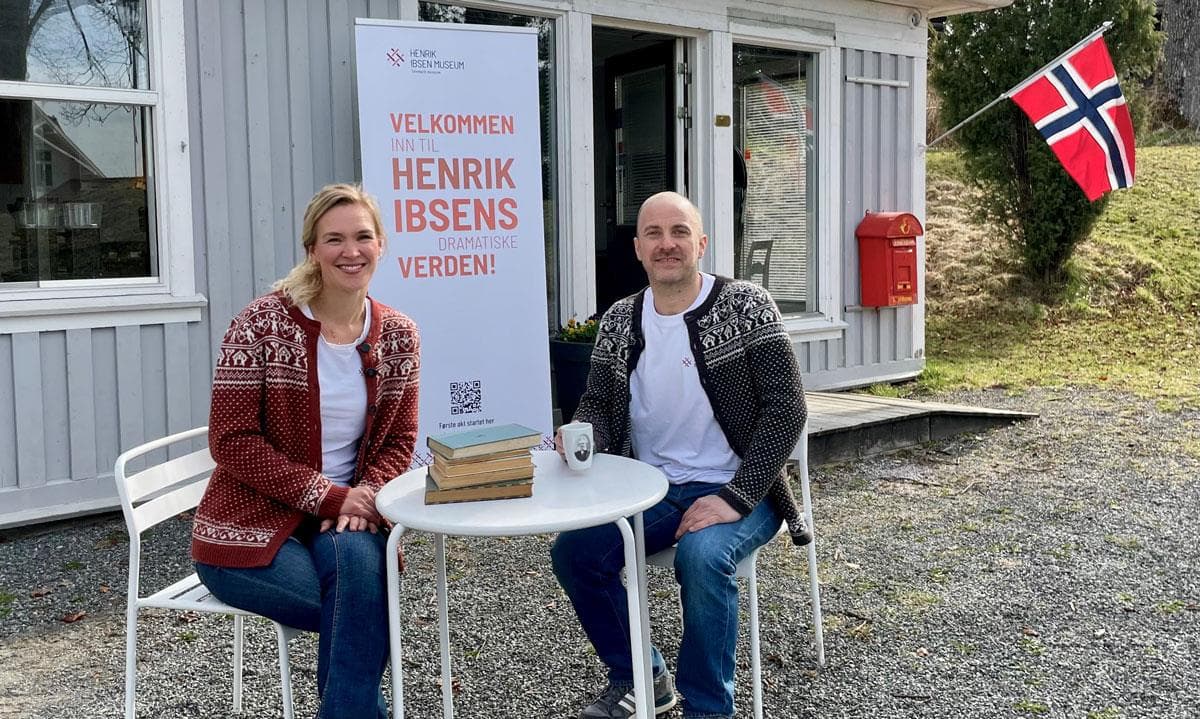
Ibsenstua i Brekkeparken
Øvregate 32, 3715 Skien
Architectural heritage in Telemark – stave churches and open-air museums
Telemark is home to some of Norway’s finest examples of medieval architecture and traditional craftsmanship. Its stave churches offer a unique glimpse into a period of change in Norwegian history, while historic open-air museums bring local traditions, architecture and everyday life from earlier times closer to visitors.
Heddal Stave Church is Norway’s largest stave church, with three distinctive towers and intricately carved dragon heads. The church dates from the 13th century, with traditions and architectural influences reaching back to the Viking Age.
Eidsborg Stave Church is one of Norway’s oldest stave churches, beautifully situated in West Telemark. It is believed to have been built shortly before 1150. Here, you can learn about the distinctive traditions and rituals associated with the medieval figure of St Nicholas, known locally as Nikuls.
Open-air museums – bringing rural heritage to life
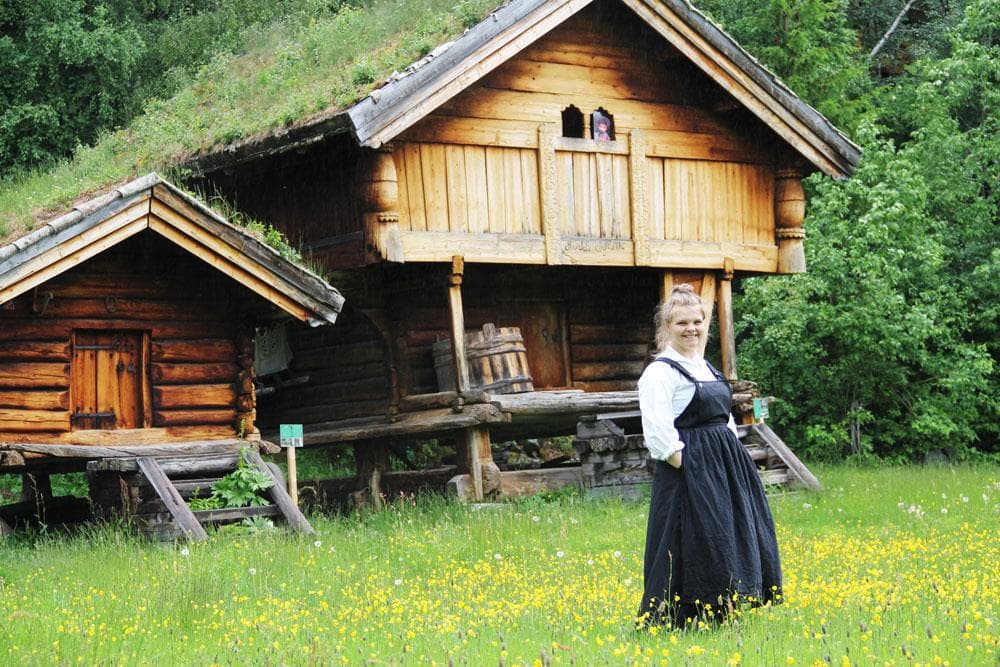
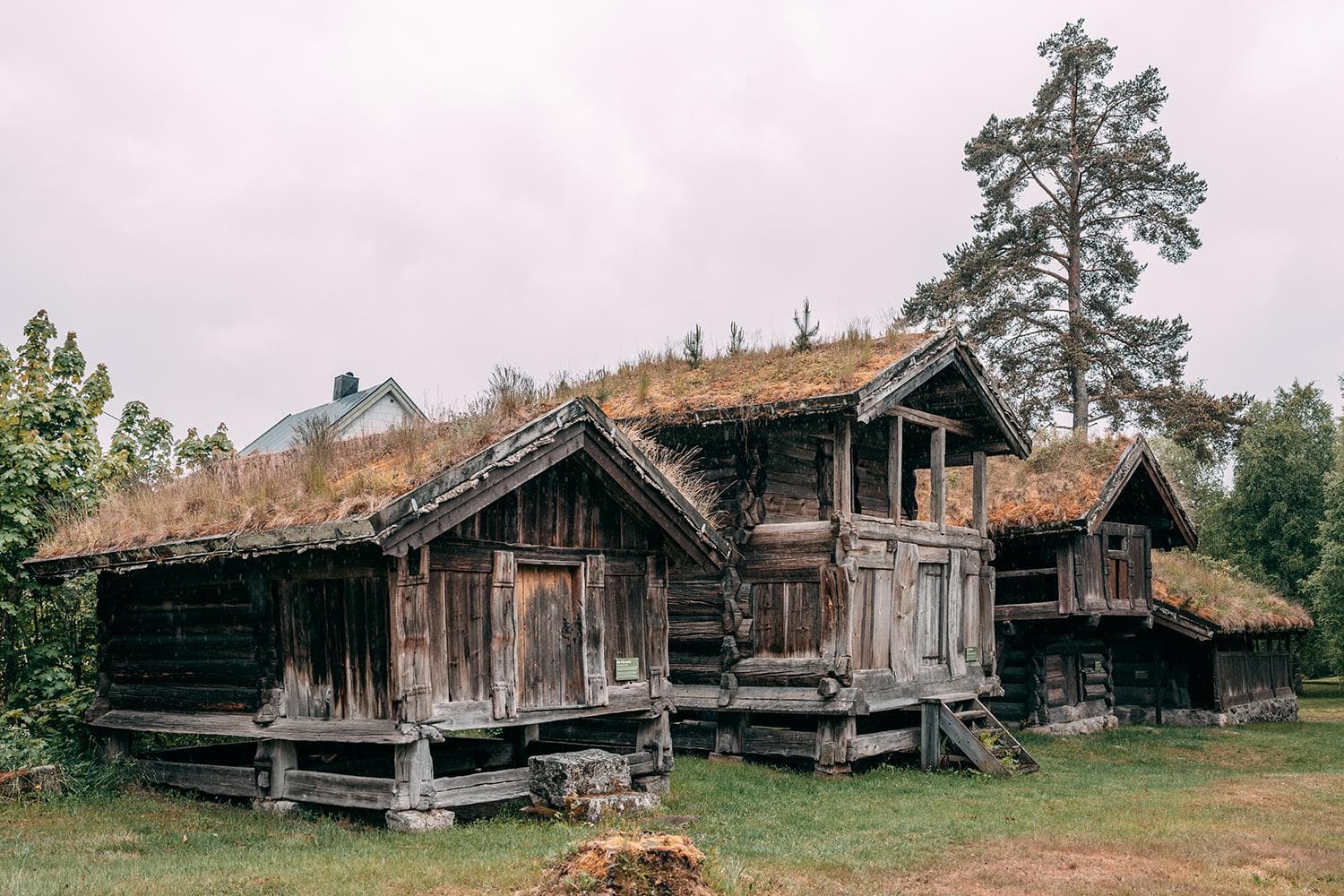
You’ll find open-air museums showcasing local history and traditions across Telemark. Visit Heddal Bygdetun to discover life on a traditional farm and colorful rose painting, or Kviteseid Bygdetun to see the historic Tveitloftet, which dates from before the Black Death.
In Drangedal, you can explore 19 historic buildings that show the contrasts between life on prosperous farms and at small tenant farms.
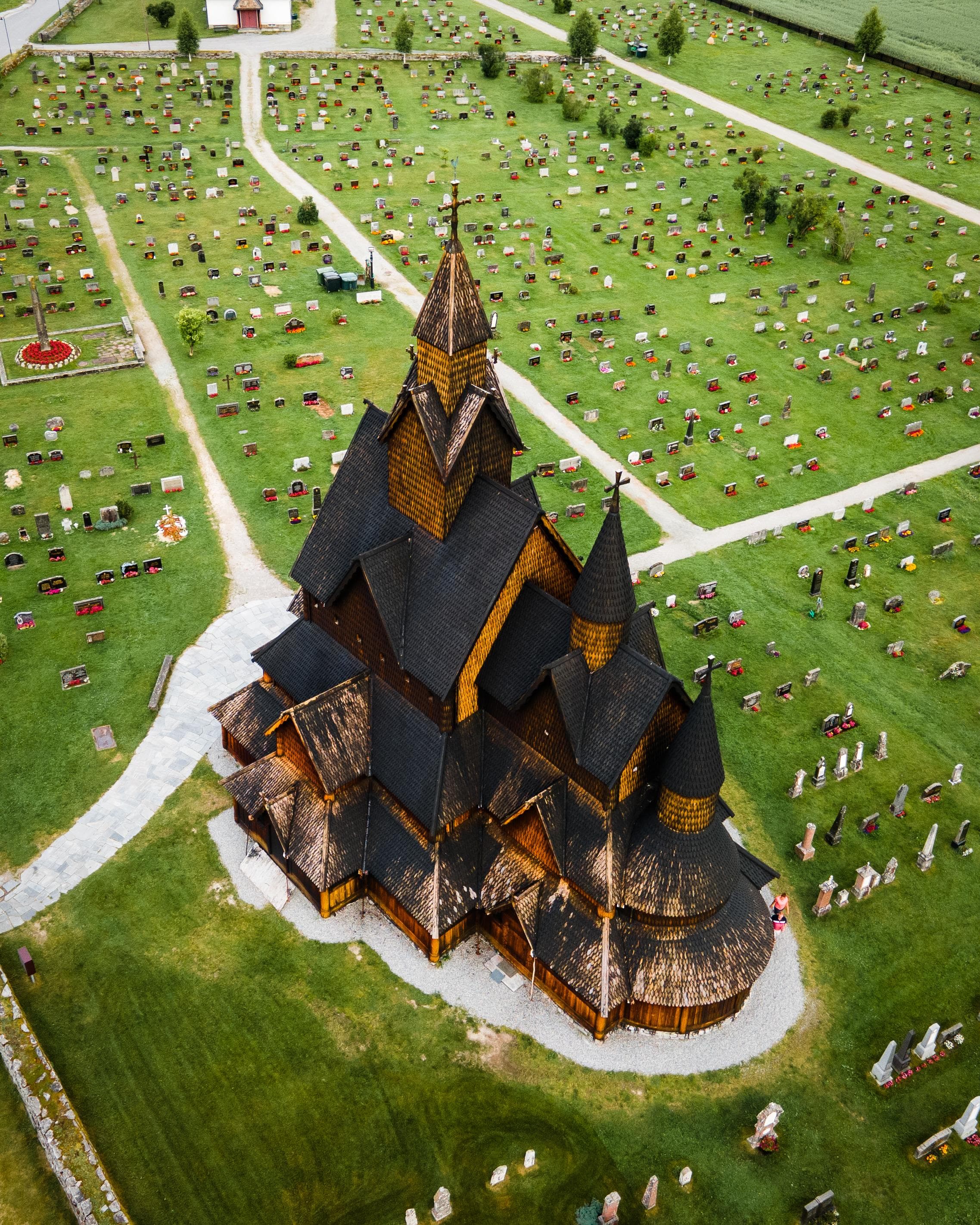
Heddal Stave Church
Heddalsvegen 412, 3676 Notodden
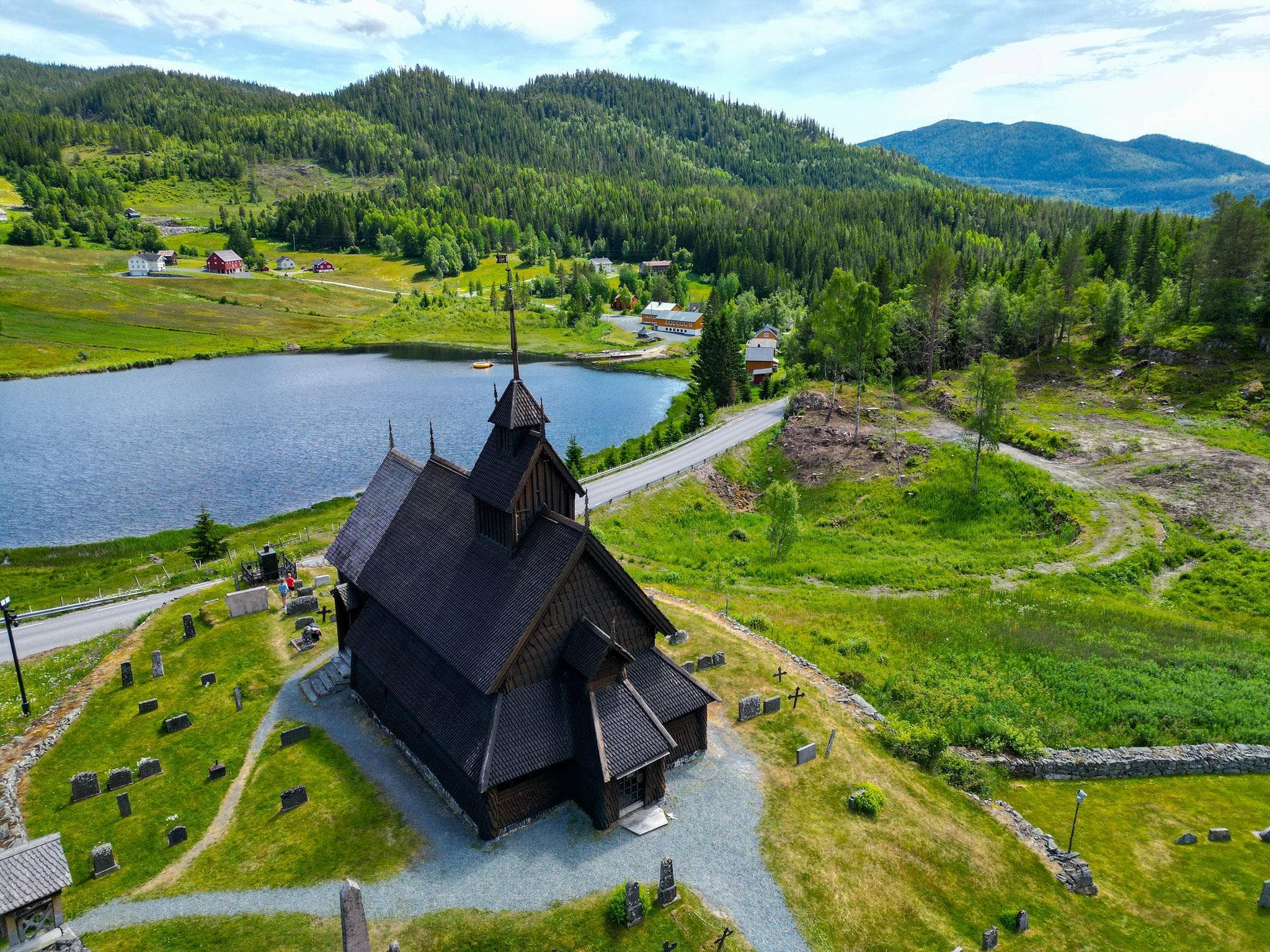
Eidsborg Stave Church
Museumsvegen 9, 3891 Høydalsmo
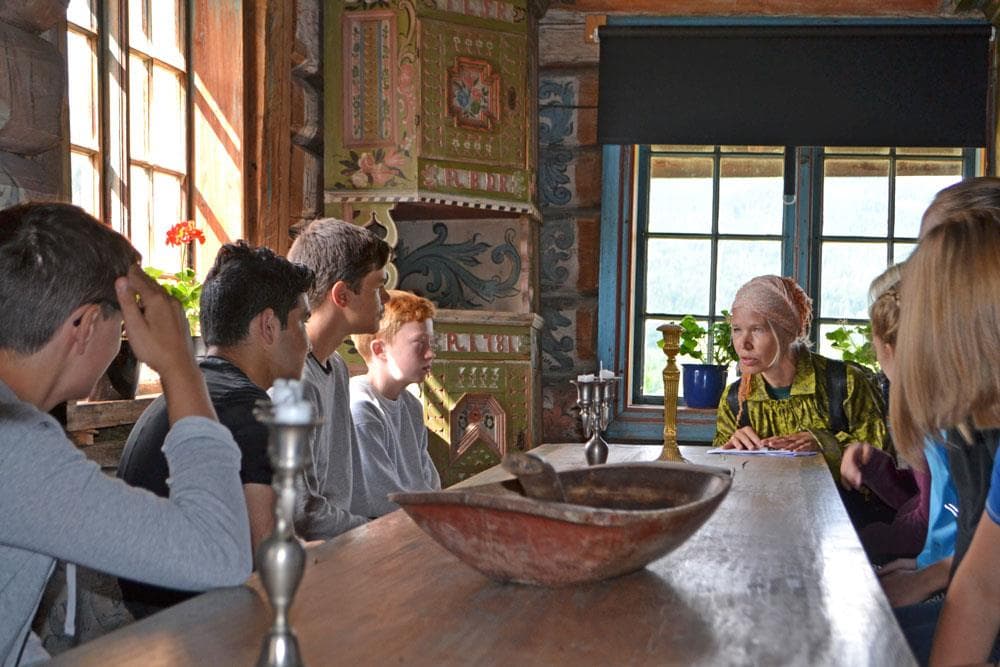
Heddal Local Museum
Heddalsvegen 385, 3676 Notodden
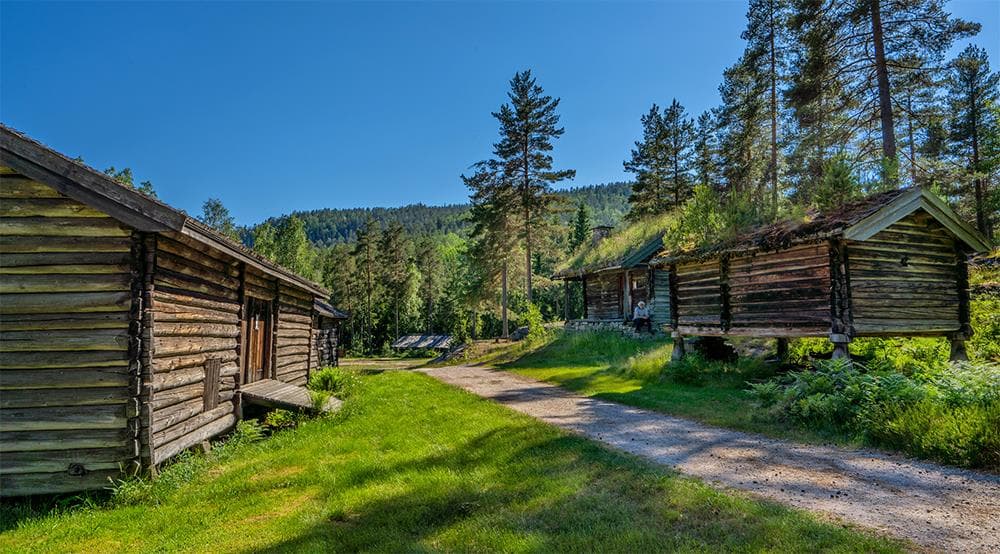
Drangedal Bygdetun
Heireksvei 4, 3750 Drangedal
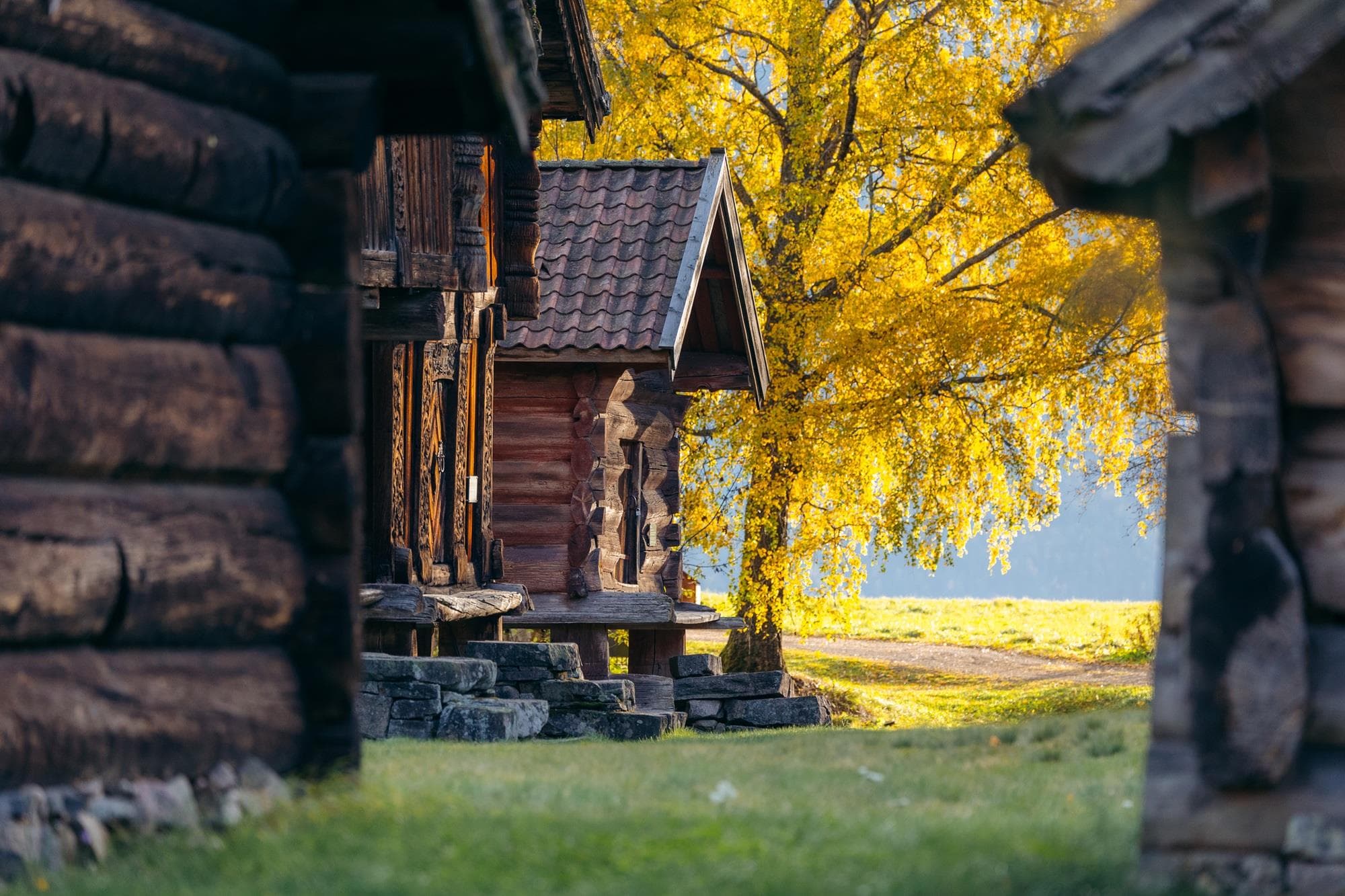
Kviteseid Local History Museum
Fjågesundvegen 12, 3850 Kviteseid
Taste of Telemark