Unique cultural experiences in Hjartdal, Sauland and Tuddal
Hardanger fiddle and walks through deep forests
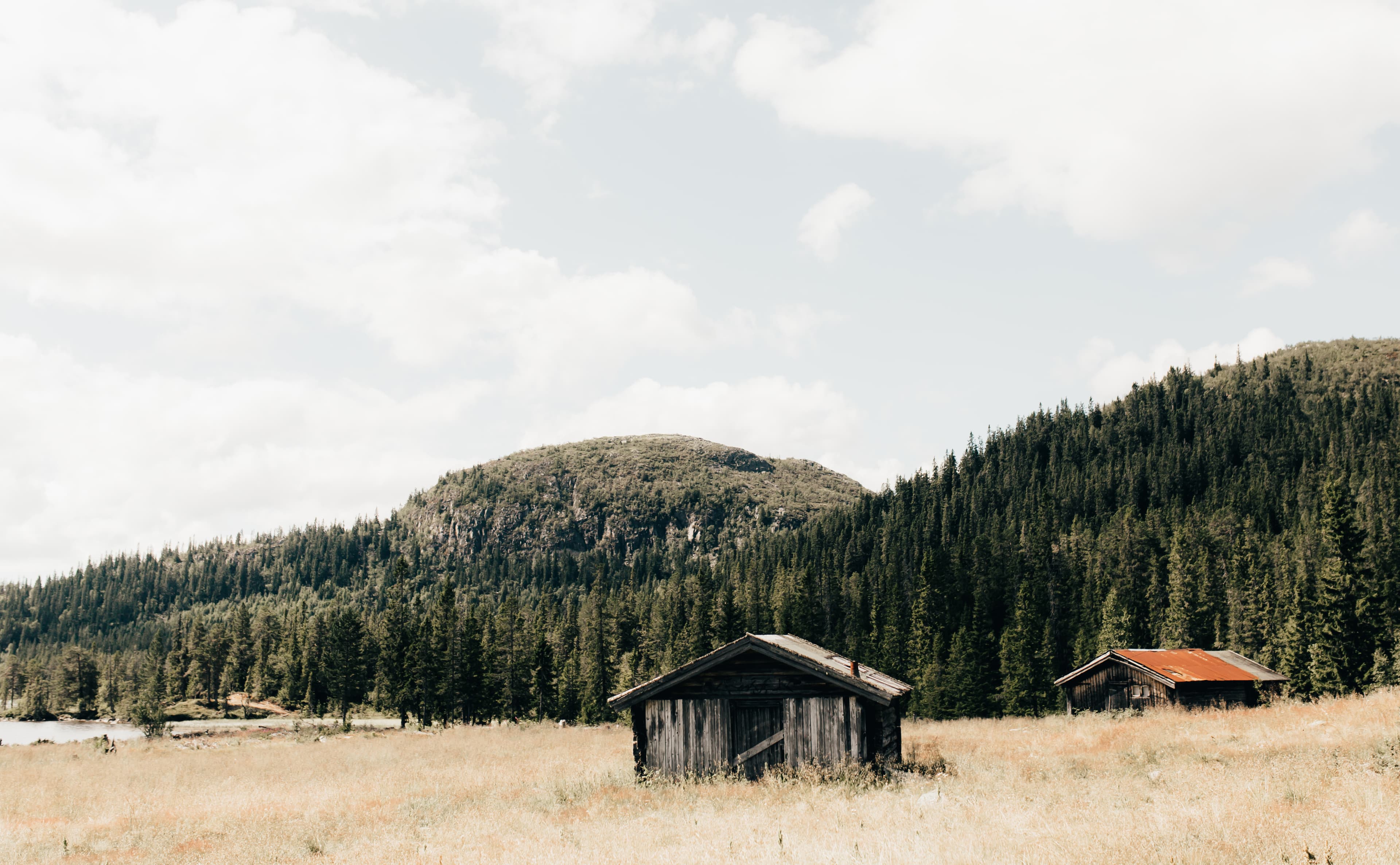
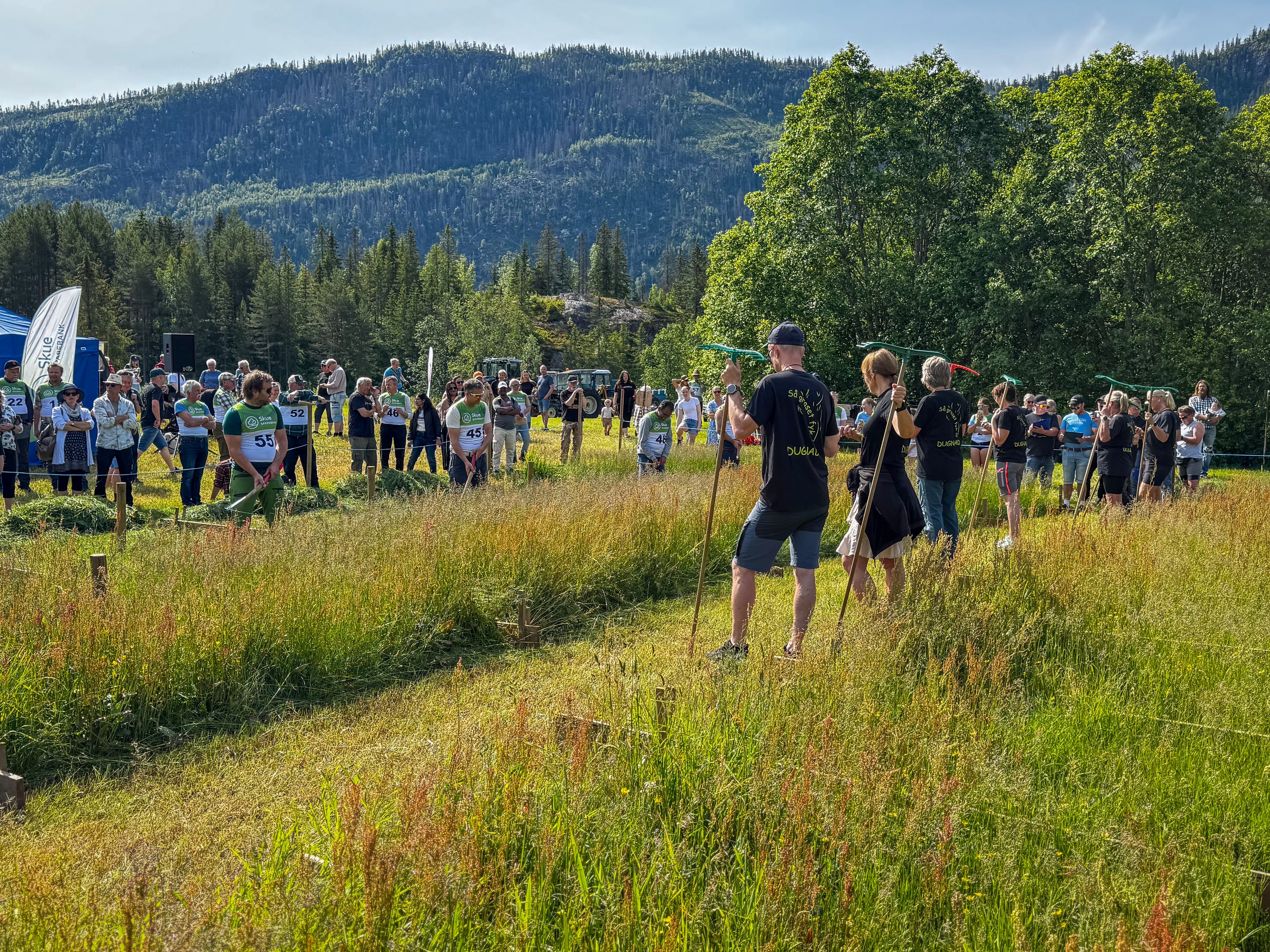
How about waking up like a Telemark farmer in the 1800s, taking part in Norway’s national scything championship or discovering traces of three historic stave churches? Slow down among old timber farm buildings dating back to the Middle Ages, listen to the distinctive sound of the Hardanger fiddle or explore the deep forests on foot.
Hjartdal, Sauland and Tuddal are rich in history and hidden cultural treasures just waiting to be discovered. Come and explore this fascinating part of Telemark – and take home memories of experiences you won’t find anywhere else.
Enjoy a culinary journey at Tuddal Høyfjellshotell
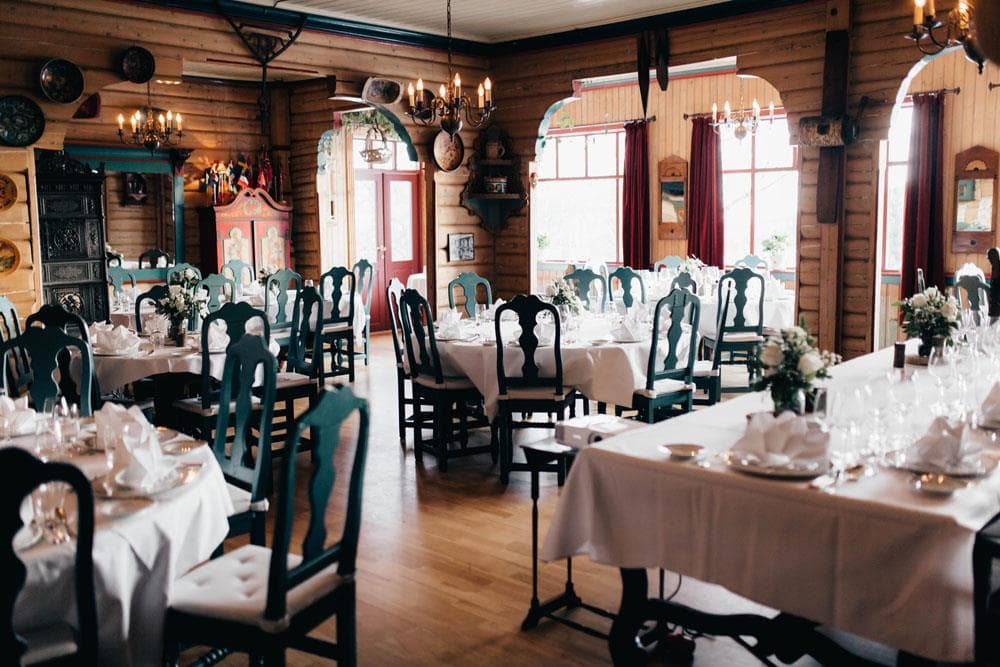
Step into the historic surroundings of Tuddal Høyfjellshotell, dating back to 1895, and discover a hotel where food is at the heart of the experience. Enjoy seasonal four-course menus paired with carefully selected wines and local beer from the hotel’s own Fjellbryggeriet brewery.
The hotel is also known for its unique take on Babette’s Feast. More than 3,000 guests have experienced a meal served just as it is described in Karen Blixen’s classic story.
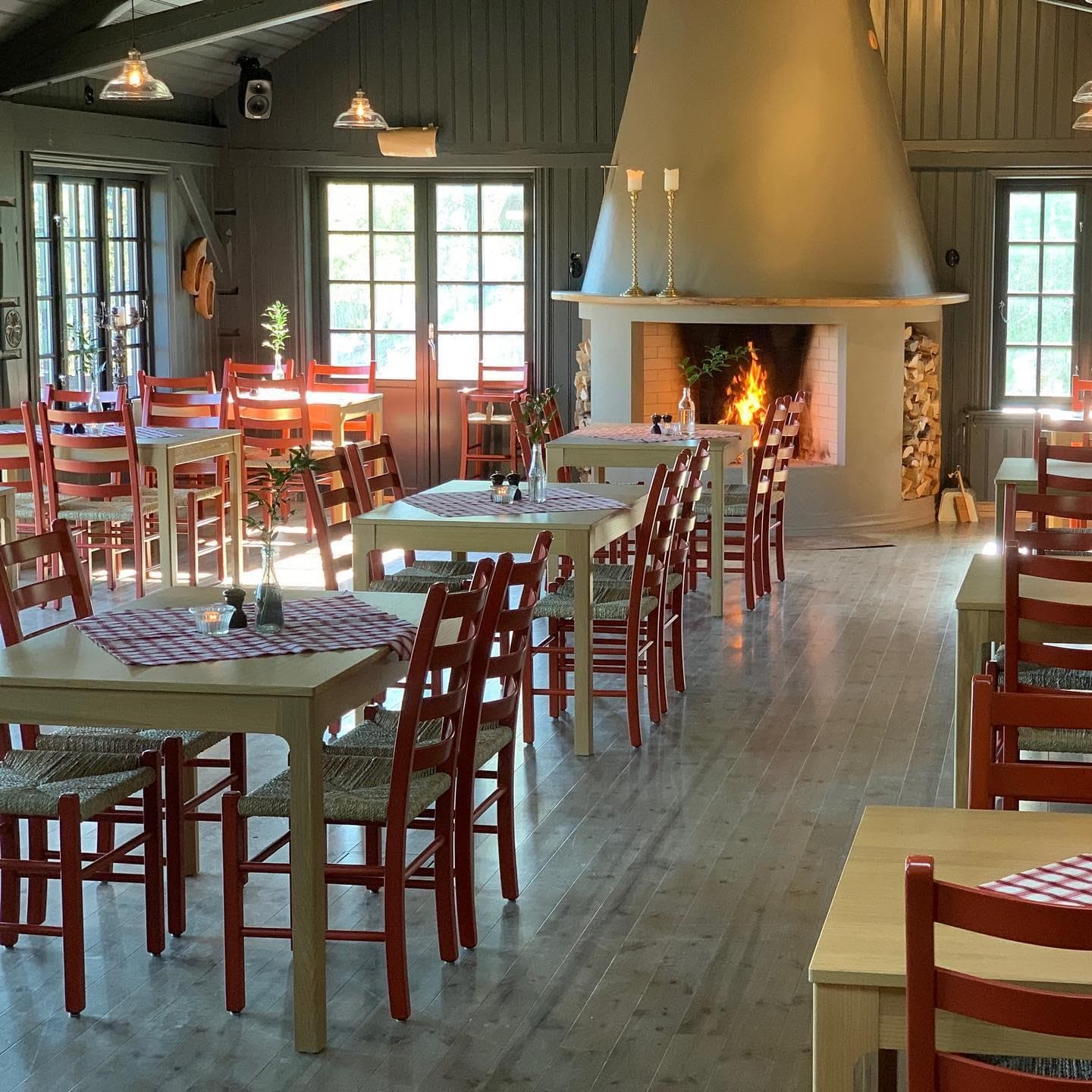
Around the idyllic hotel grounds, you can enjoy traditional Norwegian cooking in Gildehallen, join a baking course at Bakeriet and learn how to make traditional flatbread, or visit Zakkæus Landhandel to pick up homemade products and local delicacies.
Stay in historic surroundings filled with antiques, with fresh mountain air and spectacular hiking close at hand. A hike towards Gaustatoppen is the perfect way to work up an appetite before returning for a memorable dinner in the evening.
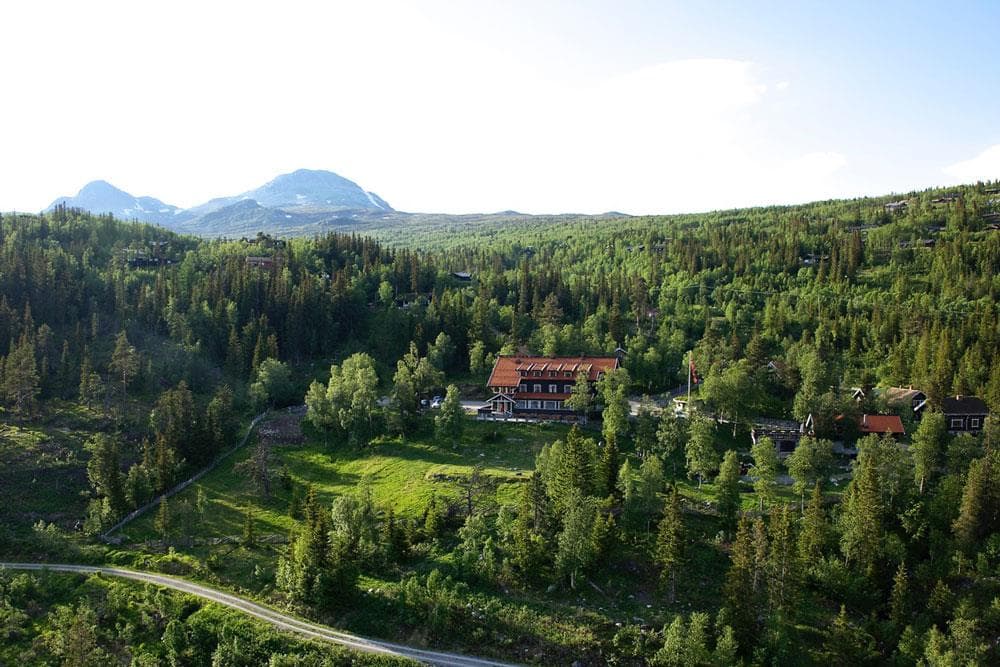
Tuddal Høyfjellshotel
Hotellvegen 100, 3697 Tuddal

Discover traditional architecture and culture at Tuddal Bygdetun
Located in the heart of the village, Tuddal Bygdetun is an open-air museum with 13 historic farm buildings that offer a glimpse into life on a typical Tuddal farm in the 18th and 19th centuries. During July, visitors can join guided tours of the historic buildings and learn more about Tuddal’s rich cultural heritage. The museum building also houses exhibitions, a small shop and toilets.
Throughout the year, Tuddal Bygdetun hosts concerts and cultural events featuring local musicians performing both traditional Norwegian folk music and contemporary music. Tuddal has produced several of Norway’s renowned folk musicians and has attracted folk musicians from across the Nordic countries for centuries.
In recent years, local musicians Toralf Sletta, Gunnulf Sletta and Knut Buen have organised the concert Kjærleik til Tuddal (Love for Tuddal), featuring folk music written about and for Tuddal.
Today, Tuddal Bygdetun is part of the Norwegian Industrial Workers Museum and the grounds can be visited throughout the year, including outside regular opening hours.
The Scything Festival in Hjartdal
Discover the history of Hjartdal’s three churches
Hjartdal is home to three churches rich in history and cultural heritage – one in each of the villages of Tuddal, Hjartdal and Sauland. All three were built within a relatively short period.
Tuddal Church
The oldest is Tuddal Church, a traditional timber church built in 1796. Before the present church was built, two stave churches are believed to have stood on the site. The first burned down in 1369, but parts of its church portal did survive and are now held at Nordiska museet in Stockholm. A new stave church was built the following year and remained here until 1796.
The Hardanger fiddle has an important place in Tuddal’s cultural heritage. Although it was once regarded by many Christians as the devil’s instrument, it is now accepted for use in the church. One of Tuddal’s most influential folk musicians, Svein Løndal (1864–1949), is commemorated with a memorial stone at his grave by Tuddal Church and a monument at Tuddal Bygdetun.
Hjartdal Church
The second oldest is Hjartdal Church, located in the heart of the village. Built in 1809, this traditional timber church has many similarities to Tuddal Church.
A stave church known as Holmskyrkja is believed to have stood here from around the 13th century, on the site where the cemetery is today. Its baptismal font has been preserved and is now at the Norwegian Museum of Cultural History in Oslo.
Hjartdal Church is also connected to a dramatic chapter in local history. A memorial stone beside the church commemorates a farmers’ uprising that took place here in 1540. Before silver was discovered at Kongsberg, deposits of silver and copper had been found near Lake Sundsbarmvatnet, between Kviteseid and Flatdal. King Christian III sent German mining specialists to the area, placing heavy demands on local farmers to provide food, transport and fuel.
When the farmers resisted, soldiers were sent from Akershus Fortress to suppress the uprising. At Bågålia, close to Hjartdal Church, the farmers eventually laid down their weapons. Five of their leaders were later beheaded on a nearby field known as Bråråker, or “the Blood Field”. A historic pillory can also be seen by Hjartdal Church, offering another reminder of the harsher realities of life in centuries past.
Sauland Church
Sauland Church is the newest of the three and was built in 1859. It replaced a 13th-century stave church believed to have been the largest of the three medieval stave churches in Hjartdal, Sauland and Tuddal. The portal from the former stave church has been preserved and is now displayed at the Museum of Cultural History in Oslo.
Adolph Tidemand’s famous 1845 painting Divine Service in a Norwegian Country Church, now in the National Museum in Oslo, offers a glimpse of what the interior of the old stave church looked like.
It is estimated that more than 1,000 stave churches once stood in medieval Norway. Today, only 28 remain, and they are regarded as some of the most important surviving examples of medieval wooden architecture in Europe.
Make Hjartdal, Sauland and Tuddal part of your journey
There are plenty of reasons to stop in Hjartdal, Sauland and Tuddal on your next journey through Telemark. Discover local food, fascinating cultural heritage and magnificent scenery, all accompanied by a warm local welcome.
Are you ready to make some new memories in Telemark?